REVIEW · ST NICHOLAS CHURCH PRAGUE
Prague: Classical Concert in St. Nicholas Church
Book on GetYourGuide →Operated by Fun in Prague · Bookable on GetYourGuide
Hard to top classical music in a Baroque church. I love the acoustics and the sheer visual drama inside St. Nicholas Church, especially with a Mozart-linked organ as part of the show. The one real catch: the seating can feel uncomfortable, so plan for hard pews.
This is a 1-hour performance with a rotating mix of orchestral, organ, chamber, and choir music, plus popular classical composers like Handel, Bach, Vivaldi, Mozart, and Dvořák. The program changes day-to-day, and the sound system of the church does the heavy lifting for you: voices and instruments carry clearly without needing to strain.
What makes it work is that you’re not just watching musicians—you’re standing inside one of Prague’s standout interiors, dominated by a ceiling fresco by J. L. Kracker and lit to draw your eye along the nave. Bring warm layers and expect smart casual rather than formal concert wear.
In This Review
- Quick reasons this Prague concert is worth your evening
- St. Nicholas Church sets the mood before the music starts
- The Mozart connection: why this organ detail matters
- What you’ll hear during the concert (and why the program changes)
- The “variety” format: orchestral, chamber, organ, choir
- Price and value: what $30 buys you in Prague
- Seating comfort: the small reality that affects your enjoyment
- Timing and logistics: how to avoid a last-minute headache
- Who this concert suits best (and who might want a different plan)
- What to bring: a simple checklist that actually helps
- Should you book Prague’s St. Nicholas classical concert?
- FAQ
- Where is the meeting point for the concert?
- How long is the concert?
- How much does it cost?
- What music might I hear?
- What is included with the ticket?
- Is there a dress code?
- Are there restrooms inside the church?
- Is the venue wheelchair accessible?
- Can unaccompanied minors attend?
- Does student pricing require a specific type of ID?
Quick reasons this Prague concert is worth your evening
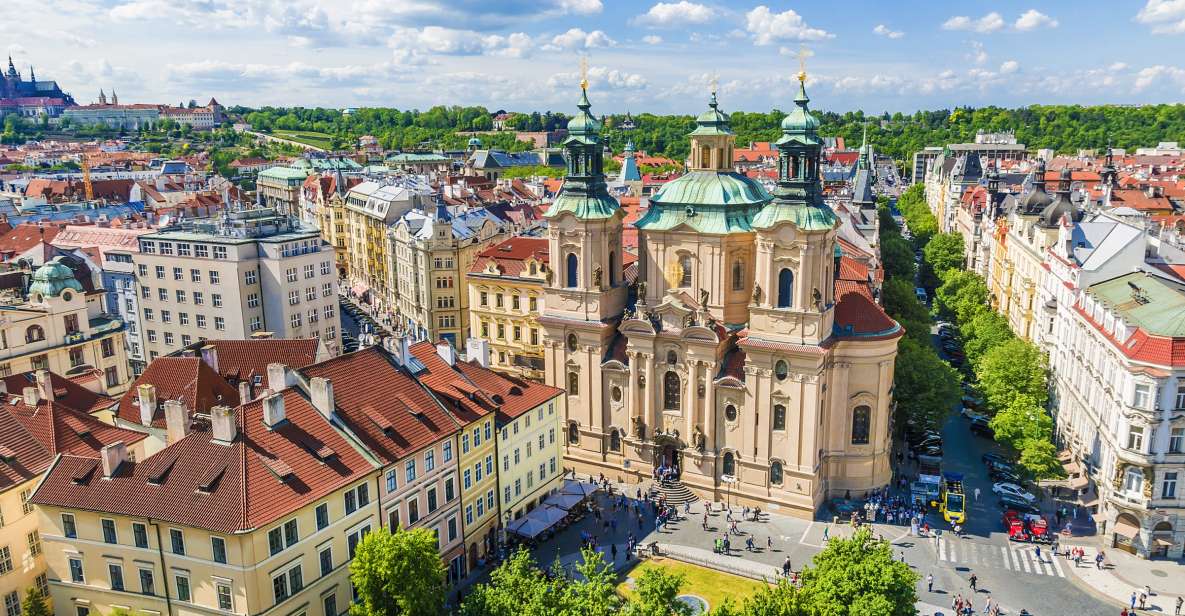
- A Baroque church interior that looks like it was built for music
- Mozart history: the Baroque organ played in 1787
- Real musical range across orchestral, organ, chamber, and choir pieces
- Czech musical touch, often including Dvořák alongside European masters
- Top-tier performers, including artists connected with the National Theatre and the Czech Philharmonic Orchestra
- One hour long, so it fits even if you’re tired from walking Prague
St. Nicholas Church sets the mood before the music starts
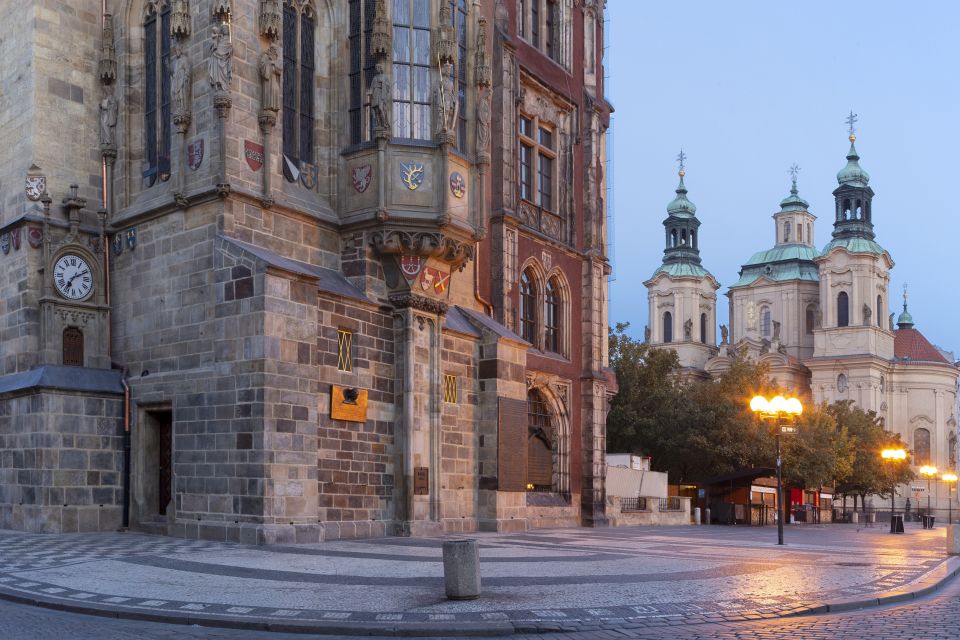
St. Nicholas Church is the kind of place where you notice details even with your mouth shut. As you enter, the first thing you feel is how the interior is designed for sound and attention at the same time. The church’s Baroque character isn’t subtle: the overall layout pulls you toward the nave, and the lighting scheme helps you see (and then keep following) the artwork during the performance.
The ceiling fresco by J. L. Kracker over the nave is a big part of the experience. It shows scenes from the life of St. Nicholas, and it’s described as one of the biggest in Europe. Even if you don’t study religious art, it’s still a strong visual anchor. You’ll likely find yourself glancing up between pieces, especially when the program includes slower organ passages or choir moments.
This is also where Prague’s “old world” feeling becomes practical. Instead of touring a church as a checklist item, you’re in the room for a full hour of sound shaped by the architecture. The building isn’t just scenery—it’s part of the instrument.
The Mozart connection: why this organ detail matters

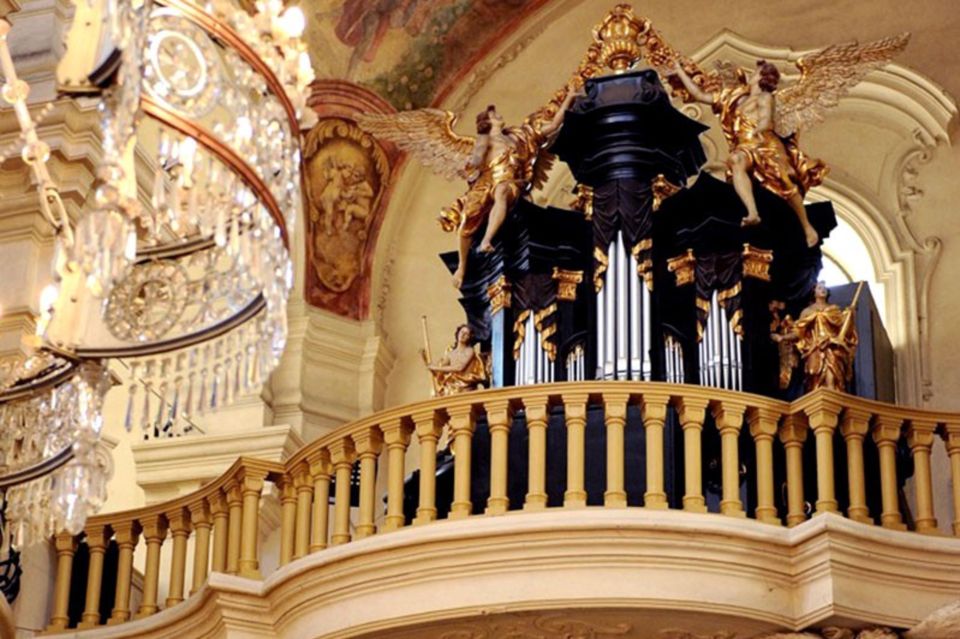
This concert has a special hook that’s more than marketing: the church’s Baroque organ was played by Mozart himself in 1787. That doesn’t mean every piece you hear is Mozart. In fact, the program can cover many different eras and styles. But the fact that the instrument has that historical link gives the performance extra gravity.
When the organ is featured, you get a clear sense of why Baroque organs are built the way they are. Organ music can sound both powerful and precise in a hall like this—when you’re seated inside the nave, the notes don’t just reach you, they fill the space. One of the most consistent themes in people’s comments is that the sound quality is spot-on. The church acoustics do a lot of work, and the organ benefits from it.
If you’re even slightly curious about how music “lives” in a specific room, this is the value. You’re not hearing an organ recording on a device. You’re hearing an instrument in the same kind of space it was designed to speak in.
What you’ll hear during the concert (and why the program changes)
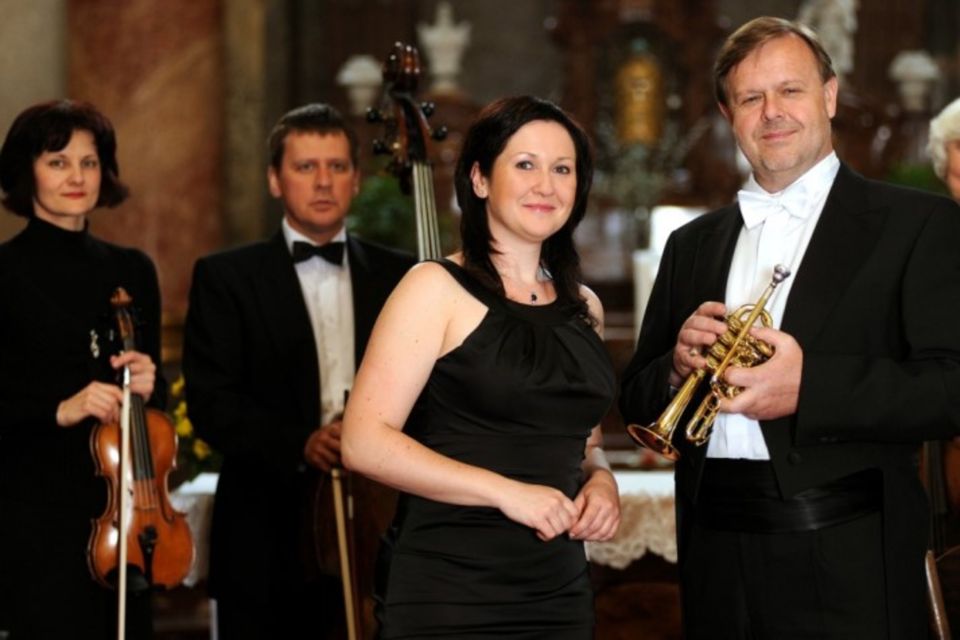
The performance is one hour long, and you can expect a sequence of classical works by major European composers. The names you might encounter include Handel, Bach, Vivaldi, Mozart, and others. There’s also room for Czech composers, including Antonín Dvořák, which is a nice way to get beyond the usual Italian/German-only classical shorthand.
What you should know up front: the program changes day-to-day. That’s important because it affects what you’ll hear most prominently. Some nights lean more orchestral or chamber. Other nights highlight organ or choir. Even the balance of “serious-only” versus slightly lighter moments can vary.
Based on prior experiences shared by attendees, you might also hear modern pop-culture music arranged for the ensemble and organ in a way that still fits the setting—for example, one performance included a piece like the Pink Panther theme. That’s not a guarantee, but it’s a good indicator of how the organizers think about audience enjoyment. You’re in a sacred Baroque room, but the program isn’t afraid of variety.
Here’s the practical way to think about it: you’re buying a concert format and a room experience, not a single guaranteed playlist. If you go with flexible expectations, you’ll likely leave happy even if one composer you hoped for isn’t the headline that night.
The “variety” format: orchestral, chamber, organ, choir
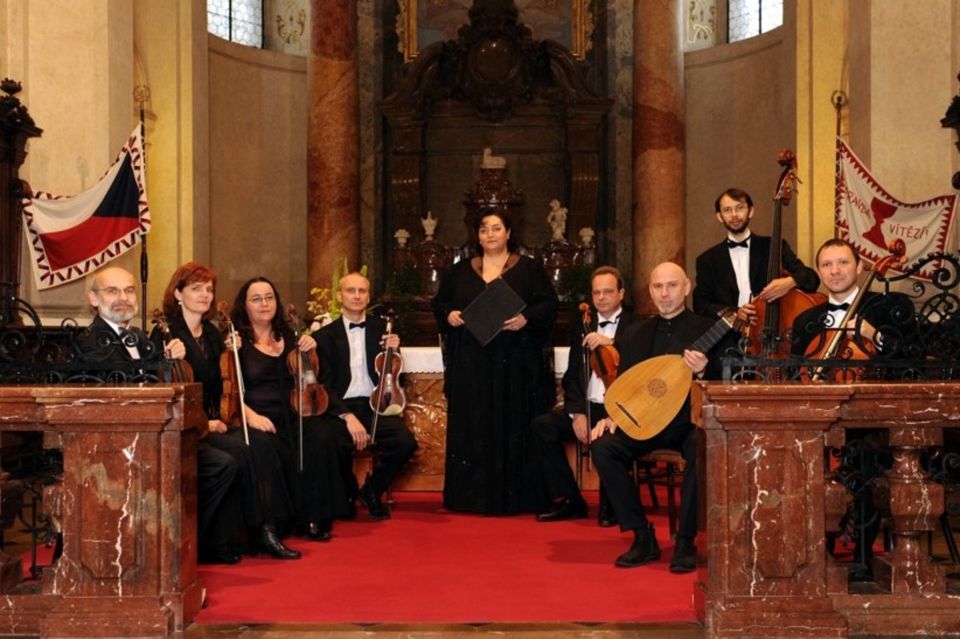
The structure of the concert is designed so that you’re not stuck listening to one type of sound the whole time. That matters in a church setting. It keeps your attention moving from instrument to instrument and from solo clarity to fuller ensemble textures.
- Orchestral sections (when included) are the big-volume moments. In a church like this, they don’t feel like a concert hall substitute. They sound more blended into the architecture.
- Chamber music usually brings out detail—short lines, clean interplay, and the subtle way musicians respond to each other in real time.
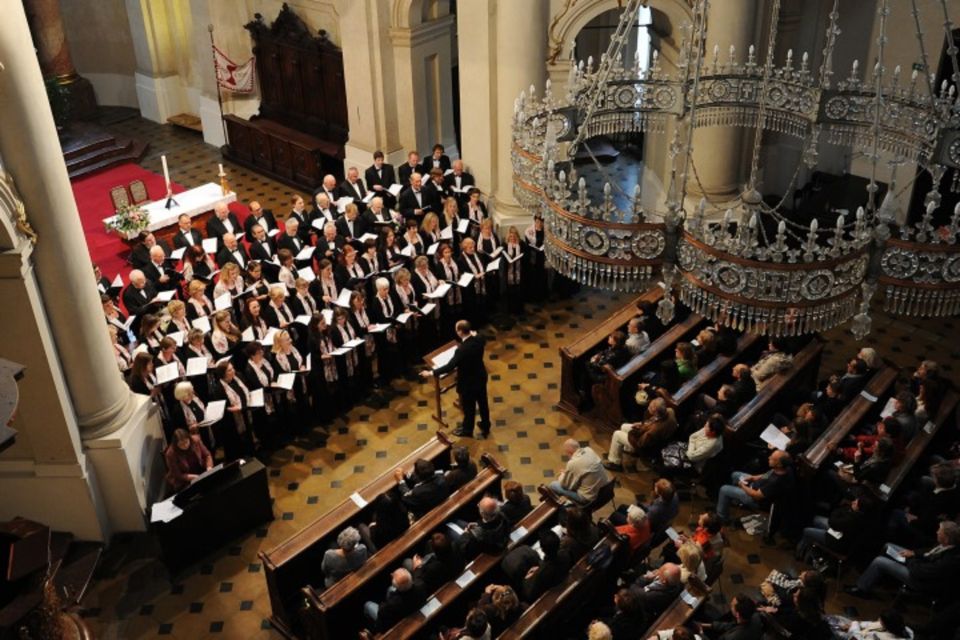
- Choir pieces benefit from the room’s ability to carry voices. You often feel them in your chest more than you hear them only in your ears.
- Organ sections are the “special ingredient.” Even people who aren’t die-hard classical fans usually recognize what’s happening when the organ starts, because it’s both physical and melodic.
Because the program rotates, you’ll want to approach it like an evening program, not a strict museum audio guide. The point is the journey across styles in one hour, under a Baroque ceiling with frescoes overhead.
Price and value: what $30 buys you in Prague
At around $30 per person, this concert sits in the sweet spot between “cheap enough to do on a whim” and “worth dressing up a little” for an experience you can’t replicate back home. A big part of the value is that you’re paying for three things at once:
1) a famous Prague interior,
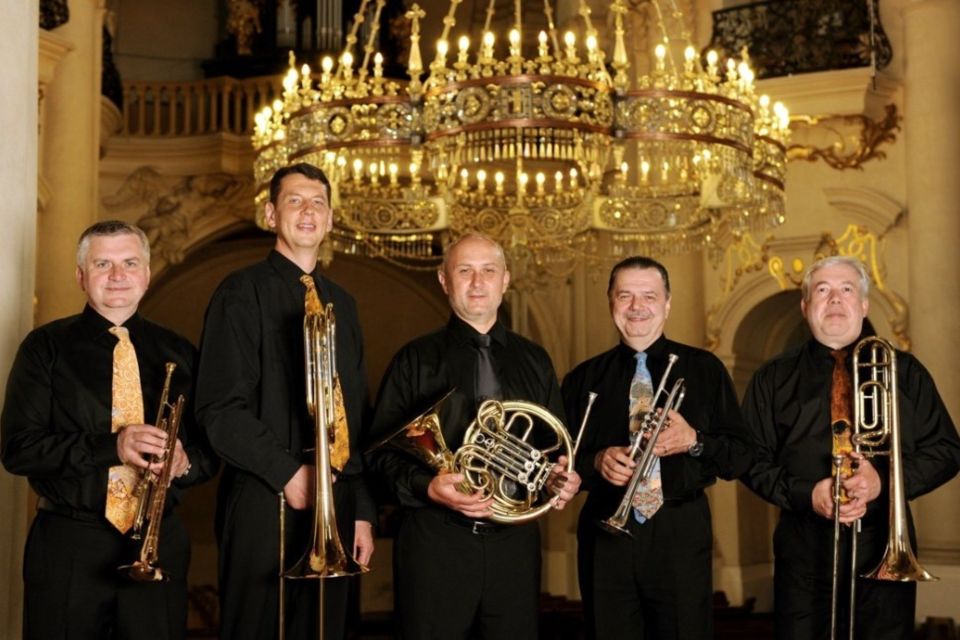
2) live musicians with strong institutional ties (performers connected with the National Theatre and the Czech Philharmonic Orchestra), and
3) a full hour of music rather than a quick stop.
You could spend more for major orchestral tickets in Prague, but you’d likely spend less time in this kind of Baroque pocket. You could also chase a free street-music moment, but you wouldn’t get this same combination of acoustics, instrument history, and focused programming.
The best value move: if your schedule is tight, don’t choose the concert based only on a favorite composer. Choose it based on the room and the format. A flexible “classical evening” in a historic church often beats a narrower plan when you’re trying to balance sightseeing fatigue with cultural payback.
Seating comfort: the small reality that affects your enjoyment
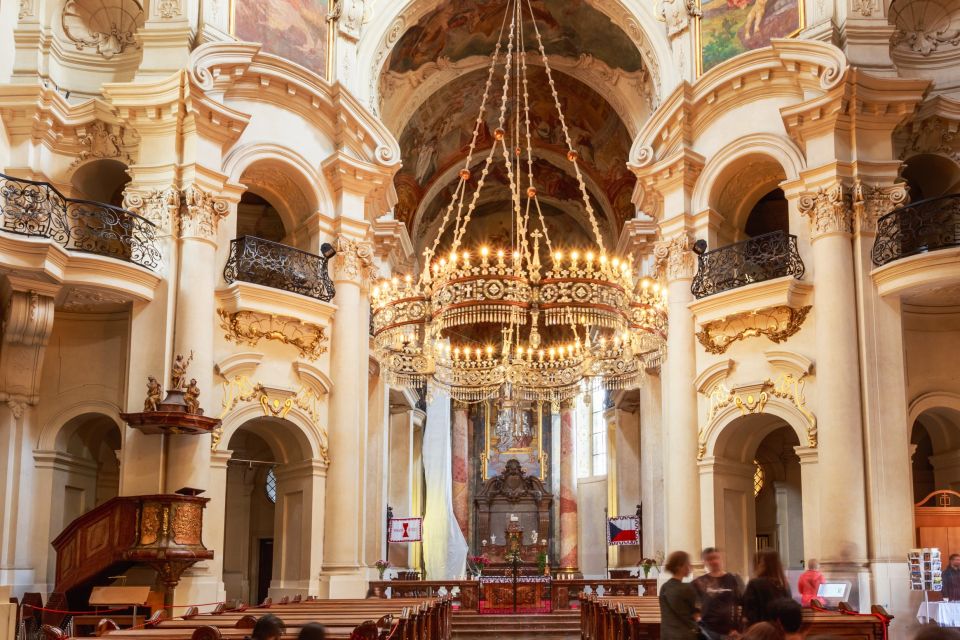
This is the part I’d treat honestly, because it can influence your mood for the whole hour. Several people note that the benches and pew seating can be uncomfortable. You’ll still enjoy the concert—most comments keep a high rating—but your body matters.
My advice:
- Bring a small cushion if you own one.
- If you’re okay with it, use a thicker layer of clothing to add a bit of padding.
- Arrive a touch early so you can settle in and get your position right before the music begins.
In winter, you’ll also want warm clothing. One attendee mentioned receiving blankets, which suggests there may be some help for colder evenings. Still, don’t count on it as a plan. Bring warm layers so you can focus on listening.
Timing and logistics: how to avoid a last-minute headache
The meeting point is outside the entrance to St. Nicholas’ Church. Find the entrance early, especially if you’re pairing this concert with dinner or a theater stop. In at least one case, someone said the posted start time in their booking looked incorrect, but the ticket was honored anyway. That’s reassuring, yet it’s still smart to verify the time shown on your confirmation before you walk over.
Also, expect a bit of a slow flow at the door. Some people noted that entry required extra time to collect details. The simplest fix is also the most boring: arrive early, don’t rush, and treat the first five minutes as buffer time.
Once you’re inside, the room does the rest. You won’t spend the hour hunting for the best angle or adjusting a tour app. You sit, listen, and let the church carry the sound.
Who this concert suits best (and who might want a different plan)
This concert is a great fit if:
- You like classical music but want it in an intimate, memorable setting.
- You want Prague culture that’s not just sightseeing photos.
- You appreciate a mix of styles—organ, chamber, choir—within a single hour.
- You’re looking for a calm evening option that doesn’t require a full night out.
It may be less suitable if:
- You’re very sensitive to sitting still. The pews can be hard, and there’s no easy mention of adjustable seating.
- You need wheelchair access. The activity is marked not suitable for wheelchair users.
- You’re traveling with an unaccompanied minor. Unaccompanied minors aren’t allowed.
If you’re a student, you may qualify for student pricing with the right ID—student card details are specific, so double-check what you’ll bring.
What to bring: a simple checklist that actually helps
Keep it practical. This concert is about sound and stillness, so your “gear” is really comfort.
Bring:
- Warm clothing (especially if you’re walking from dinner in cold weather)
- A student card if you’re using student pricing
Also plan for:
- No restrooms inside the church, so use facilities before you go.
- A smart-casual approach. There’s no official dress code, so you don’t need formalwear—just something comfortable.
If you tend to get cold easily, treat this like a winter indoor concert, not a warm indoor theater. And if your back hates pews, bring that tiny cushion. It’s the cheapest upgrade you’ll make all week.
Should you book Prague’s St. Nicholas classical concert?
Yes—if you want a classic Prague evening with strong value and a setting you can’t easily recreate. The top reasons to book are the Baroque interior, the church’s acoustics, and the fact that the program can range from organ and chamber to choir while featuring major names like Bach, Vivaldi, Mozart, Handel, and often Dvořák.
Skip it or consider another option if pew comfort is a dealbreaker for you, or if wheelchair access is required. Also, don’t treat it like a guaranteed playlist. The program changes day-to-day, so read it as a one-hour musical evening in a historic room.
If you’re flexible and you enjoy listening in a space that feels made for music, this is an easy “yes” for Prague.
FAQ
Where is the meeting point for the concert?
You meet outside the entrance to St. Nicholas’ Church.
How long is the concert?
The performance lasts 1 hour.
How much does it cost?
The price is $30 per person.
What music might I hear?
You can expect classical works by composers such as Handel, Bach, Vivaldi, Mozart, and others, and you may also hear Czech composers such as Antonín Dvořák. The exact program changes day-to-day, and it can include orchestral, organ, chamber, or choir pieces.
What is included with the ticket?
Your ticket includes the performance and a printed program in English.
Is there a dress code?
There’s no official dress code. Attire is mostly smart casual.
Are there restrooms inside the church?
No. There is no WC inside the church.
Is the venue wheelchair accessible?
No. It is not suitable for wheelchair users.
Can unaccompanied minors attend?
No. Unaccompanied minors are not allowed.
Does student pricing require a specific type of ID?
Yes. Student only valid with student ID (public transport pass) or other documents that prove study, such as ISIC.