REVIEW · PRAGUE
Prague: Communism and Bunker Tour with 70s Canteen Lunch
Book on GetYourGuide →Operated by Prague Extravaganza Tours · Bookable on GetYourGuide
A bunker tour with a 1970s lunch. I love how this tour turns Prague’s communist era into a clear, story-driven timeline with a local expert guide, and the authentic 1950s nuclear bunker visit is genuinely memorable. The main drawback to consider is simple: the bunker experience is not suitable for people with claustrophobia.
This is also the kind of tour where details matter. You start at the Powder Tower in Republic Square (look for guides holding a blue umbrella), and you’re kept in a small group—limited to 15—so questions don’t get lost. You’ll come away with a real communist-era pin, plus a better feel for how everyday life and politics collided in Czechoslovakia.
In This Review
- Key Highlights You’ll Feel Fast
- Why Prague’s Communist Story Works Best on Foot
- Starting at Republic Square: Powder Tower and the Iron-Curtain Setup
- Old Town Walk (About an Hour): From Political Theory to Real Lives
- New Town (About an Hour): The Cold War Timeline Gets Personal
- The 4-Hour Option Adds Lunch and a Real Cold War Bunker
- Inside the 1950s Nuclear Bunker: Fear, Atmosphere, and Hands-On Moments
- The 1970s Canteen Stop: Lunch at Your Pace (and Kofola If You Want)
- Value for Money: What $33 Buys You (and What It Doesn’t)
- Group Size, Pace, and Who This Tour Fits Best
- What You’ll Take Home: The Pin and the Perspective
- Should You Book This Communism and Bunker Tour?
- FAQ
- What’s included in the tour price?
- How long is the tour?
- Where does the tour start?
- Does the tour include lunch?
- Is the nuclear bunker tour included?
- Is the tour suitable for people with claustrophobia?
- What language is the tour in?
- Will the tour run in bad weather?
Key Highlights You’ll Feel Fast
- A guided communist timeline that connects the 1948 coup, the Prague Spring, and the Velvet Revolution without getting fuzzy
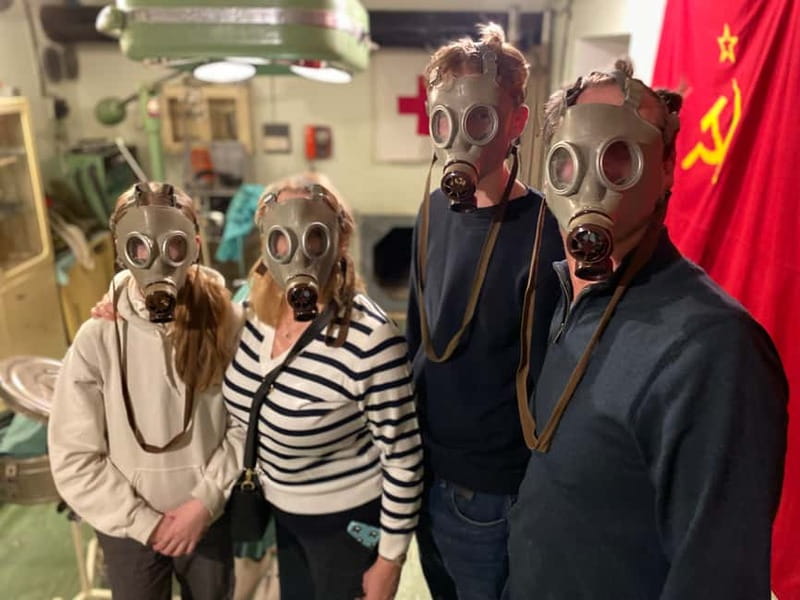
- Authentic 1950s nuclear bunker access (Cold War fear, not just a staged stop)
- A 1970s-style workers’ canteen stop, with lunch or Kofola break on the longer option
- Hands-on bunker moments like trying period items, plus photo opportunities depending on your group and guide
- Small group size (up to 15) for real conversation and questions
- A communist-era pin souvenir to make the story stick
Why Prague’s Communist Story Works Best on Foot
Prague can look like a postcard—pretty facades, tidy streets, dreamy bridges. But under that surface is a political story that shaped how people worked, ate, traveled, and even talked. This tour is built to help you connect the dots, not just name the dates.
The walking portion gives you structure: communist rule doesn’t arrive out of nowhere, and it doesn’t end neatly either. Your guide keeps bringing you back to cause and effect—how events in power circles changed daily life for ordinary people. Then the bunker adds the emotional weight. It’s one thing to read about Cold War paranoia; it’s another to stand in a space designed for the worst.
If you’re the type of traveler who likes your history with real atmosphere, this combo makes sense. You get the public story above ground and the private fear underground.
You can also read our reviews of more tours and experiences in Prague

Starting at Republic Square: Powder Tower and the Iron-Curtain Setup
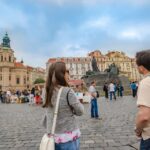
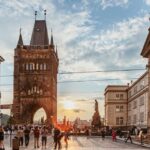
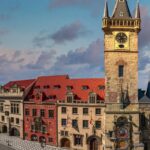
Your tour meets at the Powder Tower on Náměstí Republiky (Republic Square). It’s a good start point because it gives you a central reference point right away. This matters on a walking tour: you want to get your bearings fast, so the timeline feels grounded in real geography.
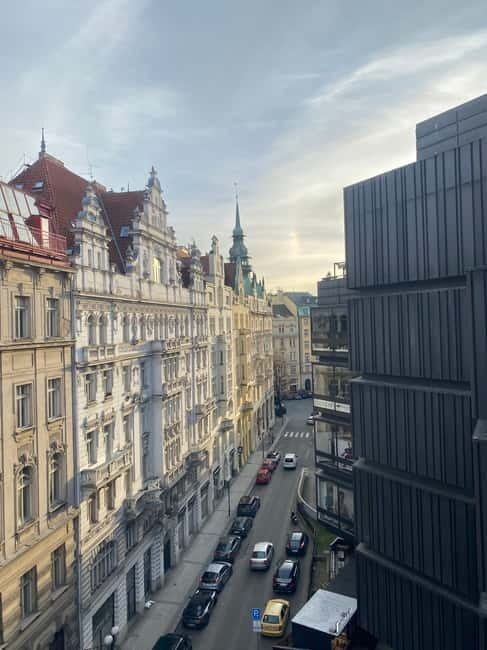
From here, you head into Old Town and New Town. Think of these as two different “views” of the same country story. Old Town is where you’ll build context—how the city’s life and culture changed as political control tightened. New Town shifts you to the more modern, everyday rhythm of Prague, so communist policy feels less like distant history and more like something that shaped street-level life.
And since the meeting staff hold a blue umbrella, you won’t be stuck guessing in the crowd. The tour is in English, rain or shine, so plan for weather and dress in layers.
Old Town Walk (About an Hour): From Political Theory to Real Lives
During the Old Town segment, your guide lays out the big turning points with a “this leads to that” approach. You’ll cover key moments such as the 1948 Communist coup, the Prague Spring, and the Velvet Revolution. The value here is pacing. Instead of dumping everything at once, the tour moves step by step through the modern era.
What I like about this structure is that it prevents the usual history-today problem—where you leave with a list of dates but no sense of how people actually experienced change. With this format, you get to see how power shifted, how hope appeared, and how reality tightened again.
One extra detail that shows up in guides’ styles (and you’ll likely feel it in your group): good tours use visuals—photos or printed references—to show what the area used to look like and what changed after communist rule. If your guide brings these along, it can make the walk feel less abstract and more human.
New Town (About an Hour): The Cold War Timeline Gets Personal
Then you move into New Town for the next stretch of guided history. This part helps connect the story to the rhythm of everyday life. It’s where communist ideology stops being an idea and starts acting like an everyday system—rules about work, institutions, and power.
The best guides don’t just describe politics. They bring in personal context—what life felt like under the system, and how ordinary people had to navigate it. You’ll see this in the consistent feedback about guides being engaging and conversational. Names come up often too—guides like Klara and Leo are praised for making complex topics feel digestible and for answering questions in a straightforward way.
If you’re curious and like asking “why” questions, this is where you’ll get traction. The format is also friendly for first-timers to Prague’s communist era, because the guide keeps explanations tied to the city’s streets and public spaces.
The 4-Hour Option Adds Lunch and a Real Cold War Bunker
The shorter option is a solid choice if you want the story without the underground piece. But if you do the extended tour, you’ll get two extra layers: a 30-minute break with food/drink, and the 1950s nuclear bunker.
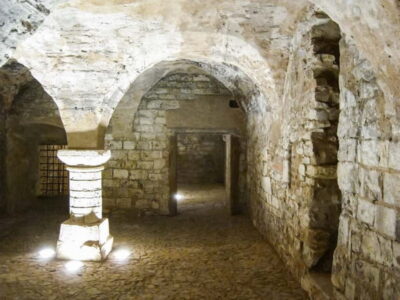
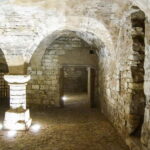
That bunker stop is the main event. It’s an authentic Cold War-era space built to reflect the fear and atmosphere of the 1950s. The entry price (listed as worth about 250 CZK / 10 EUR) is included when you choose this longer option, so you’re not stuck making extra purchases at the gate.
One more practical note: this tour rain or shine. So if the day is miserable outside, at least you know you’ll have a sheltered segment underground as part of the experience.

Inside the 1950s Nuclear Bunker: Fear, Atmosphere, and Hands-On Moments
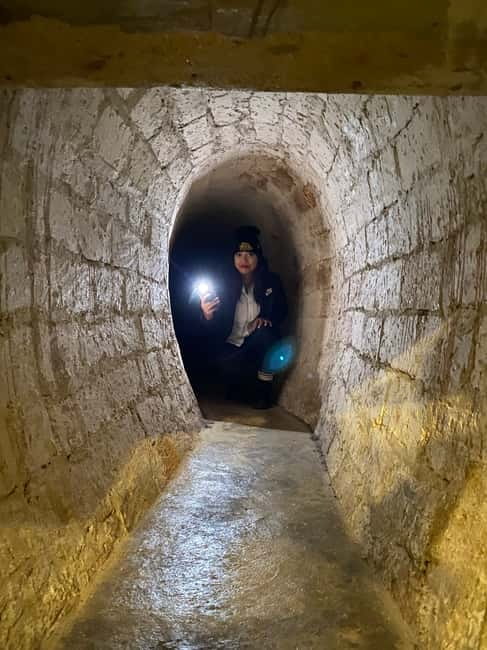
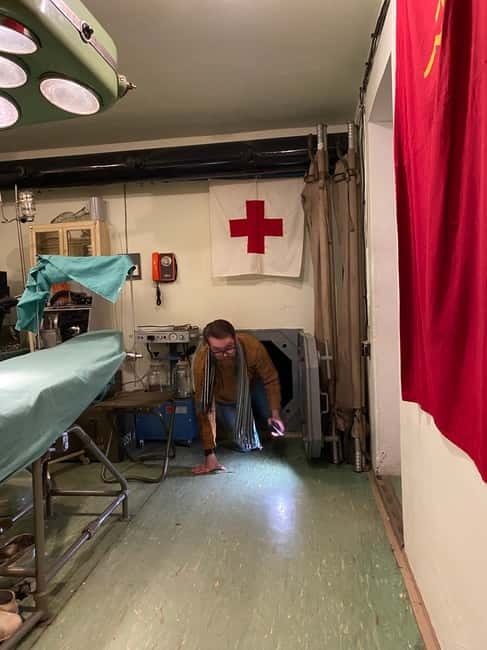
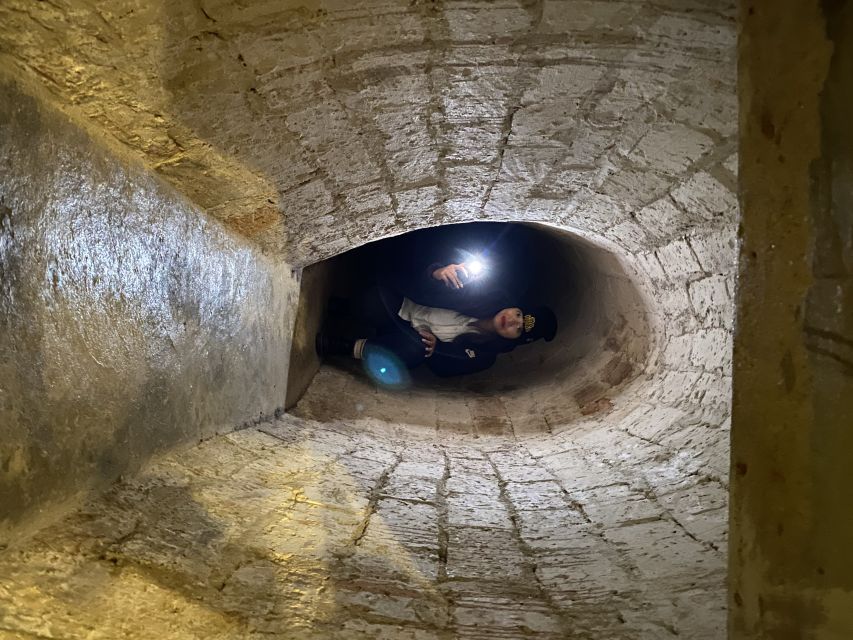
The bunker visit is the part people remember because it’s physical. It’s not a museum display behind glass; it’s a space designed around protection and procedure. That’s why the tour has a clear warning: it’s not suitable for people with claustrophobia.
Inside, the experience focuses on Cold War reality—how people imagined nuclear threat and how governments prepared (or claimed to prepare) for it. Even if you already know the broad headlines, being in the space helps you understand the psychology: why people lived with constant tension, and why state systems were built for control and survival.
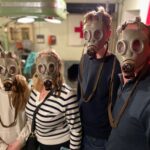
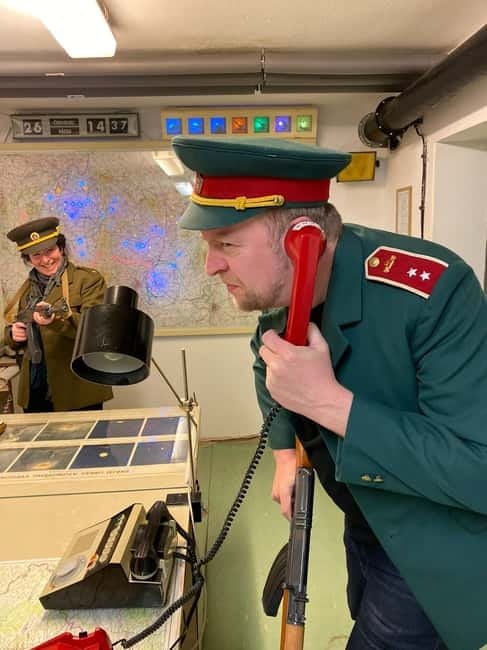
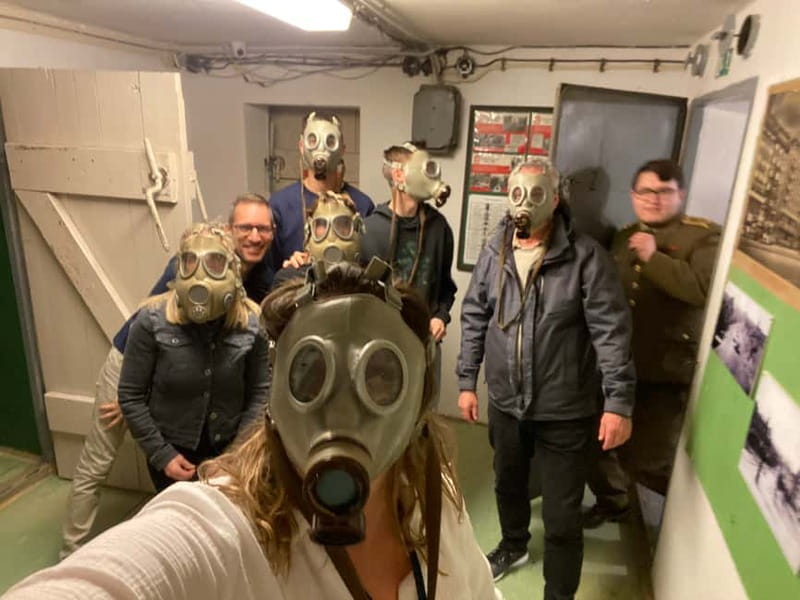
A few guides add hands-on, role-style details. In group feedback, you’ll find mentions of trying on period uniforms and using equipment, plus guides taking photos and making it interactive. Whether those moments happen in your exact group depends on your guide and timing, but the tour’s format clearly supports it—this isn’t just a quick walk-through.
The 1970s Canteen Stop: Lunch at Your Pace (and Kofola If You Want)
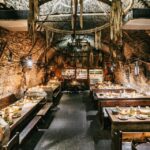
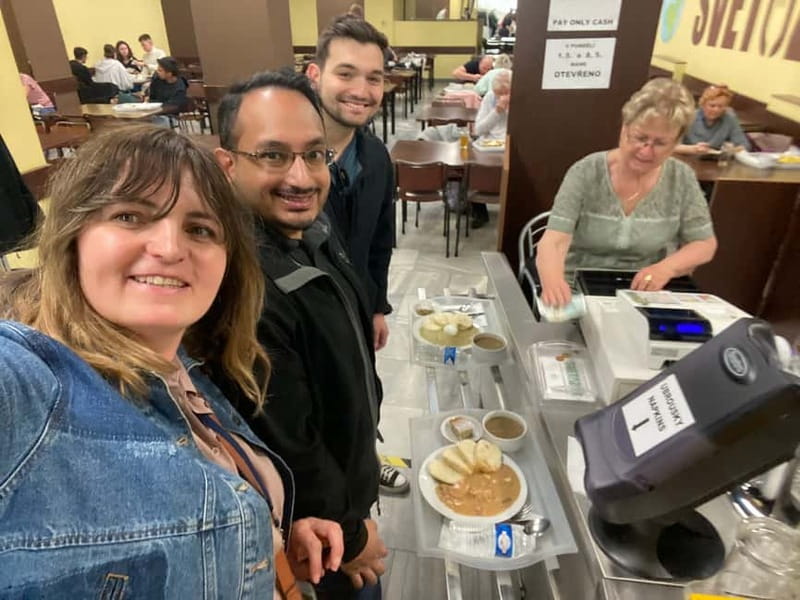
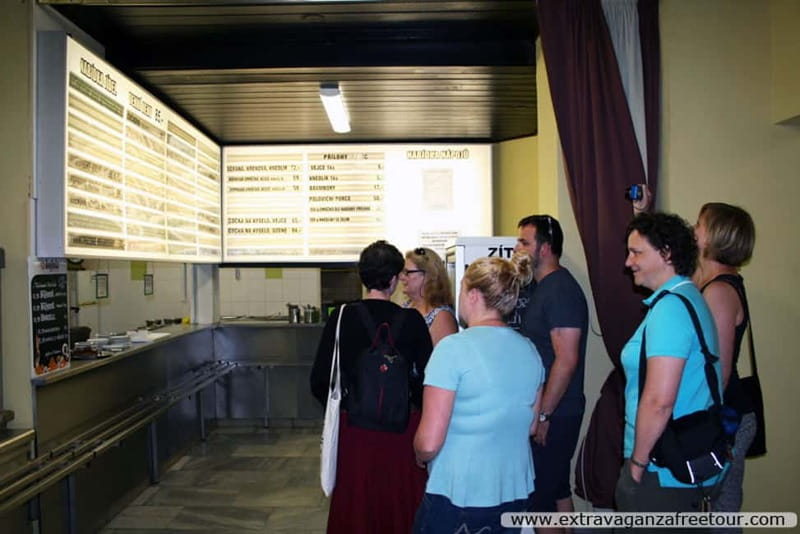
If you choose the longer tour, you get a break to eat in a retro workers’ canteen from the 1970s. Lunch is at your own expense, so you control what you order and how adventurous you want to be.
What makes this stop valuable is that it ties ideology to something basic: food and routine. Under communist rule, cafeterias and canteens weren’t just about meals. They were social spaces where the state’s idea of collective life showed up in daily habits. A canteen setting turns history into something you can taste and observe, even if you only try one dish and then keep moving.
You’ll also have the option to try Kofola, a Czech soft drink. It’s a small choice, but these little “era markers” help the story stick.
Because the break is about 30 minutes, don’t treat this as a slow lunch date. Go in ready to eat, enjoy the vibe, and come back for the bunker portion (if you’re on the 4-hour option).
Value for Money: What $33 Buys You (and What It Doesn’t)
At about $33 per person, you’re paying for more than a generic sightseeing walk. You get:
- An English-speaking expert guide
- A structured communist-history walk through key areas
- A souvenir pin from the communist era
- And, on the longer option, bunker entry (the listing says 250 CZK / 10 EUR value)
So the pricing makes sense if you’re doing the 4-hour version, because the bunker fee is a meaningful chunk of the cost. The lunch is not included, but that’s also normal for this style of experience: you’re choosing what you eat rather than paying for a set menu.
If you only choose the 2-hour walking option, you’ll still feel value because the guide work is the main product—keeping the timeline clear and answering questions. That said, the bunker is the “physical” differentiator, so if underground history appeals to you, I’d lean toward the longer format.
Group Size, Pace, and Who This Tour Fits Best
This is a small-group tour, capped at 15 people. That’s a big deal with history, because you’ll likely have questions. It also helps the guide keep a steady rhythm without feeling like you’re part of a large bus-group script.
In terms of pace, the walk segments are about an hour each, and the longer tour adds a break and the bunker. You’re not dealing with a marathon schedule, but it is active. Comfortable shoes matter because you’re walking between Old Town and New Town.
Who it fits best:
- You want more than a monuments-and-postcards Prague visit
- You enjoy political history when it’s explained clearly and tied to real places
- You like hands-on, atmospheric stops (the bunker is your hook)
- You’re traveling with a friend, partner, or small group and want conversation time
Who should reconsider:
- If you have claustrophobia, the bunker portion is a hard no
- If you only want light, casual sightseeing, the subject matter may feel heavy (even with humor)
What You’ll Take Home: The Pin and the Perspective
The tour includes an original communist-era pin as a souvenir. That’s a nice touch because it’s not mass-produced “Prague merch.” It functions like a tiny bookmark for what you learned—especially after seeing the bunker.
More importantly, you’ll likely leave with perspective. The communist era can feel like a distant political chapter when you read it in a textbook. But standing in public spaces, walking through city areas tied to the story, and then entering a Cold War bunker makes the timeline feel closer and more believable.
Guides also tend to help questions land well. In group feedback, guides like Klara and Leo are specifically praised for being engaging, humorous in a human way, and quick to answer questions. If your style of learning is conversation plus clear explanations, you’re set up for a good experience.
Should You Book This Communism and Bunker Tour?
Book it if you want Prague’s communist past explained in a way that’s easy to follow and hard to forget—especially if you’re choosing the 4-hour option for the bunker and the 1970s canteen.
Skip or rethink it if you’re claustrophobic, or if you prefer only upbeat history. Also consider doing the 2-hour walking version if you’re short on time but still want the timeline and the guided context.
If you’re on the fence, here’s the simplest way to decide: the bunker is the difference-maker. Everything else supports it—your walking timeline builds the why, and the canteen break adds the how daily life felt. Together, it’s a well-balanced way to understand a heavy chapter without drowning in details.
FAQ
What’s included in the tour price?
The tour includes an expert local guide, the guided walking tour focused on Cold War history, and an original communist-era pin. If you select the 4-hour option, bunker entry (listed as a €10 / 250 CZK value) and a guided bunker tour are included.
How long is the tour?
You can choose between a 2-hour communism walking tour and a 4-hour version that includes the bunker and the canteen break. The listed duration range is 2–4 hours depending on which option you book.
Where does the tour start?
The meeting point is Powder Tower at Náměstí Republiky (Republic Square). Guides hold a blue umbrella, so that’s your spot.
Does the tour include lunch?
Lunch in a retro 1970s-style workers’ canteen is part of the longer option as a break, but it’s at your own expense. You may also have the option to try Kofola during that break.
Is the nuclear bunker tour included?
Yes—if you choose the 4-hour option, the listing says the bunker entry fee is included and you’ll also get a guided bunker tour.
Is the tour suitable for people with claustrophobia?
No. The tour is explicitly not suitable for people with claustrophobia due to the bunker experience.
What language is the tour in?
The tour is available in English.
Will the tour run in bad weather?
Yes. The tour takes place rain or shine.