REVIEW · KUTNA HORA
From Prague: Kutna Hora Walking Tour & St. Barbara Cathedral
Book on GetYourGuide →Operated by Gray Line Czech Republic · Bookable on GetYourGuide
Kutná Hora is the kind of place that looks normal—until it absolutely doesn’t. In about 5 hours, you’ll head east from Prague to a UNESCO town built on medieval silver wealth, then finish with two of the Czech Republic’s most memorable church sights. I like that this tour focuses on walkable history (town center first, major landmarks next) instead of turning everything into a drive-by photo stop.
Two things I really like: first, St. Barbara Cathedral. It’s a top late-Gothic showpiece tied directly to the miners who kept Kutná Hora’s silver economy alive. Second, you get Sedlec Ossuary (Bone Chapel), where the famous interior turns a macabre idea into something oddly meaningful and very, very Czech.
The main thing to consider is comfort and control. This is a walking tour and at least some departures have been reported as less-than-smooth on basics like group hearing, toilet timing, and bus comfort—so if you hate being rushed or you rely on frequent breaks, plan carefully.
In This Review
- Key things to know before you go
- From Prague to Kutná Hora: the 5-hour rhythm that matters
- Kutná Hora’s UNESCO center: medieval architecture you can actually see
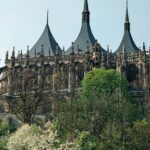
- St. Barbara Cathedral: late Gothic built by miners
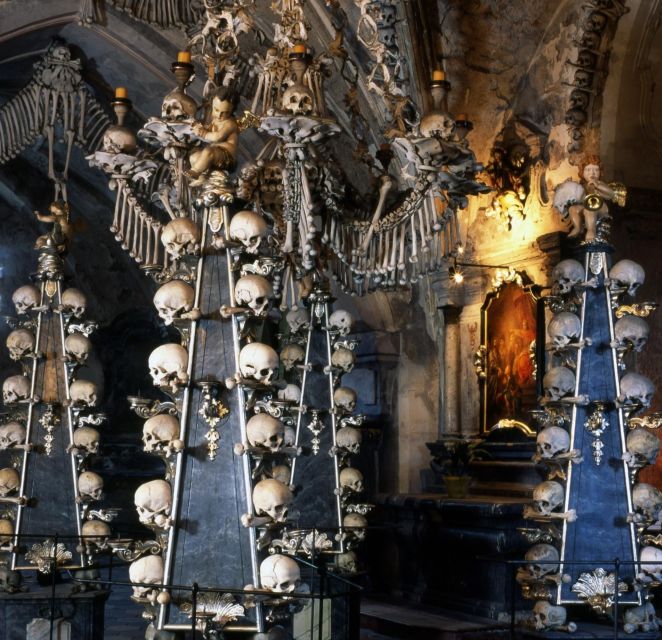
- Sedlec Ossuary (Bone Chapel): an unforgettable interior with real weight
- Tour comfort, guide quality, and keeping the group together
- Price and value: is $53 worth it?
- What to bring and how to plan your day
- Who this tour suits best (and who should skip it)
- Should you book this Kutná Hora walking tour?
- FAQ
- How long is the Prague to Kutná Hora tour?
- Where do I meet for the tour in Prague?
- What’s included in the price?
- Is food or drink included?
- Does the tour skip the ticket line?
- What languages are available for the guide?
- Is it suitable for people with mobility impairments?
- What are the discounts for children and students?
Key things to know before you go
- UNESCO Kutná Hora: you’ll walk the medieval core tied to Bohemia’s silver boom
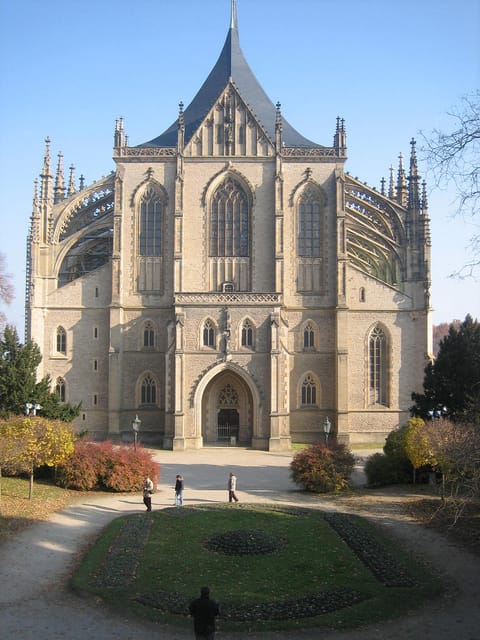
- St. Barbara Cathedral: late-Gothic architecture connected to miners and their patroness
- Sedlec Ossuary (Bone Chapel): an iconic interior experience included if you choose it
- Skip the ticket line: you save time at the major church sites
- English, French, German, Italian, Spanish: live guide options, but double-check your language choice
- Comfort matters: bring comfortable shoes and expect a real walking pace
From Prague to Kutná Hora: the 5-hour rhythm that matters
This tour is built for one simple goal: get you out of Prague and into a UNESCO mining town without wasting half a day commuting. The meeting point is in Prague at Revoluční 767/25, Old Town, Praha 1, right in front of the building marked with the Gray Line Czech Republic logo. That’s handy because it’s easy to find and easy to reconcile with your confirmation.
The schedule is tight: you’re in Kutná Hora long enough to absorb the medieval feel, then you hit the headline indoor sites. Because it’s only 5 hours, the day runs on tempo. You’ll want to arrive ready to walk, listen, and keep moving between stops—this is not the kind of tour where you can linger every time a street view catches your eye.
One practical note from real-world experience: some groups have reported that bus comfort and guide audio weren’t perfect early on. If you tend to get cold or you’re sensitive to sound, bring layers and choose your spot on the bus wisely. And once you’re walking, stand where you can hear. Don’t assume the back row will catch every word.
You can also read our reviews of more tours and experiences in Kutna Hora.

Kutná Hora’s UNESCO center: medieval architecture you can actually see
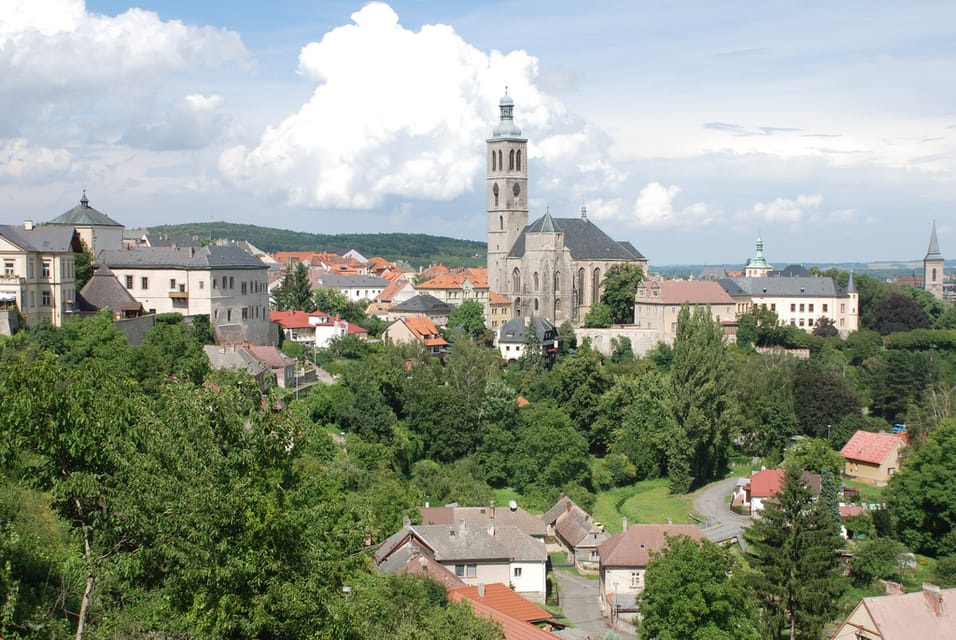
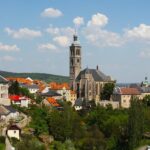
Kutná Hora isn’t just famous because it has two big attractions. It’s famous because it grew fast, and fast growth leaves fingerprints. In the Middle Ages, the town expanded in an area loaded with silver ore. That wealth boosted Kutná Hora into Bohemia’s second-most important town—big enough that its architecture still reads like power.
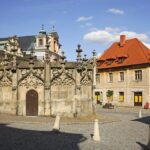
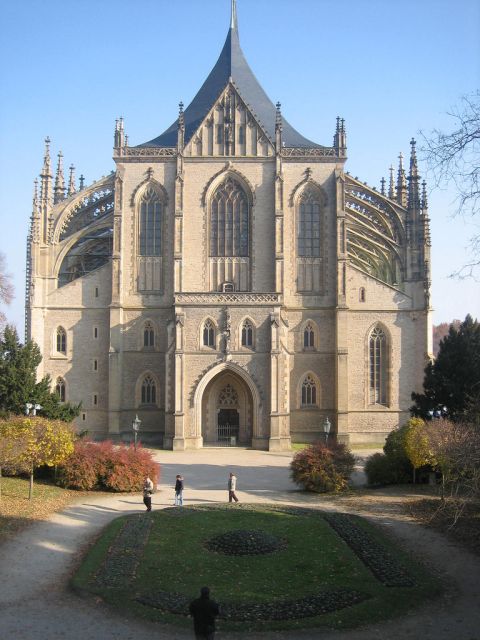
On your walking portion, you’ll spend time soaking up the town’s medieval bones: stone facades, the general urban layout, and the sense of a place built when mining money mattered. This is the part that makes the later cathedral and ossuary hit harder. When you understand this was an economy of miners, bells, and coin, St. Barbara stops being just a pretty church and becomes the cultural center it was for the people who worked there.
Two good ways to make this part work for you:
- Walk with intent. Don’t try to “collect” every detail. Pick a few streets and watch how the architecture changes as you move through the core.
- Use the guide to connect dots. A good explanation turns stone into story fast—especially here, where silver wealth shaped everything.
If you prefer a slow stroll with lots of breaks, keep your expectations realistic. This tour is paced. One review complaint called the walking excessive, and another mentioned a segment at the end that felt like there wasn’t much to see. That doesn’t mean every departure feels the same, but it does mean you should come prepared for a day that prioritizes coverage over wandering.
St. Barbara Cathedral: late Gothic built by miners
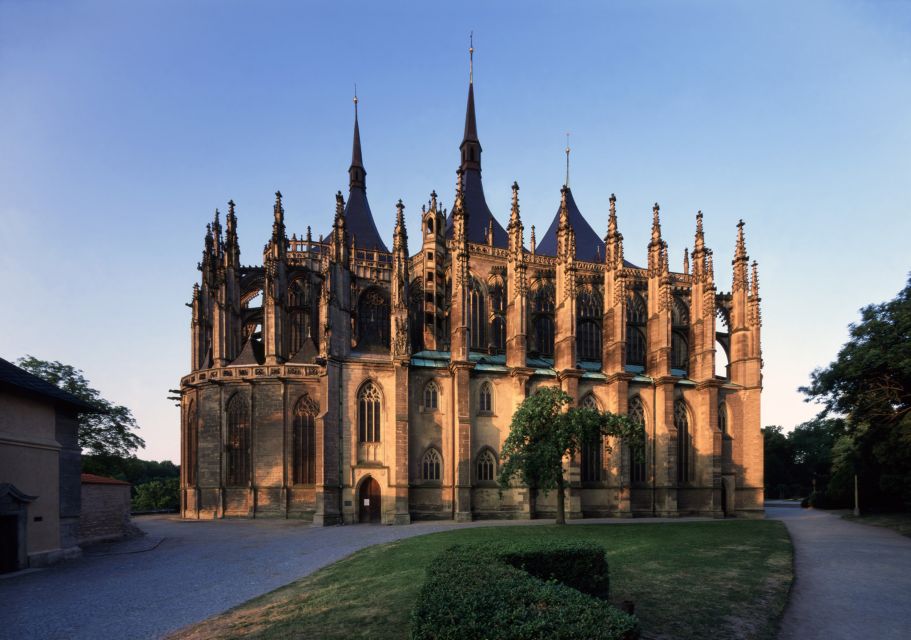
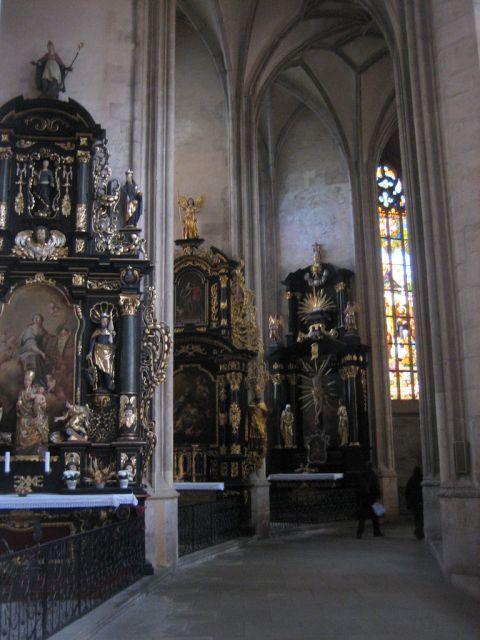
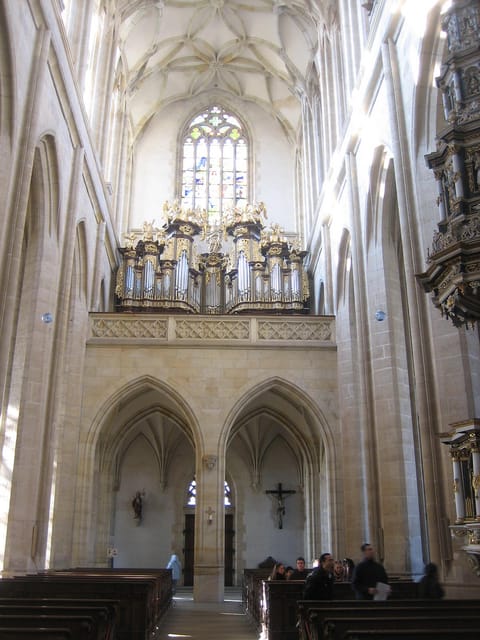
Now for the moment that most people remember: St. Barbara Cathedral. The cathedral is considered one of the best examples of late Gothic architecture in Bohemia, and it’s tied directly to the miners through its dedication to Saint Barbara, the patroness of miners.
Here’s why that connection matters: miners didn’t just extract ore; they built systems—rituals, community support, and religious protection—around the dangers of their work. St. Barbara’s role as a patroness meant miners came to the cathedral for blessings. So when you’re inside, you’re not just looking at gorgeous stonework. You’re stepping into a place that served as spiritual insurance for people whose jobs were inherently risky.
This is also where the skip-the-line value tends to pay off. Waiting can eat a chunk of your short 5-hour window, and church interiors often get busy at peak times. With skip-the-ticket-line included, you lose less daylight to paperwork and spend more of your time on the architecture itself.
If you’re the kind of person who enjoys details, listen closely when the guide explains why the cathedral looks the way it does and how it connects to the silver economy. If you can’t hear well, change position. You’re not stuck with the spot you start in—move a little so you can catch the explanation.
Sedlec Ossuary (Bone Chapel): an unforgettable interior with real weight
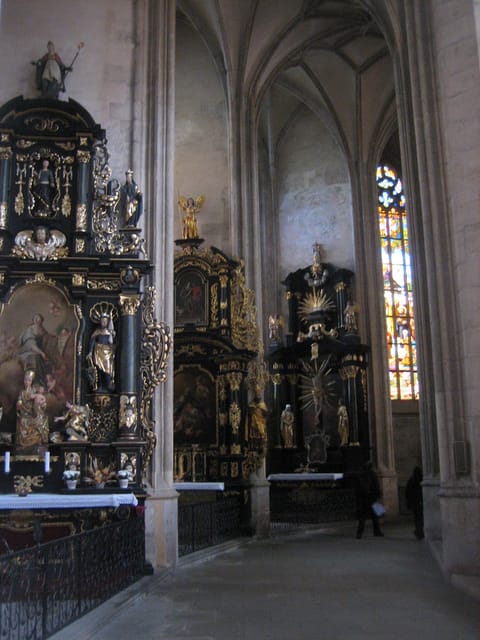
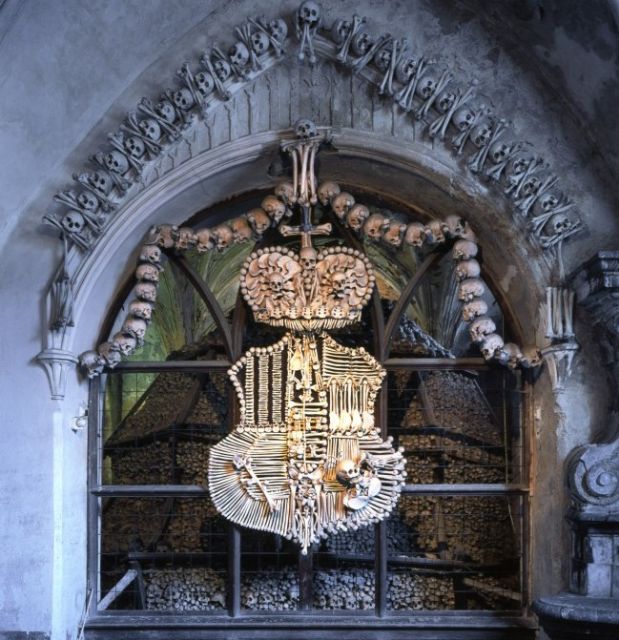
After the cathedral, you’ll visit Sedlec Ossuary, also called the Bone Chapel. This is one of those sites where people either feel something strong immediately—or they’re skeptical at first and then the place wins them over with sheer visual impact.
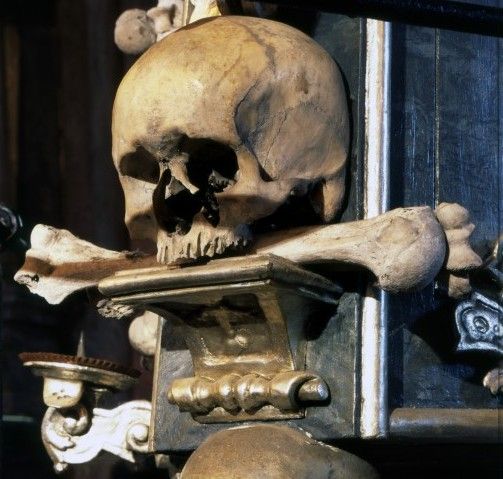
The tour gives you the essentials: you’ll see the ossuary’s interior as the centerpiece experience. Entrance is included if you select the option. Even if you’ve seen photos online, the real thing has a different effect because it’s total immersion. It’s not just bones; it’s arrangement, pattern, and scale. You’ll get the sense that the site isn’t trying to shock you for attention. It’s communicating something about death, memory, and how communities cope with mortality.
Practical advice: this site is indoor and attention-driven. If you’re tired, it’s easy to stop listening. Don’t. It helps to understand what you’re looking at while you’re looking at it. Let the guide frame the ossuary so you don’t just walk through it like a checklist.
Also, plan around pace. With only a short tour window, the day can feel like “cathedral, then ossuary, then back out.” Some reviews noted limited toilet breaks—specifically one break—and no obvious opportunity to buy food during the full 5+ hour outing. So if you want snacks, think ahead before you go.
Tour comfort, guide quality, and keeping the group together
The tour is led by an expert live guide, and the language options listed include English, French, German, Italian, and Spanish. That’s great on paper, but I want you to think like a seasoned tourist: don’t assume your language will be perfect just because you booked it.
One reported issue was a language mismatch. A participant who reserved a French guide ended up with a Czech person who spoke only English and didn’t get the expected French explanations. Another reported concern was that during the walking part the group could not hear the guide. In an ideal world, this wouldn’t happen. In the real world, it can.
So here’s how you protect yourself:
- Arrive at the meeting point on time so there’s no rushed regrouping.
- If language matters a lot to you, keep your booking confirmation handy and be ready to speak up if the guide language doesn’t match.
- During the walk, stand where you can hear. If audio is bad, you can usually move closer.
Group size is another factor. The info you have says the private tour with guide and driver is for up to 6 participants. For a small group, listening is usually easier and the pacing often feels more manageable. If you hate being in large crowds, that private option may fit your style better—assuming it’s available for your dates.

Price and value: is $53 worth it?
At $53 per person, you’re paying for three things: transport from Prague, a guided 5-hour experience, and access to major sites. What makes the math more interesting is how the inclusions work.
Included:
- Expert guide
- Entrance fee to Church of St. Barbara and Bone Chapel Sedlec if you select that option
Not included:
- Food or drink
So is it good value? For most people, it’s competitive because you’re not just buying tickets—you’re buying someone to connect the dots between mining wealth, late Gothic architecture, and the Bone Chapel’s meaning. And because there’s skip-the-ticket-line, you’re also paying to save time at the big stops.
Where the value can feel weaker:
- If you’re expecting a relaxed day with frequent breaks and easy food access, the setup may not match. With no food or drink included and at least some reports of limited breaks, you may end up spending extra on snacks elsewhere.
- If the bus comfort or guide audio isn’t great on your departure, your experience can swing quickly. You can’t control that, but you can choose to show up prepared.
If you’re traveling with the goal of seeing Kutná Hora’s highlights in one clean day, and you’re okay with a brisk pace, the price can make sense. If you want slow, flexible time, you might feel time-pressed.
What to bring and how to plan your day
This is a short day, so packing and timing matter more than usual.
Bring:
- Comfortable shoes (walking is a real part of the experience)
- Sunglasses (useful for bright days and waiting outside for short stretches)
Not allowed:
- Pets
- Luggage or large bags
You’ll also want to think about your stomach and your schedule. Food and drink aren’t included, and one review specifically said there wasn’t a chance to buy food during the tour. Even if that isn’t your exact departure, it’s a warning worth respecting. If you get hungry easily, consider a snack before you meet.
One more practical thought: the tour lasts 5 hours, which is long enough to notice small annoyances. Plan a mindset: treat it like a guided sightseeing session with two heavy-hitters at the end, not like a slow wandering day.
Who this tour suits best (and who should skip it)
This works best for you if:
- You want a guided, organized UNESCO day trip from Prague
- You enjoy churches and historical architecture, not just landmarks on maps
- You’re comfortable walking for much of the day and you don’t need frequent restroom stops
It may be a poor fit if:
- You have mobility impairments (it’s listed as not suitable for that)
- You need lots of breaks or you hate being rushed
- You’re extremely sensitive to sound quality and hate when group audio fails
- You expect food to be part of the experience
Also, if your biggest priority is an effortless, calm day with no surprises, consider the private option (up to 6 participants) where the flow may feel smoother.
Should you book this Kutná Hora walking tour?
I’d book it if your goal is a focused day: UNESCO Kutná Hora town sights, St. Barbara Cathedral with its miner-patronage context, and Sedlec Ossuary as the unforgettable finale. The skip-the-line setup and the fact that entrance fees are included when selected are real upsides for a tight day.
I wouldn’t book it if you’re planning around comfort first—frequent bathroom needs, long pauses, or a slow pace. Based on reported issues, some departures can have problems with guide audibility, bus comfort early in the trip, and limited time for basics like food.
Bottom line: if you show up ready to walk, stand where you can hear, and plan snacks, this can be a strong “Prague-to-UNESCO highlights” day. If you need everything to be perfectly smooth, you may want a different tour style.
FAQ
How long is the Prague to Kutná Hora tour?
The duration is 5 hours.
Where do I meet for the tour in Prague?
Meet at Revoluční 767/25, Old Town, Praha 1, Czechia, in front of the building marked with the Gray Line Czech Republic logo.
What’s included in the price?
The tour includes an expert guide. Entrance fees to St. Barbara and the Bone Chapel Sedlec are included if you select the option.
Is food or drink included?
No. Food or drink is not included.
Does the tour skip the ticket line?
Yes, it includes skip-the-ticket line.
What languages are available for the guide?
The live guide is available in English, French, German, Italian, and Spanish.
Is it suitable for people with mobility impairments?
No, it is listed as not suitable for people with mobility impairments.
What are the discounts for children and students?
Child price applies to children 10 years old and under. Student price applies to students up to 26 years old with an ISIC card.