REVIEW · PRAGUE
Prague: Psychiatric Hospital and Abandoned Cemetery Tour
Book on GetYourGuide →Operated by McGee's Ghost Tours · Bookable on GetYourGuide
Prague has plenty of spooky stories, but this one is different. You’ll step into a working psychiatric hospital on the edge of town, then follow an eerie route past a sadly quiet abandoned cemetery tied to decades of mental-health care. It’s a guided walk that mixes Europe-wide history with very real, very human stories.
What I like most is the focus on how people tried to treat mental illness across time. You don’t just hear vague dates—you get the chain of ideas, from medieval “mystic” thinking to later clinical methods, including lobotomies and the famous Rosenham experiment. And the tour’s pace is anchored by strong guiding; one standout name that shows up in recent bookings is Tina, with guides who explain the hospital and cemetery stories clearly and with real passion.
The main drawback? The subject matter is heavy. The tour includes dark history of psychiatry, and you may also be around patients as it passes through an active facility—so it’s not a fit for small kids.
In This Review
- Key things you’ll notice on this tour
- Bohnice Psychiatric Hospital: why this tour doesn’t feel like a museum
- Getting to the meeting gate at Ústavní 91 (and what helps on arrival)
- By public transport
- By taxi
- What to bring
- The hospital tour: medieval ideas, lobotomies, and the Rosenham experiment
- What you’ll actually hear about patients and wards
- The abandoned graveyard stop at Bohnický ústavní hřbitov
- Reading the grounds: how to make the walk feel worth it (not just scary)
- Price and value: is $32 worth it for 3 hours?
- Who should book, and who should skip it
- Quick travel tips before you go
- Wear shoes you trust
- Plan for weather
- Consider Uber for the return
- Go in with the right mindset
- Should you book the Bohnice Hospital and Abandoned Cemetery Tour?
- FAQ
- How long is the tour?
- How much does the tour cost?
- Where do I meet the guide?
- Is the tour guide in English?
- Is there a private group option?
- What should I bring?
- Is the tour suitable for small children?
- How do I get there by public transport?
- What’s the taxi estimate from the city center?
- Can I cancel for a refund, and can I pay later?
Key things you’ll notice on this tour
- A real, operating hospital (not a staged set): you’ll see what institutional life looks like up close
- Psychiatry timeline from mystic rituals to modern experiments including lobotomies and the Rosenham experiment
- The Bohnický ústavní hřbitov promenade: an abandoned graveyard walk that feels unsettling in the best way
- Ward stories tied to both past and more recent cases, framed by your guide’s explanation
- Strong guide impact, including English tours led by professionals such as Tina
Bohnice Psychiatric Hospital: why this tour doesn’t feel like a museum
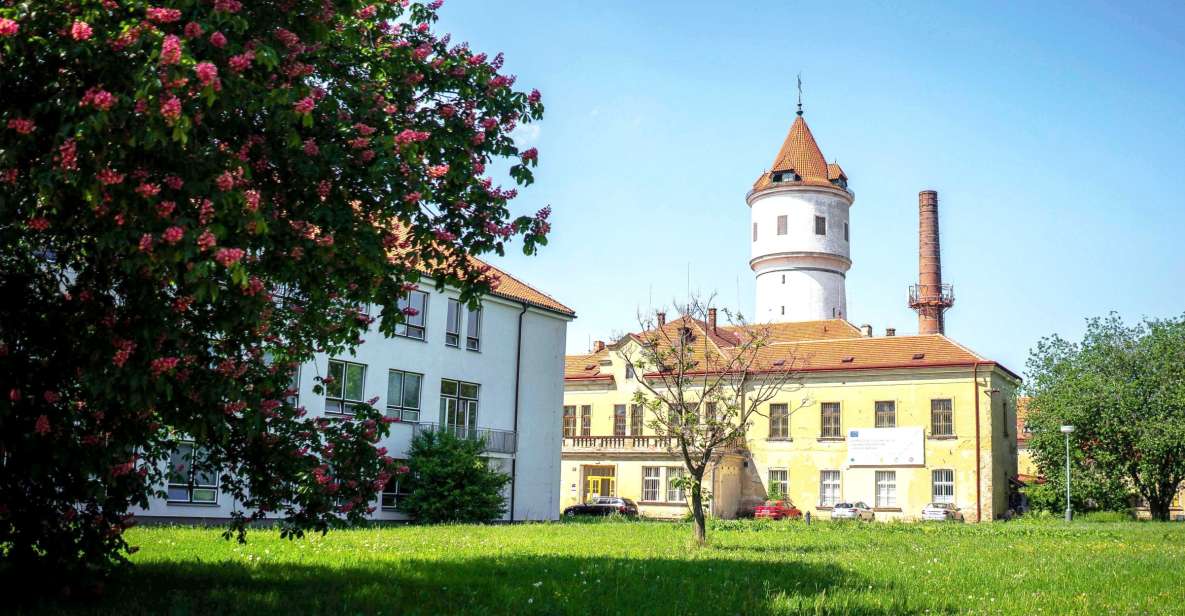
If you like history that has consequences, this tour works. Museums can feel like distance. Here, the distance collapses. You start at Psychiatric hospital Bohnice, and the guide sets the tone fast: psychiatry isn’t just a chapter in a textbook. It’s a story of fear, hope, science, and mistakes—often all mixed together.
You’ll walk through spaces that were built for care, then you’ll hear how those same ideas were carried out when society didn’t understand mental illness the way it does now. The tour keeps returning to a simple but uncomfortable question: when people tried to classify suffering, what did that lead to?
The cemetery stop adds another layer. You aren’t just looking at old stones. You’re walking a promenade that belongs to the institution’s history—patients, criminals, and other people who were laid to rest there when stigma was part of the system.
You can also read our reviews of more tours and experiences in Prague.



Getting to the meeting gate at Ústavní 91 (and what helps on arrival)
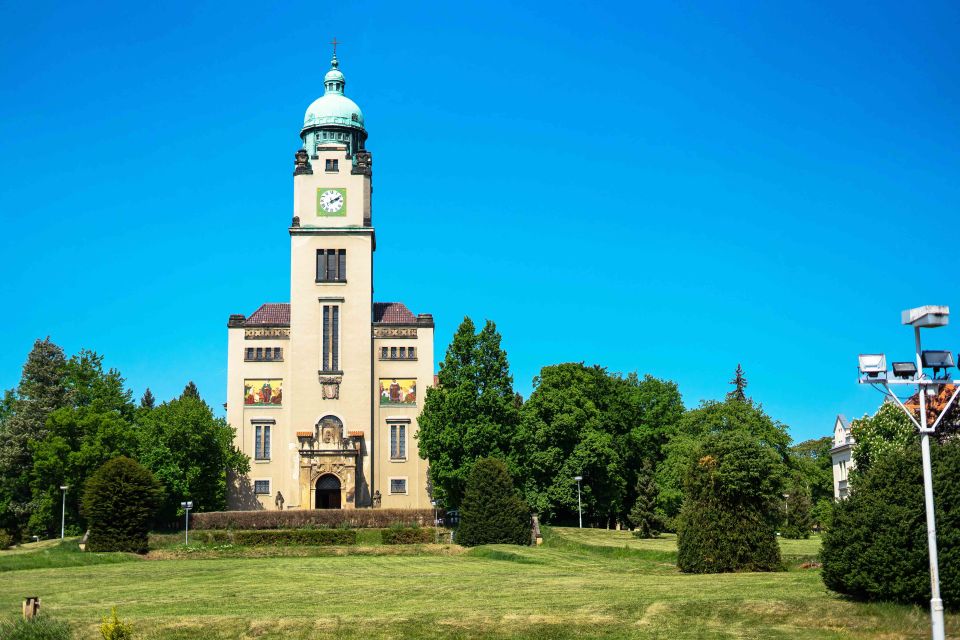
The meeting point is simple to find once you know the address: the gate to the Psychiatric Hospital in Bohnice, Ústavní 91, 181 00 Praha 8. The tour starts right there, so plan your timing like you would for any checkpoint-style meet-up.
By public transport
A straightforward route is metro line C to Kobylisy. From there, take the exit in the direction of Katastrální úřad. Walk to the bus station and take bus 177 (direction Poliklinika Mazurská) or bus 200 (direction Sídliště Bohnice). Get off at Katovická. Then turn back and walk in the opposite direction to the first crossroad. Turn left onto Ústavní street, and you’ll reach the metal gate with number 91.
By taxi
If you’re coming from central Prague, expect something around 350 CZK (about 15 EUR) with Bolt or Uber, based on the tour’s practical guidance.
What to bring
You’ll be on your feet for hours, so pack comfortable shoes. Also bring a reusable water bottle—simple, but you’ll thank yourself if the weather turns.
One practical tip from a recent booking: if it’s raining or you’re done walking, it can be easier to grab an Uber back rather than stretching your energy with public transit.





The hospital tour: medieval ideas, lobotomies, and the Rosenham experiment
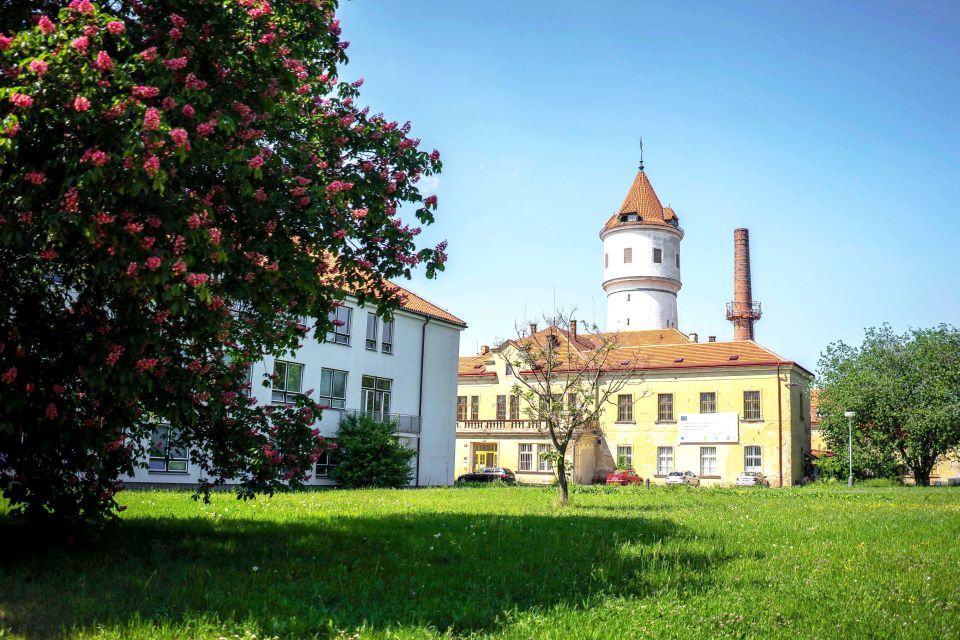
The guided portion runs about 2.5 hours, and it’s structured like a history lesson you can walk through. You’ll be led through the psychiatric clinic’s grounds with a guide who ties the past to the physical spaces you’re seeing.
Expect a timeline that starts earlier than you might guess. The tour includes mystic rituals in medieval times, then moves forward into more “scientific” systems for dealing with mental illness. The point isn’t to make medieval Europe sound cartoonishly evil. It’s to show how each era interpreted suffering through its own lens.
As the story advances, the guide covers methods people used to cure or control mental illness. That includes the era of lobotomies, a procedure that still shocks people because of how drastic and irreversible it could be.
And then comes one of the tour’s most memorable intellectual punches: the Rosenham experiment. If you’ve never encountered it before, this kind of discussion lands hard. You’ll learn how it tested assumptions about diagnosis and how easily labels can steer what institutions “see.”
The effect is that you don’t leave with a list of horrors. You leave with a framework for understanding why certain practices became “normal” inside institutions—and why those practices had human costs.
What you’ll actually hear about patients and wards

This isn’t a generic talk about psychiatry. The guide connects history to people, and that’s where the tour becomes intense.
You should expect stories about infamous patients and cases tied to the hospital. The tour guidance specifically points to past and even more current types of cases occupying the wards, which is part of what makes it feel real and not sanitized.
One reason this works well is the balance between big ideas and specific anecdotes. Your guide isn’t just listing dates. They’re explaining why treatment models evolved, how stigma shaped outcomes, and why institutional thinking often moved slower than individual human need.
Because it’s an operating facility, you also have the chance to encounter the presence of people inside the hospital environment. Recent bookings mention that visitors can be around patients during the visit. That matters: you’re not touring a closed museum. You’re watching history happen in real time, with all the discomfort that comes with that.
The abandoned graveyard stop at Bohnický ústavní hřbitov

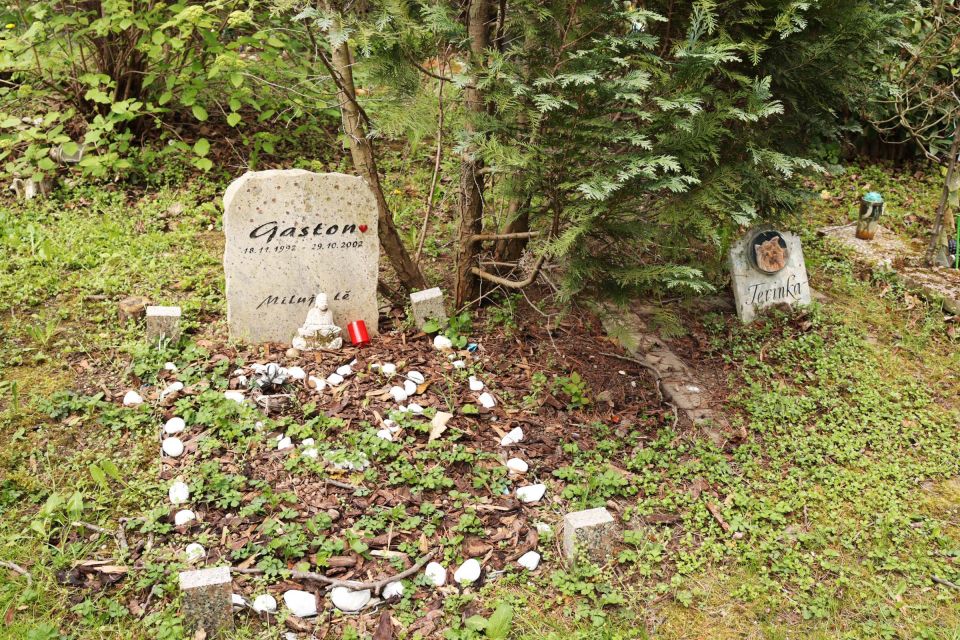
After the main hospital walk, you’ll pass by the Bohnický ústavní hřbitov for about 30 minutes. This is the moment the tone shifts. The cemetery is described as an abandoned graveyard promenade, and that’s exactly the feeling you should plan for: quiet, heavy, and a little unreal.
What makes this stop powerful isn’t just the fact that it’s “abandoned.” It’s what the cemetery represents. It’s connected to an institution that processed many types of people—patients, criminals, and those who ended up inside the system when society couldn’t or wouldn’t provide understanding.
The guide’s storytelling matters here, because it turns scattered details into context. Instead of just looking at a place, you start to understand the institution’s logic—how people were admitted, categorized, and eventually buried within the institution’s sphere.
If you’re the type who gets rattled by dark atmosphere, the cemetery is where that happens. If you’re comfortable with unsettling history, it’s where the tour becomes unforgettable.
Reading the grounds: how to make the walk feel worth it (not just scary)

A tour like this can either land or it can blur. Here’s how to make it land.
First, listen for the guide’s repeated themes. You’ll hear how mental illness was interpreted differently across eras, and how treatment methods tracked those interpretations. When the guide mentions medieval belief systems, lobotomies, and diagnostic assumptions tied to Rosenham, treat it as a continuum, not separate chapters.
Second, pay attention to contradictions. Institutions often believed they were helping while doing harm. Your guide builds that tension on purpose. When you notice it, you start thinking like a historian: what did they know then, what did they assume, and what did they fail to question?
Third, respect the space. This isn’t just “spooky tourism.” Even if you’re curious, keep your voice down. Wear your calm face.
Finally, give your brain a small reset between the hospital section and the cemetery. The hospital discussion can be mentally exhausting. Then the cemetery hits with atmosphere. If you can pace yourself, the experience turns from overwhelming into meaningful.
Price and value: is $32 worth it for 3 hours?
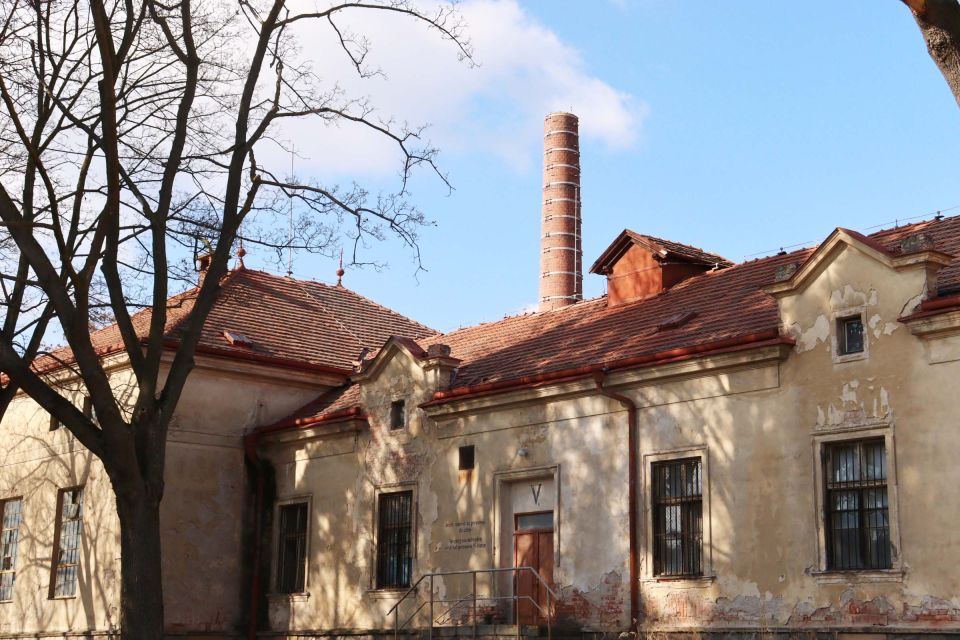
At about $32 per person for roughly 3 hours, you’re paying for three things: a guided education, a walking format, and access to a site that’s not meant for casual sightseeing.
A fair way to judge value here is to compare what you get beyond the “title” of the tour. You’re not just buying a scary walk. You’re getting a guide who connects the history of psychiatry in Europe to methods people used—plus a discussion of the Rosenham experiment and references to lobotomies. That’s specialized content, and it’s delivered in a way you can physically situate in the building and grounds.
Also, the format is practical: you’re outside walking for a set time, so you aren’t stuck in long indoor lectures. And the tour is led by a live English guide, which keeps the learning accessible.
The rating is 4.2 out of 5 across 53 reviews, which suggests consistent quality rather than a one-off hit.
So yes, $32 can be a strong deal—if you’re the kind of traveler who wants context, not just thrills.
Who should book, and who should skip it
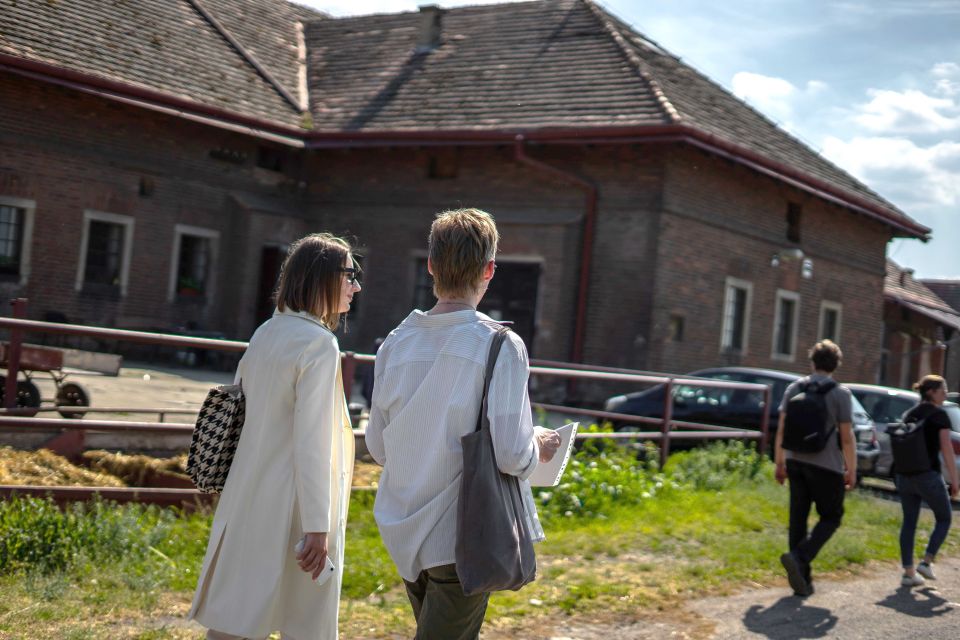
This is best for adults who like social history and want more than a surface-level ghost story. If you care about how science, ethics, and stigma intersect, you’ll get a lot out of this.
You’ll likely enjoy it if you:
- are curious about European history of psychiatry
- like guided walks that connect ideas to real places
- can handle heavy topics without needing everything softened
You should skip it (or at least think hard) if you:
- are traveling with small children, since the tour includes dark history and isn’t recommended for young kids
- need a light, carefree tour day
- get too distressed by the idea of being in an active hospital environment
Quick travel tips before you go
A few small moves can make the day easier.
Wear shoes you trust
You’ll be walking the grounds and promenade. Comfortable shoes are not optional.
Plan for weather
One booking mentions the tour still felt great even with rain. Still, bring the layer you’ll actually wear. If you’re cold, you won’t be able to focus on the guide.
Consider Uber for the return
A guide from one recent review recommended using Uber to come and go. Even if you love public transit, this can make the trip smoother because you’re going farther from the center.
Go in with the right mindset
Try to think of the tour as education plus atmosphere. The spook factor is there, but the real value is the way the guide explains the evolution of psychiatric care and what people did in the name of treatment.
Should you book the Bohnice Hospital and Abandoned Cemetery Tour?
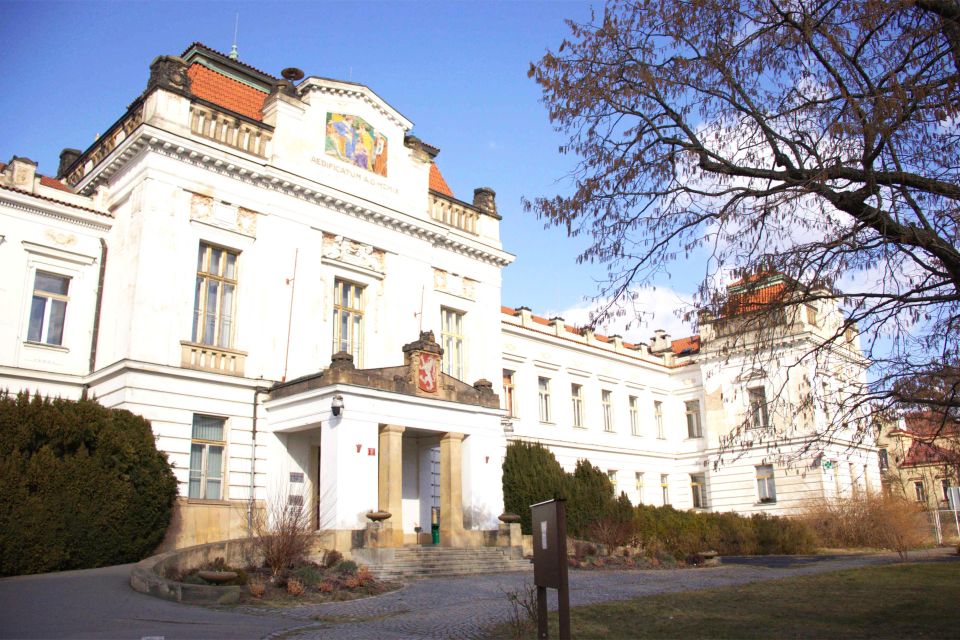
If you want a Prague experience that’s unusual in a thoughtful way, this is a strong pick. The combination of an operating hospital, a guided history of mental-health treatment (including lobotomies and Rosenham), and the eerie stop at Bohnický ústavní hřbitov makes the tour feel specific rather than generic.
Book it if you’re comfortable with difficult history and you like context delivered on your feet. Skip it if you’re looking for a light evening activity, traveling with small children, or you don’t handle heavy topics well.
If you do book, bring good shoes, a bottle of water, and a mindset that says: I’m here to understand how people got it wrong, and how institutions shape what we call “care.”
FAQ
How long is the tour?
The tour lasts about 3 hours, with a guided hospital portion of around 2.5 hours and an additional cemetery promenade pass-by of about 30 minutes.
How much does the tour cost?
It’s $32 per person.
Where do I meet the guide?
Meet in front of the gate to Psychiatric Hospital in Bohnice at Ústavní 91, 181 00 Praha 8.
Is the tour guide in English?
Yes, the live tour guide is listed as English.
Is there a private group option?
Yes, private group availability is offered.
What should I bring?
Bring comfortable shoes and a reusable water bottle.
Is the tour suitable for small children?
No. The tour includes historical facts connected to the dark history of psychiatry, so it is not recommended for small children.
How do I get there by public transport?
Take metro line C to Kobylisy, then go toward Katastrální úřad, take bus 177 or 200 to the Katovická stop, and walk back to Ústavní street until you reach the metal gate number 91.
What’s the taxi estimate from the city center?
The price by Bolt or Uber from the city center is approximately 350 CZK (about 15 EUR).
Can I cancel for a refund, and can I pay later?
Free cancellation is offered up to 24 hours in advance for a full refund. You can also reserve now and pay later.