REVIEW · TEREZIN
Terezin Concentration Camp w/Holocaust Historian SMALL GROUP
Book on GetYourGuide →Operated by Local Historian Tours · Bookable on GetYourGuide
Cold facts, guided with care. This is a small-group Terezín/Theresienstadt tour led by a Holocaust historian, focused on the real places behind the story, not a rushed checklist. I like two things most: you get quality time with the guide, and you cover hard-to-find corners like the Small Fortress and other quieter traces of the war. One drawback to note up front: this is a heavy, emotional site, so you’ll want mental stamina, and it won’t feel like a casual sightseeing day.
The tour runs about 5 hours, with 3.5 hours of guided time at Terezín. You’ll start at metro Ládví (easy reach from central Prague), ride out in a car or minivan, and spend the day moving through the ghetto and prison spaces with clear historical context. If you’re the type who likes bouncing around on your own schedule, this may feel structured; if you want meaning and context, it’s a strong fit.
In This Review
- Key things to know before you go
- Why Terezín/Theresienstadt is different (and needs the right guide)
- Getting to metro Ládví and why this start time matters
- Walking the Jewish ghetto with real context, not a script
- Inside the Small Fortress: a Gestapo prison for political prisoners
- Hidden places you’ll want on your mental checklist
- How the guide keeps it respectful and manageable
- What about museum entrance and the ticket line?
- Price and value: is $114 worth it?
- Who this tour suits best (and who might rethink it)
- Should you book this Terezín/Theresienstadt small-group tour?
Key things to know before you go
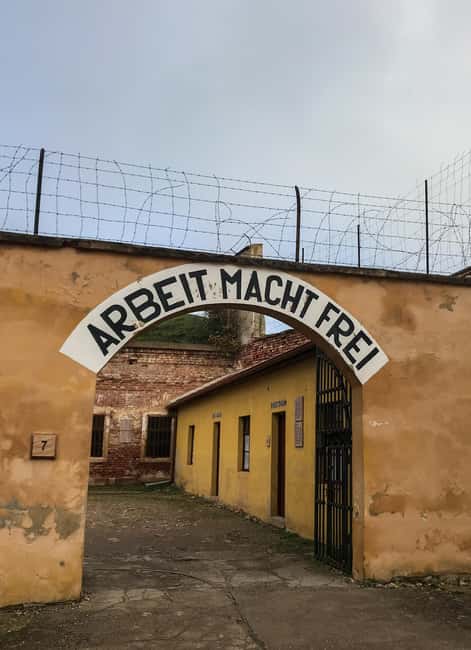
- Very small group (up to 6) with room for questions
- Holocaust historian guide who keeps the narrative respectful and clear
- Small Fortress visit, described as a Gestapo prison for political prisoners
- Jewish ghetto route, including areas tied to more than 35,000 deaths
- Beyond the usual routes, including places like the prayer room (synagogue), national cemetery, and the former railway remains
- Ládví pickup by car/minivan to help you avoid timing stress
Why Terezín/Theresienstadt is different (and needs the right guide)
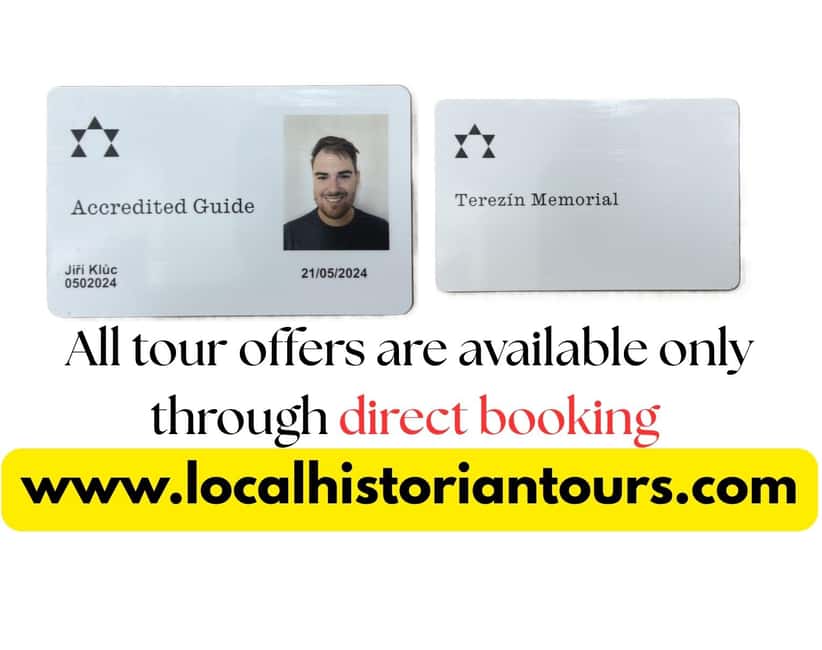
Terezín isn’t just another concentration-camp stop. It’s one of the major concentration camps in Nazi Germany’s system, and it’s also described here as the largest former concentration camp in today’s Czech Republic. That scale matters, but what matters more is how the day is framed: you’re shown places that connect daily life, imprisonment, and political violence to a concrete geography you can actually walk through.
I also like the tour’s “less talking, more place” approach. With a historian leading in a very small group, the story doesn’t get watered down, and it doesn’t become a lecture where you’re stuck listening for hours. Instead, you’re guided through what you can see—streets in the ghetto, prison spaces in the Small Fortress, and other surviving remnants that many visitors miss.
That said, come prepared for a serious tone. The guide is not treating this as dark tourism. Expect the day to be intense, emotional, and sometimes difficult to process. If you usually cope by skipping heavy details, you may feel pushed.
You can also read our reviews of more tours and experiences in Terezin.

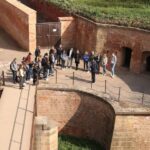
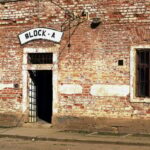
Getting to metro Ládví and why this start time matters
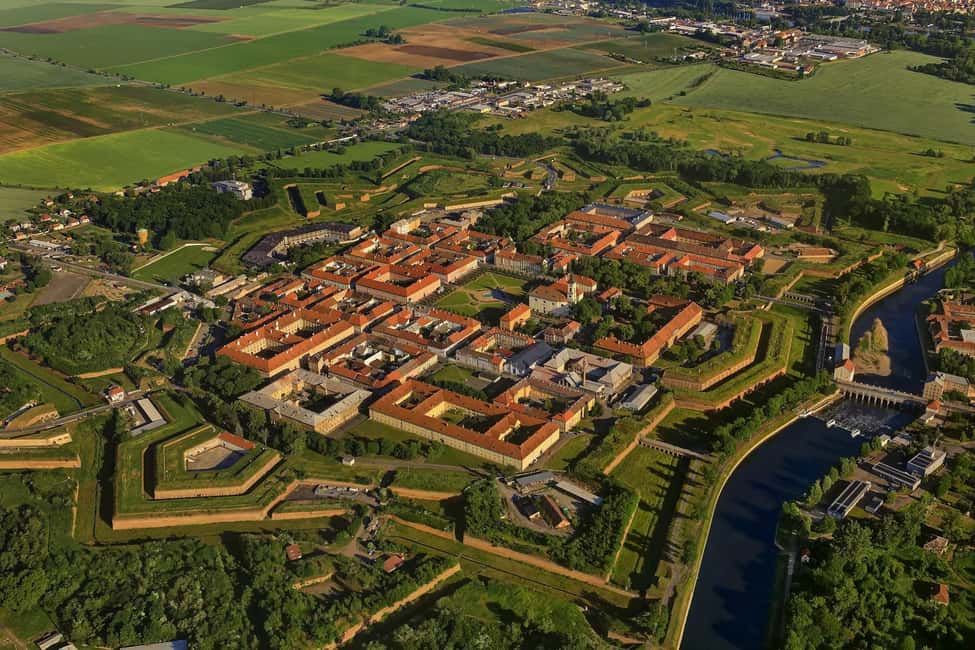
The meeting point is metro Ládví, where the guide picks you up with a car. This is a smart setup for people staying in or near Prague’s center, because you can get there quickly by metro—around 10 to 15 minutes—instead of trying to wrestle with parking or uncertain traffic.
One practical tip: the tour avoids traffic when possible, which means more time for the site itself. If you ask for a pickup from Old Town instead, you could run into traffic delays. So if you want the day to feel calm, base yourself on the Ládví meeting point and let the schedule breathe.
You’ll also receive detailed instructions the day before. That matters more than you’d think, especially on days when the tour depends on a precise pickup moment.
Walking the Jewish ghetto with real context, not a script
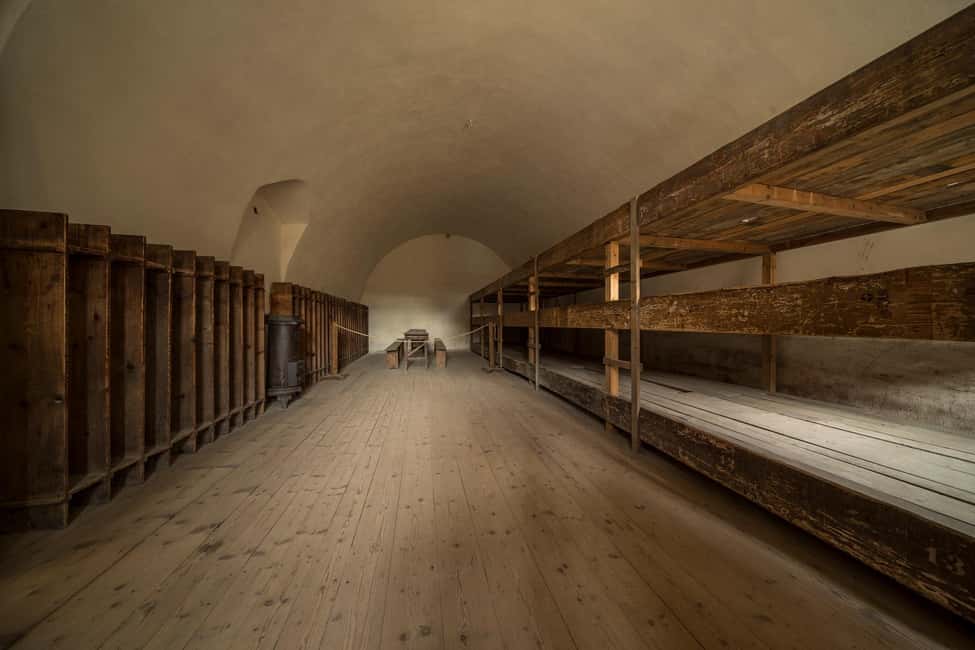
The core of the experience is a guided walk through the Jewish ghetto at Terezín/Theresienstadt. The emphasis here is not just “this is where people were confined,” but what those spaces meant—how they shaped life, fear, movement, and survival. The tour highlights that over 35,000 people perished in the ghetto, and the guide’s job is to hold that fact in a human, historical framework that doesn’t feel like a statistic dumped on you.
What makes this section valuable is the way it’s done as navigation, not just narration. You’re not meant to stare at plaques from afar. You’re guided through the layout so you can understand how a ghetto functions as both a physical barrier and a psychological one.
For you, that means two things:
- You’ll likely come away with better mental “maps” of where key parts of the story sit.
- You’ll understand why the tour’s focus on the “concentration camp as a system” is important, rather than treating each location as a separate tragedy.
If you’re visiting with kids or teens, this part can be handled thoughtfully. The guiding style here is described as suitable for both adults and children, which usually means you won’t be talked down or left completely lost.
Inside the Small Fortress: a Gestapo prison for political prisoners
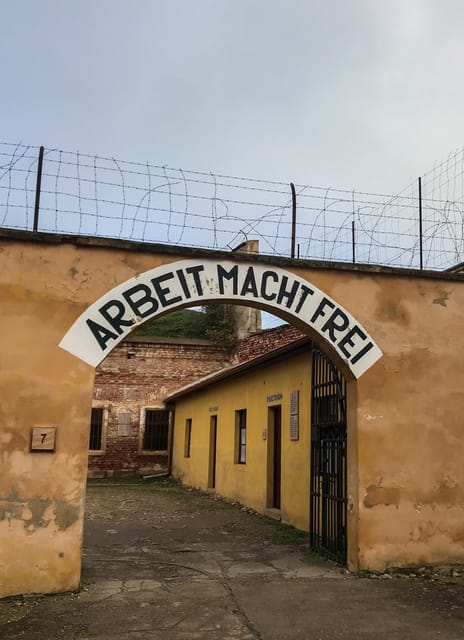
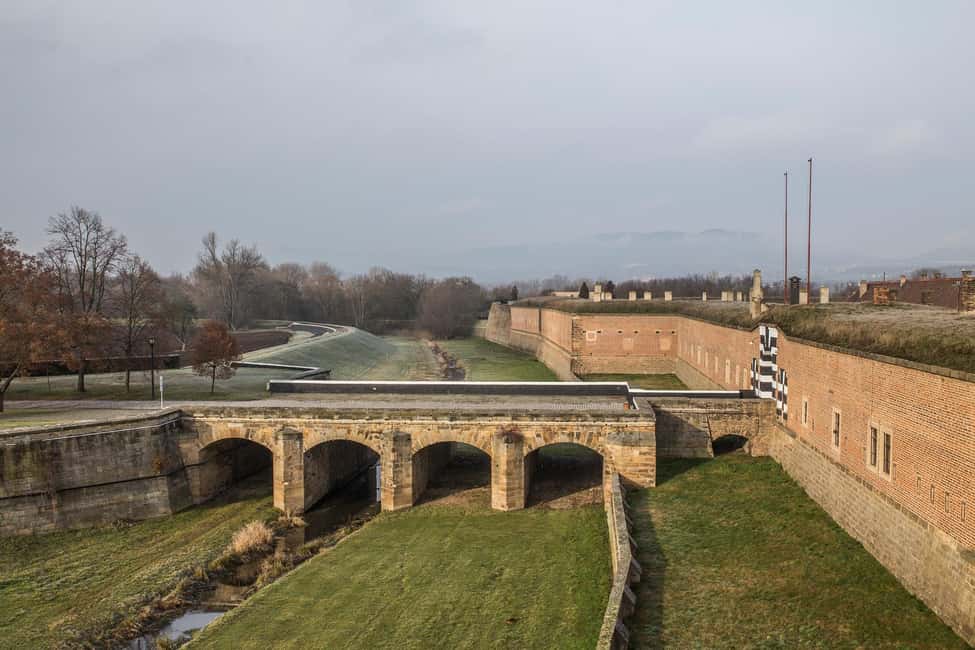
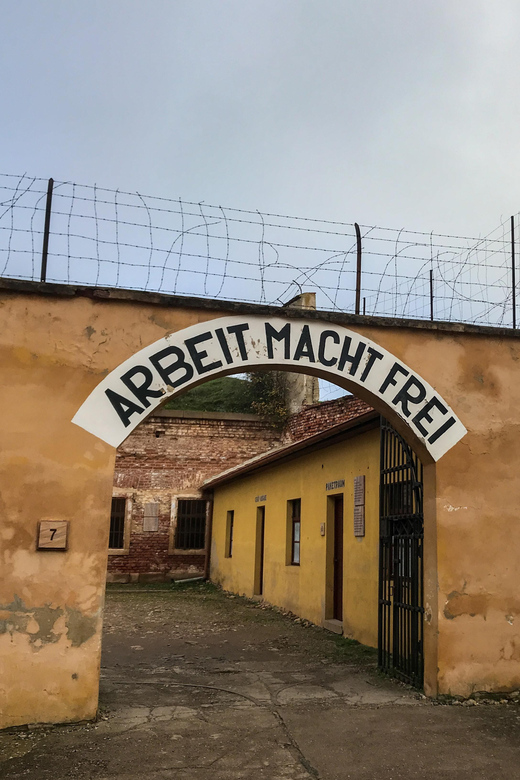
Next up is the Small Fortress, described as a Gestapo prison for political prisoners. This is a tough stop, because prison spaces tend to reduce people down to time, control, and punishment. But with a historian running the show, the tour avoids vague horror. It places the prison in its historical role so you understand what the site was designed to do.
Also, this is where you start seeing why the tour promises to go beyond conventional routes. Many visitors stick to the most obvious areas. Here, you’re guided to the kinds of locations that often get overlooked because they’re quieter—or because visitors don’t realize what they’re looking at.
A practical note: the Small Fortress and related prison spaces can feel physically and emotionally dense. If you’re the type who gets overwhelmed, pace yourself. Ask questions. Let the guide explain without rushing. The small group size helps with that.
Hidden places you’ll want on your mental checklist
One of the tour’s strongest selling points is attention to sites that aren’t always part of the standard tourist circuit. You’ll explore traces of war in less obvious, historically significant spots—places that make the story feel like more than a single highlight reel.
The specific stops called out include:
- a hidden Prayer Room (Synagogue)
- the National Cemetery
- the remains of the former railway to the Ghetto
Why those details matter: places of prayer, remembrance, and transport connect different sides of life under persecution—spiritual identity, death and commemoration, and the machinery of movement. Instead of only learning about confinement, you learn about what was taken, what remained, and how history leaves physical traces you can still follow.
The prayer room stop is especially meaningful for many people because it moves the story beyond confinement and into everyday culture and belief, even under extreme conditions. The national cemetery helps you understand how memory is handled over time. And the railway remains ground the history in logistics—how people were moved as part of a larger system.
How the guide keeps it respectful and manageable
This is led in English by a professional historian, and it’s built around the idea that quality beats quantity. In practice, that means the guide isn’t trying to cover everything with a fast pace just to “hit the highlights.” Instead, you get time to understand what you’re seeing and why it matters.
In small groups, you also get more room for real questions. If you’ve ever been stuck in a large tour where you can’t ask anything, this is the opposite. It’s limited to 6 participants, and on quieter dates it may even run like a near-private experience.
That pacing is especially important on a site like Terezín, where some visitors get emotional quickly. If you need a moment, you’ll have the chance to slow down and re-center without feeling like you’re holding up a massive crowd.
What about museum entrance and the ticket line?
The tour includes a skip the ticket line benefit, but museum entrance is not included. That means you should plan on paying for any on-site museum access separately if you want to go inside museum spaces beyond what’s covered by the guided walk.
Because this detail can affect your final cost, look at your preferred level of museum time before booking. If you mainly want the guided route through ghetto and fortress areas, you may be able to keep extra costs minimal. If you’re the type who loves indoor interpretation, you’ll likely want to add museum entry.
Price and value: is $114 worth it?
At $114 per person, you’re not just paying for a driver. You’re paying for a historian, a very small group, transportation by car or minivan, water, and the fees and taxes tied to the tour operation.
Here’s how I think about the value:
- If you’re traveling as a small group of two to four, you’re likely getting a more personal experience than a big-bus format would allow.
- If you care about historical context, the historian guide can be the difference between reading signs and truly understanding the site.
- If you dread traffic and time-wasting transfers, the Ládví pickup and “avoid traffic” approach protects your day.
The main cost caveat is museum entrance being separate. So your true total might be a bit higher depending on what you want to enter and how long you want to spend inside.
Who this tour suits best (and who might rethink it)
This tour fits best if you want:
- a Holocaust historian in English
- a route focused on major sites plus quieter traces like the prayer room and cemetery
- enough time to understand what you’re seeing rather than sprinting through
It’s also a good option if you’re traveling with children or teens who need explanations that fit their level, because the guide style is described as suitable for both adults and children.
You might reconsider if:
- you want a purely casual, self-guided experience
- you hate emotionally intense sites
- you’re strict about minimizing all possible extra costs, since museum entrance is not included
Should you book this Terezín/Theresienstadt small-group tour?
If you’re aiming for a meaningful visit—one that teaches you how the ghetto and Small Fortress fit into the larger Nazi system—this is a strong choice. The small group size, English historian guidance, and extra stops like the prayer room, national cemetery, and former railway remains give you a fuller picture than the simplest route.
I’d book it if you value context and hate the feeling of being herded. I’d think twice if you’re looking for light sightseeing or you’re not ready for an intense day. Either way, plan for a serious outing and bring your attention, not just your camera.