REVIEW · TEREZIN
Terezin concentration field excursion
Book on GetYourGuide →Operated by Los Torres s.r.o. · Bookable on GetYourGuide
Terezín hits hard, in the best way. This 6-hour trip from Prague area (meeting at V Celnici 4) takes you through the fortress system used for Nazi political and racial persecution, with context that starts even before you arrive. You’ll connect the story to what you’re seeing on-site, not just walk past stone and signs.
I love the way the guide builds understanding step by step: the ride includes historical and technical context that you’ll keep hearing again at the memorial. I also like the tour’s focus on how the Jewish ghetto inside the main fortress worked differently from the concentration camp system.
One consideration: this is heavy material, and the route includes places tied to executions and confinement. Expect a somber tone, and plan for more walking than a typical museum-only afternoon.
In This Review
- Key points to know before you go
- From V Celnici 4 to Terezín: the ride briefing that matters
- Terezín Memorial Museum: names and facts you can carry with you
- The main fortress: when a city became a ghetto
- Cemetery complex and the national cemetery: sorting ghetto vs. field
- The small fortress and the Lecca resistance area
- Administrative courtyard to prisoners’ areas: following the route in order
- Shooting field and residential areas: why the last stops linger
- Price and logistics: is $68 worth it?
- Who should book this excursion
- Should you book the Terezín concentration field excursion?
- FAQ
- Where is the meeting point for the tour?
- What time does the excursion start and how long is it?
- What language is the live guide?
- What major places will I see at Terezín?
- Is transportation included?
- Are entry tickets included?
- Is it wheelchair accessible, and are pets allowed?
- Should I ask for a refund if plans change?
Key points to know before you go
- A prisoner-style route: you follow the same kinds of spaces prisoners moved through, including an administrative courtyard start.
- Main fortress as the ghetto: the big fortress is presented as the Jewish ghetto, not just a general exhibit.
- Small fortress linked to resistance: the Lecca resistance connection gives the day a clear second thread beyond the ghetto.
- Ghetto vs. camp explained on the ground: you get help sorting terms while you’re actually standing in the relevant areas.
- Casematas de la Fortaleza: you pass through fortress casemates that help you understand why this place functioned the way it did.
- Clear, respectful Spanish guiding: one guide tied to this experience, Eric Pappalardo, is known for calm, clear explanations.
From V Celnici 4 to Terezín: the ride briefing that matters
Your day starts at V Celnici 4, and you begin with a meeting time of 9:00 in the morning. The timing matters here. By the time you reach the fortress complex, you’re not meeting the story for the first time.
Even on the way, you get historical and technical details that connect directly to what you’ll see later. You’ll also pass by the monument to the actors of the Anthropoid Operation, which helps set up the broader WWII context before the fortress names and structures take over your attention.
This kind of pre-brief doesn’t just add trivia. It changes how you read the site, because you’ll know what you’re looking for when you reach the museum rooms, corridors, and courtyards.
You can also read our reviews of more tours and experiences in Terezin.
Terezín Memorial Museum: names and facts you can carry with you
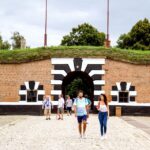
The first on-site stop is the Terezín Memorial Museum in the ghetto area. Plan for a guided visit that includes a photo stop and then a structured walkthrough, so you’re not wandering or guessing what’s important.
This part of the day is where the experience turns from place to people. The memorial’s mission is to commemorate victims of Nazi political and racial persecution during the occupation of Czech lands, and the museum and educational focus reflect that purpose.
What I like about starting here is that the site can otherwise feel like an architectural maze. With names, facts, and guided interpretation, you start forming mental categories fast: who was targeted, what the Nazi system did, and why the fortress layout mattered.
If you want the day to feel coherent, this is your foundation stop. It’s the difference between seeing cells and understanding why confinement was engineered that way.
The main fortress: when a city became a ghetto
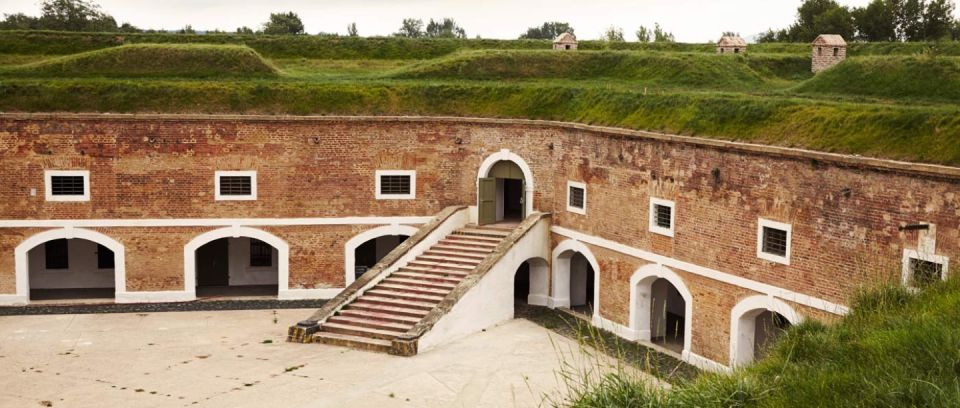
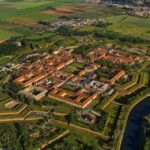
The highlights are explicit for a reason, and the main fortress is the big one. You’ll see the fortress described as the Jewish ghetto, which is a crucial framing. This isn’t a generic WWII stop; it’s presented as a place where a whole community was forced into a sealed, controlled reality.
As you move through the areas linked to the ghetto, the guide’s job is to keep you from treating everything as the same thing. The tour doesn’t just point out walls. It connects the purpose of the spaces to the experience of those imprisoned there.
One strong practical benefit: once you grasp how the ghetto functioned inside the fortress, the later concentration camp explanation lands better. You’ll catch the shifts in control, paperwork, confinement style, and daily survival pressure.
This part of the day can be emotionally intense, but it’s also clear. The site is used as an organized lesson, not just a place to absorb in silence.
Cemetery complex and the national cemetery: sorting ghetto vs. field
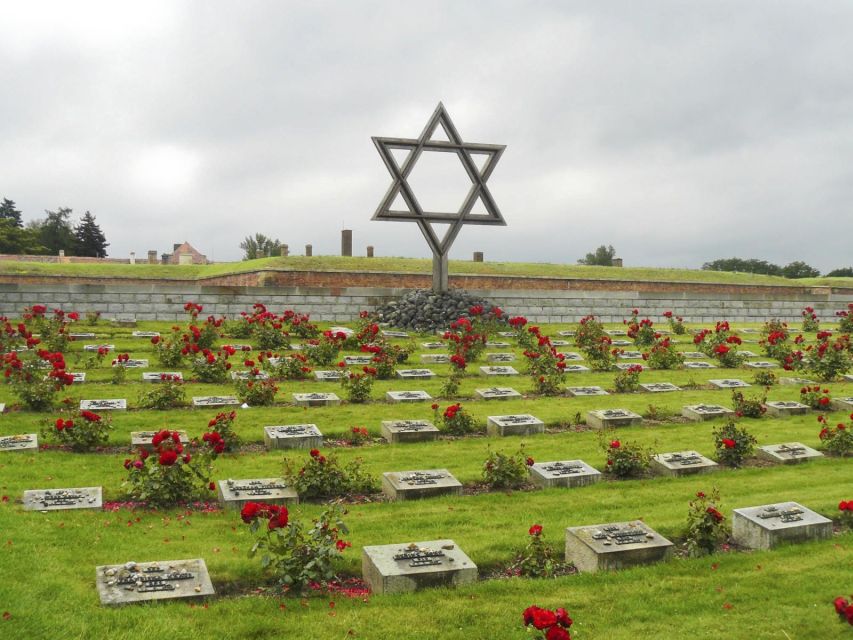
After the museum work, the tour continues toward the national cemetery. Here, the guide explains differences between the ghetto and the field, and you’ll do that while you’re in the right setting—not in abstract terms back at your hotel.
You’ll also hear explanations tied to figures, motives, and methods at the cemetery complex. Even if you only catch a few of the names and themes, it helps you understand that the system was not accidental. It was organized, planned, and carried out by people.
This segment is where the tour becomes especially useful for first-timers. Terezín can be confusing at a glance, because it’s a fortress complex with multiple roles over time. A guide who can draw the lines between terms is worth its weight in information.
If you’re the type who likes to leave with clearer vocabulary, you’ll appreciate this stop. The ghetto-versus-field breakdown is one of the reasons this excursion feels more than a basic sightseeing circuit.
The small fortress and the Lecca resistance area
The small fortress is included as part of the planned route, and it’s presented as the field of Lecca resistance. That matters because it adds a second layer to the day: survival and resistance, not only confinement.
How this helps you: it keeps Terezín from becoming a single-note story. You still face the Nazi persecution reality, but you also get a direct link to resistance activity associated with the site’s role.
This section is not about turning suffering into spectacle. It’s about using the space to tell multiple truths: what was done, how people responded, and how the fortress system shaped both outcomes.
If you’re worried the tour might feel like it’s only about the most famous pieces, this is one reason to feel confident. The route is built to cover more than one “purpose” within the fortress complex.
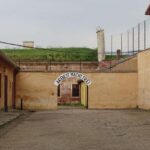
Administrative courtyard to prisoners’ areas: following the route in order
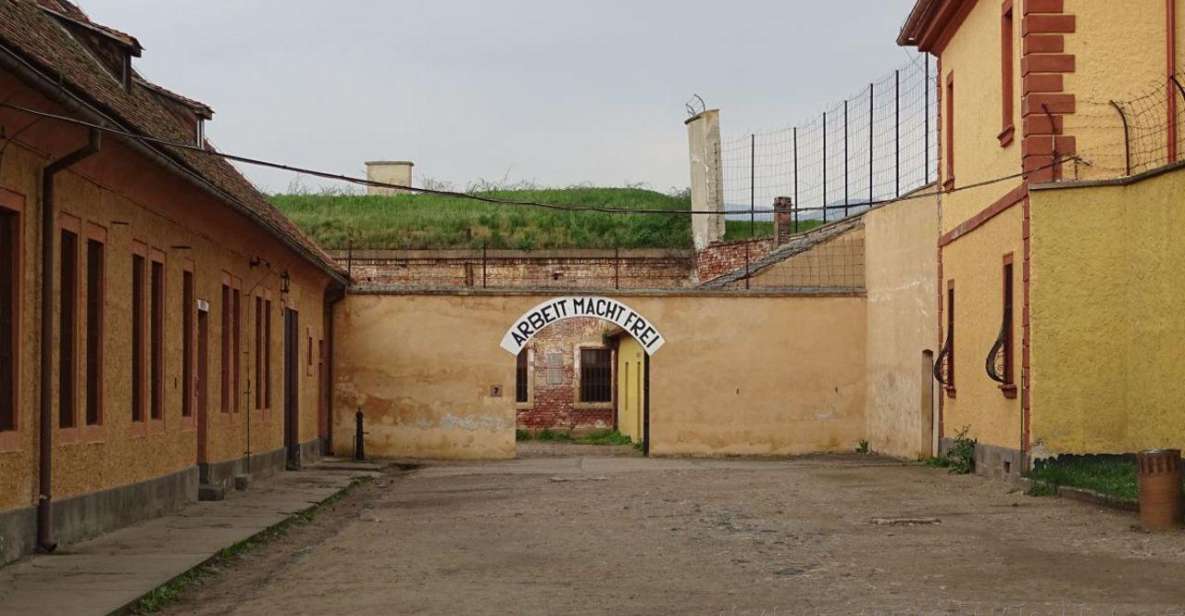
The concentration camp portion is guided with a specific logic. You visit it following the same route prisoners followed, starting in the administrative courtyard.
This is a big deal for how the day feels. When you see an administrative space first, it’s easier to understand that imprisonment wasn’t just brute force. It was also systems: sorting, control, routine, and bureaucracy.
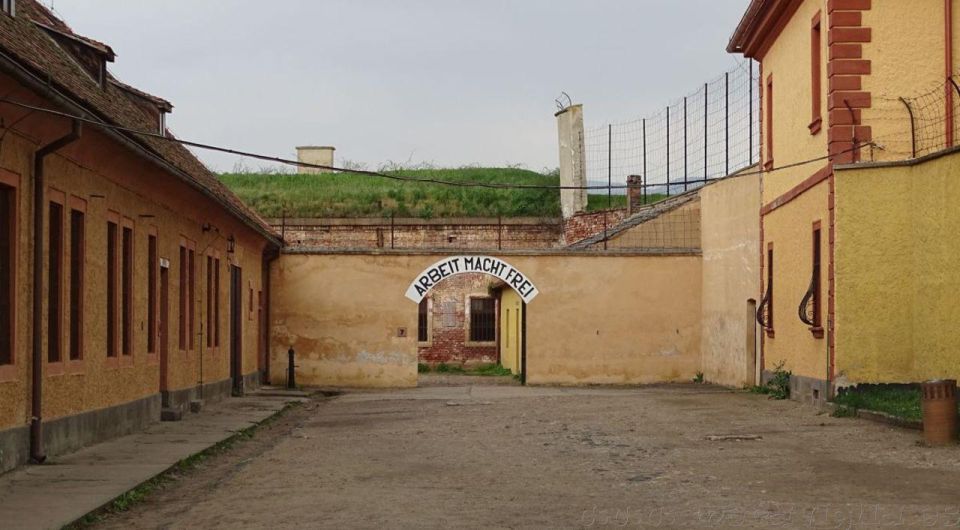
After you reach the administrative courtyard, you’ll continue past the area marked by Arbeit Macht Frei and then move to the prisoners’ areas. That sequence helps you understand how entry and control were staged, not just where people ended up.
You’ll also pass through the Casamatas de la Fortaleza. The casemates are a practical stop because they show the architecture that made the fortress functional for detention. Even without technical jargon, the space helps you grasp why these walls worked.
Then you move toward the shooting field and reach a part of the residential area. That final stretch can feel heavy, but the ordered walk gives you context rather than random shock.
Shooting field and residential areas: why the last stops linger
The shooting field is one of the hardest places you’ll visit on this excursion. The tour’s pacing matters here because you’re not dropped in without guidance. You’ve already been taught how the site’s categories fit together, so the later stops aren’t just a list of painful labels.
After that, you reach a part of the residential area. That detail might sound like a small pivot, but it’s part of the education approach: fortress spaces weren’t only for processing and confinement. They were also used to shape day-to-day living under coercion.
I like tours that don’t end with the most dramatic location and call it a day. Here, the tour keeps working until you understand how the fortress layout connected different functions.
By the time you finish and head back, you’re left with a clearer model of the whole system, not just isolated rooms.
Price and logistics: is $68 worth it?
At $68 per person for a 6-hour, guided, round-trip excursion with entries included, this is solid value if you want more than self-guided wandering. You’re paying for interpretation, route structure, and access to memorial sites in a planned sequence.
The time commitment is also realistic. Six hours is long enough to cover museum work, fortress areas, and the concentration camp route without rushing every minute. It also means you can still do something else later in the day in Prague, depending on your stamina and mood.
Language is Spanish, with a live guide. If you don’t read much Spanish, this can still work if you’re comfortable listening and taking notes, but your experience will be smoother if you can follow basic explanations.
One more practical thought: this is not a quick “tick the box” tour. It’s designed for education and remembrance, so treat it like one important appointment, not casual sightseeing.
Who should book this excursion
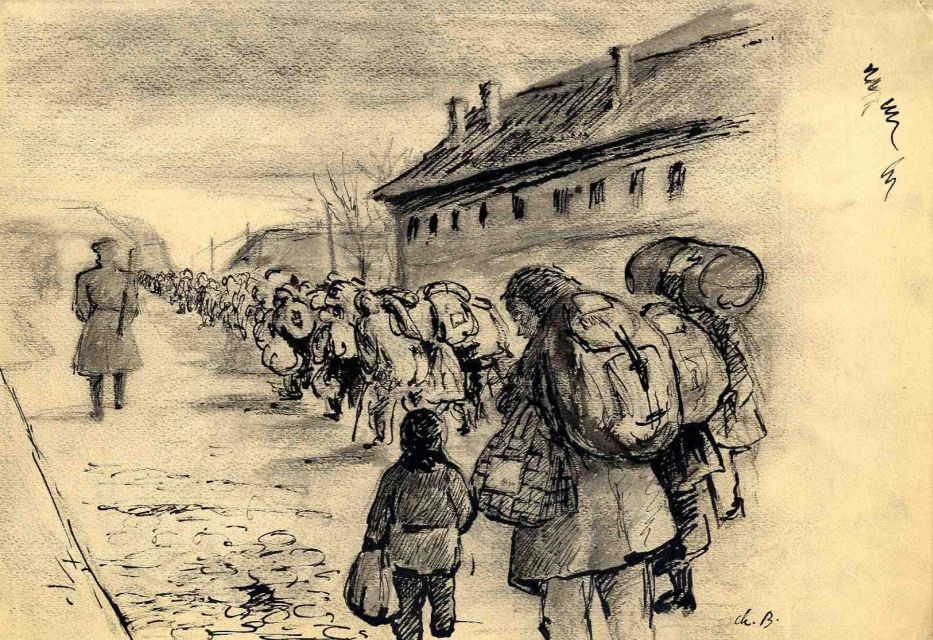
I think this tour fits best if you want structure. If you like guided interpretation that helps you understand the difference between terms like ghetto and field while you’re physically in the spaces, you’ll get a lot from this route.
It’s also a good match if you care about the human-meaning side of visiting memorial sites, not only the architecture. The museum framing and the careful progression through administrative and prisoners’ areas make it a learning-focused outing.
If you prefer upbeat tours or want to keep things light, this might not be your day. Terezín is built for remembrance, and the experience is intentionally serious.
Should you book the Terezín concentration field excursion?
Yes, if you want a guided, organized visit that makes the fortress system understandable. The combination of a memorial museum start, a clear main-fortress ghetto framing, and the concentration camp route in order gives you the kind of clarity that’s hard to achieve alone.
Book it also if you appreciate strong, respectful guiding. With guides associated with the experience like Eric Pappalardo getting singled out for clarity and respect, you’re more likely to come away with real understanding, not just dates and labels.
Skip it if you’re not ready for a heavy subject or if you want something purely architectural. You’ll still see the spaces, but the purpose is remembrance and education first.
FAQ
Where is the meeting point for the tour?
The tour meets at V Celnici 4.
What time does the excursion start and how long is it?
The itinerary begins at 9:00 in the morning and lasts 6 hours.
What language is the live guide?
The live tour guide speaks Spanish.
What major places will I see at Terezín?
You’ll visit the Terezín Memorial Museum and see both the main fortress (presented as the Jewish ghetto) and the small fortress area linked to the Lecca resistance, along with the concentration camp route components such as the administrative courtyard and the shooting field.
Is transportation included?
Yes. Round-trip transportation is included.
Are entry tickets included?
Yes. Entries to the facilities are included.
Is it wheelchair accessible, and are pets allowed?
The tour is wheelchair accessible. Pets are not allowed.
Should I ask for a refund if plans change?
Free cancellation is available up to 24 hours in advance for a full refund.