REVIEW · PRAGUE
Operation Anthropoid Tour or Terezín Concentration Camp Tour
Book on GetYourGuide →Operated by DH Travel s.r.o. · Bookable on GetYourGuide
Operation Anthropoid has a church crypt, and it’s haunting in the best way. This guided stop ties Prague to one of World War II’s most daring resistance operations, then connects that story to what happened to the people caught in the machinery of Nazi terror. You start at St. Cyril and St. Methodius, then (often the same day) you head to Terezín—a fortress that became a concentration camp.
What I like most is the way the tour builds meaning, not just sightseeing. You get expert guidance (with names like Michael, Mike, Dominic, and Radim popping up in how groups describe the experience) and you’re guided through the crypt and museum context so you can follow the events without getting lost in facts.
One consideration: this is emotionally heavy, and the experience can feel more or less moving depending on how much dialogue and Q&A your guide enables. If you want lots of conversation, choose a private group or come with specific questions.
In This Review
- Key things that make this tour worth your time
- Operation Anthropoid at St. Cyril and St. Methodius: where Prague meets the resistance
- The crypt visit: why this stop hits differently
- Terezín: a fortress turned into a system of control
- Big Fortress: the ghetto-concentration camp area and its meaning
- Small Fortress: the Gestapo prison side of Terezín
- Cemetery and survivor stories: the part that refuses to stay abstract
- Guides make the difference: from Michael and Radim to Dominic
- Price and value: why $23 can be a smart deal (if it matches your style)
- Who this tour fits best
- How long should you plan?
- Should you book the Operation Anthropoid and Terezín tour?
- FAQ
- Where do I meet my guide?
- Is the tour available in English?
- How long is the tour?
- Does it include private transfers from Prague?
- What does the Operation Anthropoid tour include?
- What does the Terezín concentration camp tour include?
- Does the tour include the cemetery?
- Is there an option for a private group?
- What’s the cancellation policy?
- Can I reserve without paying right away?
Key things that make this tour worth your time
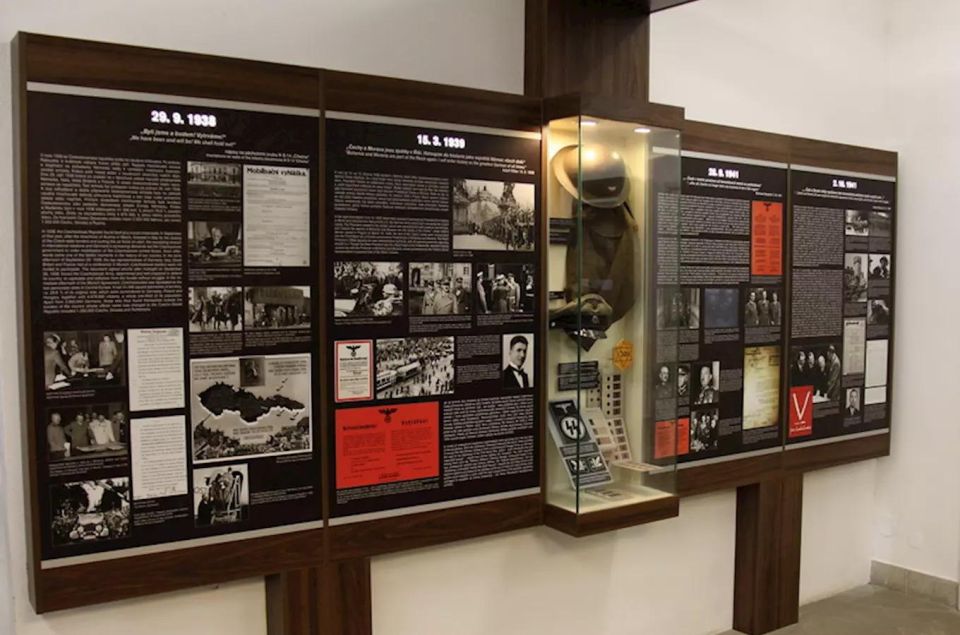
- Operation Anthropoid, in the exact place the story points to: Church and crypt visit focused on the resistance operation tied to Heydrich.
- Big Fortress vs Small Fortress: You’ll see how Terezín split into a ghetto-concentration camp area and a Gestapo police prison area.
- Museum stops that ground the visit: The Terezín portion includes the Ghetto museum, Magdeburg barracks, and crematorium.
- Cemetery visit + survivor stories: These parts help the tour land with human weight, not just bricks and dates.
- English live guiding with real interaction: Reviews highlight guides who answer questions and keep the narrative clear.
- Convenience of transfers: Private pickup and drop-off from your Prague accommodation helps you focus on the day, not logistics.
Operation Anthropoid at St. Cyril and St. Methodius: where Prague meets the resistance
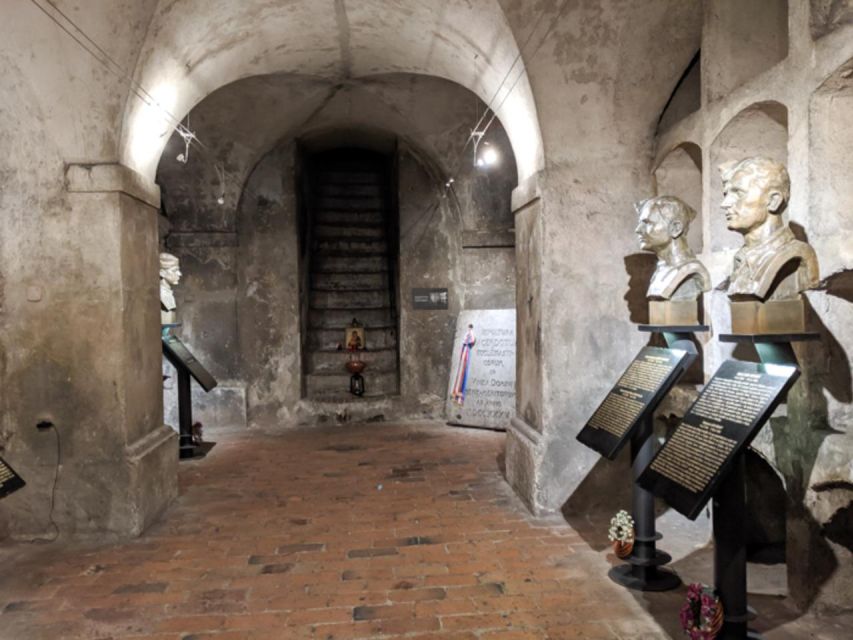
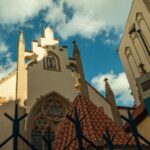
The heart of this part of the tour is the Church of St. Cyril and St. Methodius, a site you might walk past without realizing how central it is to the Operation Anthropoid story. This tour uses the church as a narrative anchor, so the mission to assassinate Reinhard Heydrich doesn’t stay stuck in a history book. You’re not just hearing about the plot—you’re being shown how the story connects to people, places, and choices made under extreme pressure.
What makes this work well for your trip is the cause-and-effect structure. You start with the operation, you’re guided through the setting and supporting context, and then you have a natural bridge to Terezín. If you’re short on time in Prague, this order also makes the day feel coherent rather than like two separate tours stitched together.
You can also read our reviews of more tours and experiences in Prague.

The crypt visit: why this stop hits differently
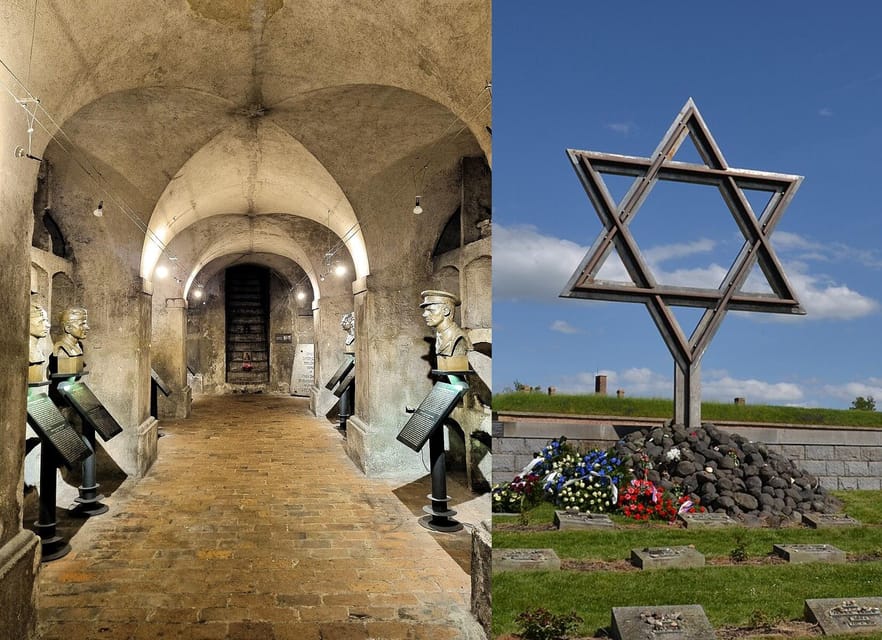
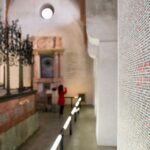
The standout moment for many people is the visit to the crypt beneath the church. It’s not a random add-on. It’s where the tour slows down and lets the story land at human scale. The crypt area gives the resistance story a sense of closeness—less grand strategy, more real-life stakes.
Expect the guide to connect details to the bigger picture: how the resistance operated, why secrecy mattered, and how the Nazi regime responded. The tour description emphasizes retracing the steps tied to Czechoslovakian resistance fighters involved in the assassination, and the crypt setting helps you grasp why those steps were so dangerous.
A small practical tip: plan to listen hard in the crypt portion. It’s easy to want to take photos or rush ahead, but this is the part where thoughtful attention pays off.
Terezín: a fortress turned into a system of control
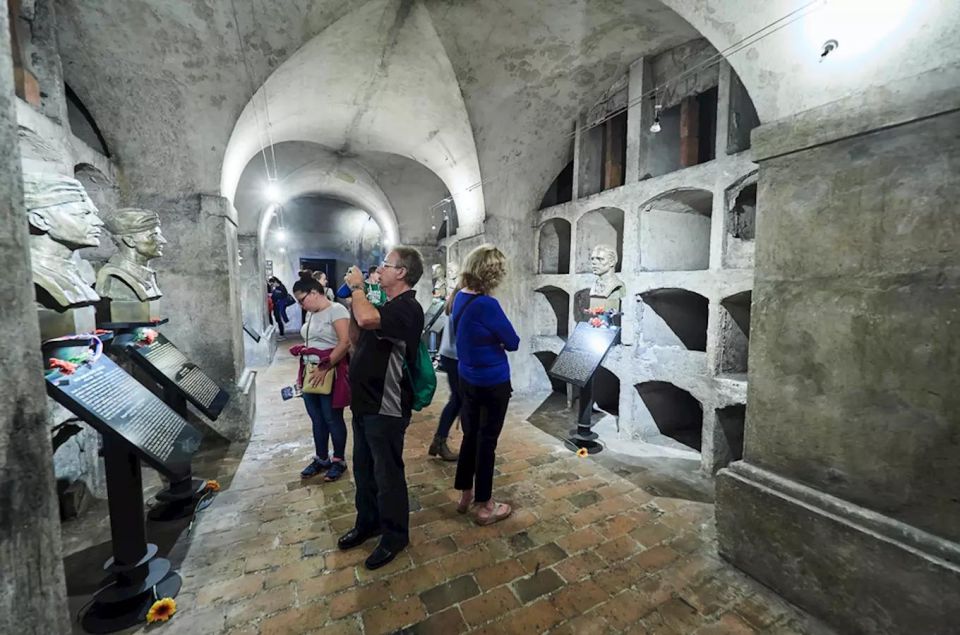
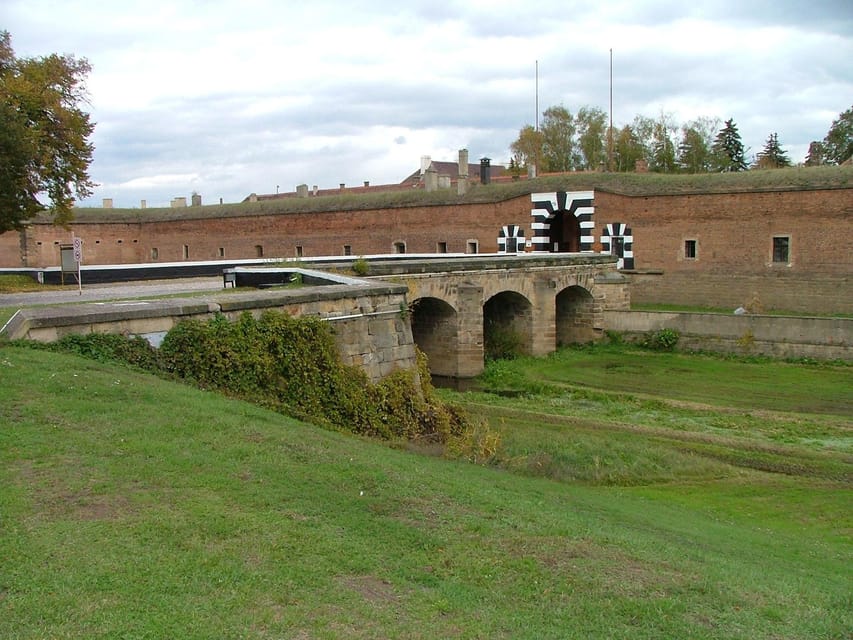
Once you switch from Operation Anthropoid to Terezín, the tone shifts fast. Terezín began as a military fortress built in the 18th century and then became a concentration camp during World War II. What I think you’ll find most clarifying is how the tour doesn’t treat Terezín as one monolithic place. Instead, it shows the separate functions of different areas, especially through the Big Fortress and Small Fortress split.
This distinction matters because it changes how you understand daily life there. One side relates to the ghetto-concentration camp reality for Jews, and the other side connects to a Gestapo police prison function. When the guide keeps that structure in view, the visit makes more sense—even if you’re learning the story for the first time.
Big Fortress: the ghetto-concentration camp area and its meaning
In Terezín, the Big Fortress is presented as the portion that became a ghetto-concentration camp for Jews. This is the area where the tour’s museum components can feel especially heavy because they point to how community life was distorted, controlled, and exploited.
On the tour you’ll also encounter museum-style stops that help make the space more legible. The included sites are the Ghetto museum, Magdeburg barracks, and Crematorium. These are not just “rooms to tick off.” They give you anchors—visual and interpretive points that turn the fortress walls into a documented system with procedures and consequences.
If you’re the type who likes structure, you’ll likely appreciate how the tour keeps returning to the differences between places and uses. That’s the fastest path to understanding what you’re seeing.
Small Fortress: the Gestapo prison side of Terezín
Then comes the Small Fortress, described as the area used as a Gestapo police prison. This part adds a different flavor of terror to what you’ve already learned. If the Big Fortress shows one kind of cruelty—forced confinement and ghetto life turned into a concentration-camp setting—the Small Fortress adds another layer: interrogation, punishment, and the machinery of policing.
The tour format helps here too. Since the experience is guided, you’re less likely to walk through the Small Fortress treating it like a generic historic complex. Instead, you’re being pointed toward how the Nazis organized detention and control.
Practical note: you’ll likely spend a good amount of time walking between fortress areas and museum points. Wear comfortable shoes and expect a long, steady day—especially if you choose the “ultimate one day tour” combination.


Cemetery and survivor stories: the part that refuses to stay abstract
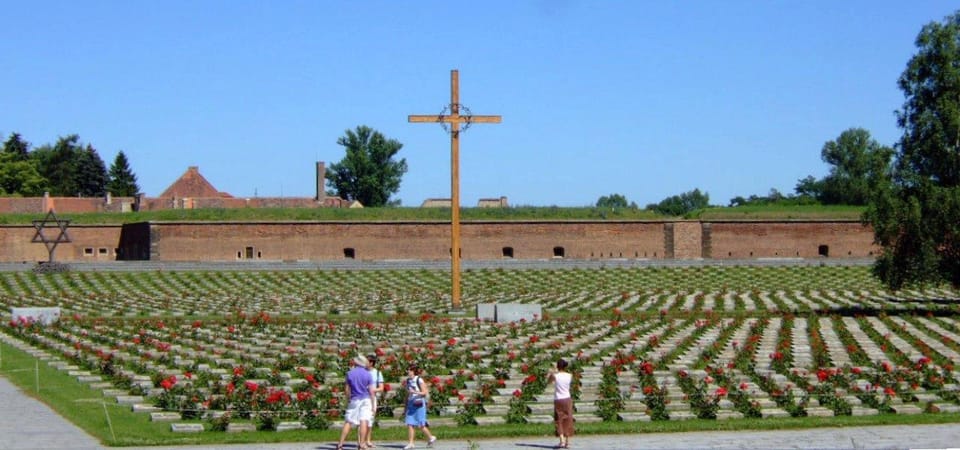
Two elements stand out in the tour highlights: a visit to the Cemetery and hearing the story of Terezín survivors. These parts are where the tour stops feeling like structured learning and becomes a real confrontation with human loss and resilience.
Why this matters for your decision: many WWII sites teach, but fewer help you emotionally process what you’re learning without turning it into pure spectacle. The cemetery and survivor-story elements do that balancing act. They give context to why the memory of Terezín isn’t just about the system—it’s about people who endured it.
Expect silence at some moments. If you’re traveling with family or friends, it helps to agree on your pace ahead of time—some people want more time at reflective stops, others prefer to keep moving with the group.
Guides make the difference: from Michael and Radim to Dominic
The tour lives or dies on how it’s guided, and the feedback you have here strongly suggests that the best versions focus on explanation and Q&A rather than just reading. Guides such as Michael, Mike, Radim, and Dominic are mentioned in connection with strong storytelling, friendliness, and clear answers.
One detail I’d take seriously for your planning: a guide who lets you ask questions can completely change how the visit lands. Operation Anthropoid is a specific event with multiple moving parts, and Terezín is a complex system of places and functions. When you can ask follow-ups—what a term means, why a location mattered—you leave with more understanding rather than a list of sites.
Also, if you need mobility support, the experience here is not theoretical. A documented account notes that help was arranged for a wheelchair and that strong staff support was provided on uneven ground and steps. If accessibility is part of your needs, it’s smart to flag that early so the team can plan for the day.
Price and value: why $23 can be a smart deal (if it matches your style)
At $23 per person, this tour can be good value because you’re not only paying for entry into major sites. You’re paying for the structure: an English live guide, access to the church and crypt, and (on the Terezín side) entrance covering multiple included museum stops like the Magdeburg barracks and Crematorium, plus a visit to the Cemetery and survivor-story elements.
You’re also getting private transfers with pickup and drop-off at your Prague accommodation. That matters more than it sounds. For a heavy, full-day site like Terezín, you don’t want to spend your energy figuring out transport and timing. You want the day to feel like it has a spine.
The one value check I’d suggest: if you hate long guided hours or prefer unguided museum wandering, this might feel less satisfying. But if you want the story connected site-by-site, this price makes sense.
Who this tour fits best
This is a strong match if:
- you want a guided, story-driven experience connecting Prague and WWII events
- you like clear structure, with Big Fortress vs Small Fortress explained in context
- you’re comfortable with a day that’s serious and emotionally intense
- you’d benefit from an English guide to help you understand what you’re seeing
It can be a tough match if you’re seeking a light or casual sightseeing day. Even when the guide is great, the subject matter doesn’t soften.
How long should you plan?
The activity runs from 1 to 8 hours, depending on which option you choose. If you’re doing the full combo—often described as an ultimate one-day tour—you’re pairing the Operation Anthropoid visit with the Terezín concentration camp portion. That’s the kind of day where you’ll appreciate comfortable shoes and a calmer start.
If your time in Prague is tight, you can still get a focused experience, but you’ll want to be honest about what you want more: the resistance story in the church crypt, or the broader Terezín tour with its Big and Small Fortress stops.
Should you book the Operation Anthropoid and Terezín tour?
If you want a meaningful WWII day that connects Operation Anthropoid directly to Terezín’s reality, I’d say yes—book it. The strongest appeal is the way the tour uses specific places to tell a connected story, and the guided format helps you walk away with understanding rather than just impressions.
Do book with a bit of intention, though. Come ready to ask questions, and choose the version that fits your time. If you need extra support, plan ahead and flag accessibility needs early. This isn’t a casual sightseeing stroll. Done right, it’s one of the most powerful historical connections you can make from Prague.
FAQ
Where do I meet my guide?
You’ll meet your guide in front of the Dancing House.
Is the tour available in English?
Yes. The live tour guide is listed as English.
How long is the tour?
The duration is listed as 1 to 8 hours, depending on the starting time and option you choose.
Does it include private transfers from Prague?
Yes. The Terezín concentration camp tour includes private transfers with pickup and drop-off at your Prague accommodation.
What does the Operation Anthropoid tour include?
It includes entrance to the Church of St. Cyril and St. Methodius, entrance to the crypt, and an expert guide.
What does the Terezín concentration camp tour include?
It includes entrance to Terezín Concentration Camp, including the Terezín fortress, Ghetto museum, Magdeburg barracks, and the Crematorium, with an expert guide.
Does the tour include the cemetery?
Yes. The experience highlights include a visit to the Cemetery.
Is there an option for a private group?
Yes. A private group option is available.
What’s the cancellation policy?
Free cancellation is listed up to 24 hours in advance for a full refund.
Can I reserve without paying right away?
Yes. The listing offers Reserve now & pay later, meaning you can book your spot and pay nothing today.