REVIEW · PRAGUE
Prague: WWII Tour with Local Historian SMALL GROUP
Book on GetYourGuide →Operated by Local Historian Tours · Bookable on GetYourGuide
Prague feels different after you hear the stories. This small group WWII tour is led by a local historian, and I love the way the walking route turns city landmarks into scenes from occupation-era Prague. I also love that the guide doesn’t just list events; he connects the dots with vivid, human details. One drawback: it covers grim subjects and is not suitable for children under 10 or for pregnant women.
In about 2.5 hours, you start at Wenceslas Square, move through key sites tied to the resistance and the Nazi crackdown, and end back at the meeting area after finishing near the Dancing House. You also get a Prague public transport ticket and water, which helps when you’re trying to fit this into a packed day.
In This Review
- Key highlights at a glance
- A 2.5-hour walk that turns Prague into a WWII timeline
- Starting at Wenceslas Square: how the tour sets the tone
- Heydrich and Operation Anthropoid: why this story still matters
- The Parachutists Church and its bullet holes: history you can see
- Nicholas Winton and the Kindertransport angle
- Prague in 1945: bombing, uprising, and the city’s turning point
- Gestapo headquarters: fear as a location, not an idea
- Ending near the Dancing House: modern Prague over old scars
- Price and value: what $61 buys in the real world
- The guides and the storytelling style that makes it work
- Who should book this Prague WWII tour?
- FAQ
- FAQ
- How long is the Prague WWII tour?
- Where do I meet the guide?
- How big is the group?
- Is the tour in English?
- What is included in the price?
- Are ticket lines skipped?
- Is this tour suitable for children?
- Can I cancel for a full refund?
- Is it wheelchair accessible?
- Should you book this tour?
Key highlights at a glance
- Operation Anthropoid in real places: you walk where the assassination plot is remembered through architecture and surviving traces
- The Heydrich assassination story: built around Reinhard Heydrich, described on the tour as a top Nazi mastermind
- Bullet holes at the Parachutists Church: a tangible reminder of the violence tied to resistance efforts
- Nicholas Winton and the Kindertransport: the tour includes the rescue of 669 Jewish children, linked to the One Life story
- Prague in 1945: you hear how bombing and the uprising shaped the city’s final WWII chapters
- Former Gestapo headquarters: a stop that frames fear, control, and the secret machinery of occupation
A 2.5-hour walk that turns Prague into a WWII timeline
If you only know Prague from postcards, this tour gives you a second layer: the occupation-era city, where every street corner can carry a consequence. I like tours that move at the pace of a good conversation, not a slideshow. This one leans on a passionate Czech historian and a small group size capped at 7, so you’re not just being transported from stop to stop.
At $61 per person for 2.5 hours, you’re paying for guidance and context more than for attractions. The big value is that you get specific sites connected to Operation Anthropoid, the Heydrich assassination, and the 1945 events—paired with an expert who can explain why those moments mattered to Prague and to Europe.
And yes, the subject matter is heavy. This isn’t a casual city stroll. You’ll be walking and listening about murder, terror, and the resistance that tried to fight it.
You can also read our reviews of more tours and experiences in Prague.
Starting at Wenceslas Square: how the tour sets the tone
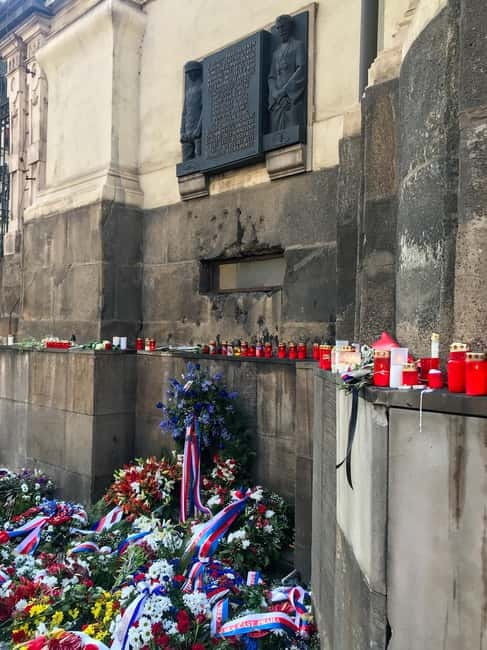
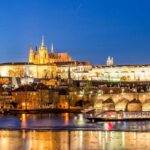
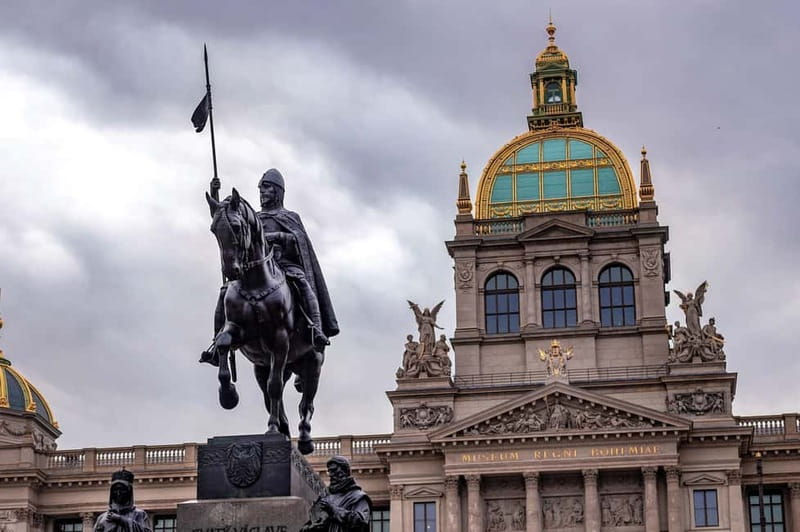
Your meeting point is the Statue of Saint Wenceslas at Vaclavske namesti, in front of the National Museum area (the meeting point is described as close by places like McDonald’s, so you can actually find it fast). Starting here matters. Wenceslas Square feels like a grand, public space today—and that contrast helps you feel what changed during occupation.
From the first minutes, the guide frames the tour as a “time capsule” walk: Prague as a city shaped by occupation, resistance, and the final push toward liberation. It’s also practical. With a clear starting point and a defined 2.5-hour duration, you’re not left guessing how much time you’ll spend at each stop.
Heydrich and Operation Anthropoid: why this story still matters
The tour’s core thread is Reinhard Heydrich—presented as a central figure behind Nazi terror in Prague, and described on the tour as both the architect of death and the No. 3 Nazi. You’ll hear how the assassination became the pinnacle of resistance against tyranny, tied to a daring mission commonly known as Operation Anthropoid.
What I appreciate here is the way the tour doesn’t treat the assassination like a trivia moment. It’s positioned as a turning point with consequences. The guide explains that Heydrich’s death was the highest-ranking Nazi ever killed in World War II, which raises the stakes from a local act of resistance into something with massive symbolic weight.
As you walk, you also get the sense of how resistance groups had to operate under extreme pressure. The tour keeps returning to the idea that bravery wasn’t abstract—it was logistical, dangerous, and immediate. That framing helps you understand why later Prague events in 1945 didn’t happen in a vacuum.
The Parachutists Church and its bullet holes: history you can see
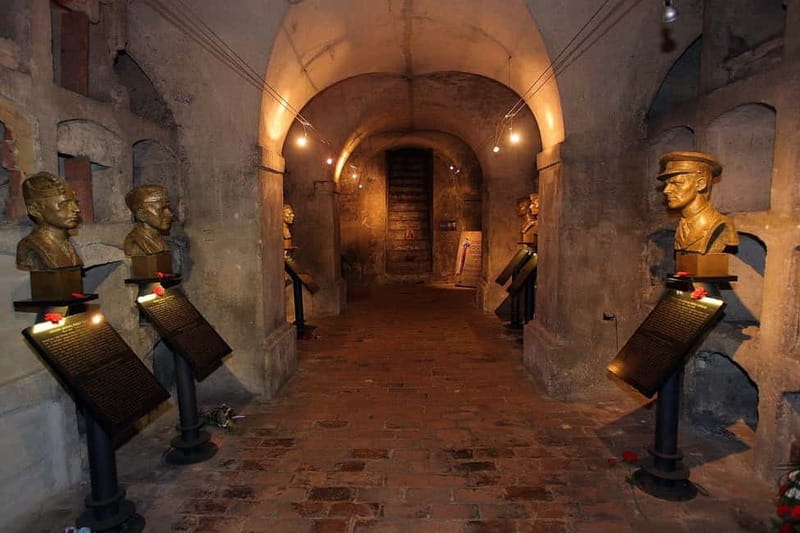
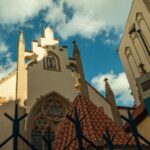
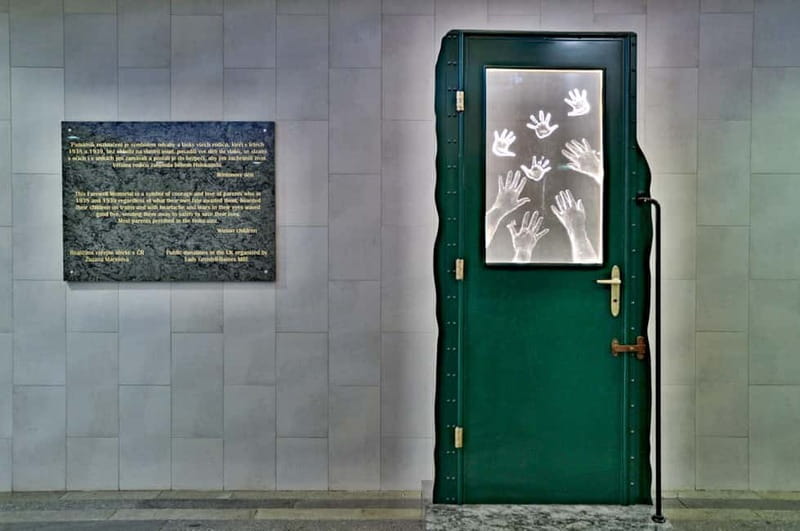
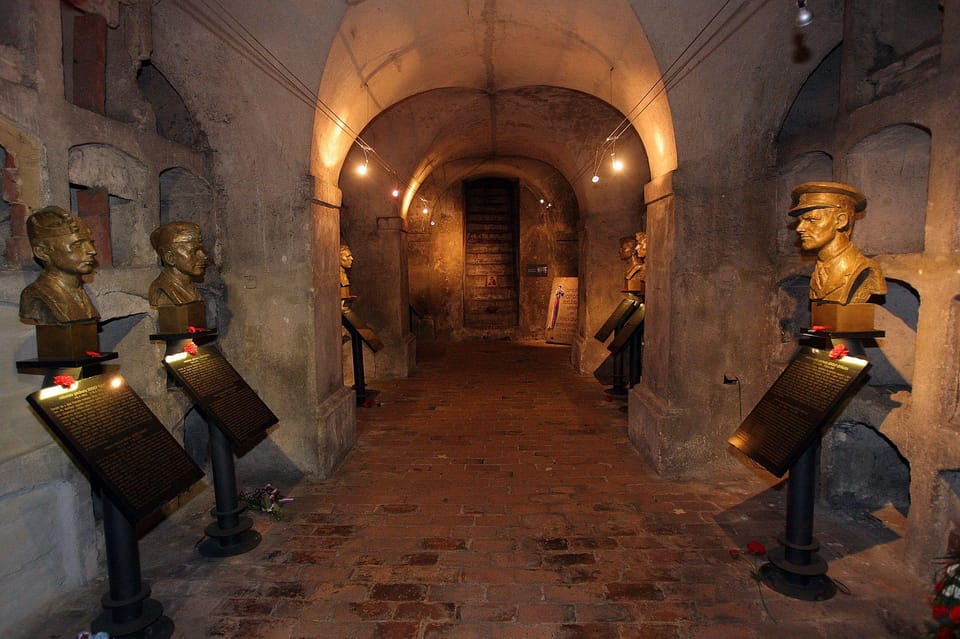
One of the most memorable parts is the stop at the Parachutists Church, with entrance included. The standout detail here is simple and powerful: you’ll see unique bullet holes tied to the resistance context.
This is where the tour earns its emotional weight. A bullet hole in a church wall is not a lecture. It’s a physical mark of violence and survival. I like that the guide uses the sight line, the setting, and the surviving damage to help you understand what people faced—not just what they did.
Because entrance is included, you’re not dealing with ticket lines on top of the storytelling. That’s a small thing, but it makes the experience feel smoother, especially if you’re also trying to see other Prague sights that day.
Nicholas Winton and the Kindertransport angle
Most WWII tours focus almost entirely on death and destruction. This one adds a different kind of action: the story of Nicholas Winton, who saved 669 Jewish children through the Kindertransports. The tour connects this to the One Life story, which helps modern audiences quickly grasp what the rescue effort looked like.
What you’ll take away isn’t only the headline number. The tour uses this moment as a contrast to what was happening in Prague under Nazi occupation—people trying to save lives while others tried to erase them. It’s a rare shift from battlefield stakes to rescue stakes, and it helps the day feel balanced.
If you’re the type of traveler who likes WWII history with at least one thread of hope and human courage, this stop is a real win. It also makes the tour more than a single-plot narrative about Heydrich. You leave with a wider view of what resistance and rescue looked like.

Prague in 1945: bombing, uprising, and the city’s turning point
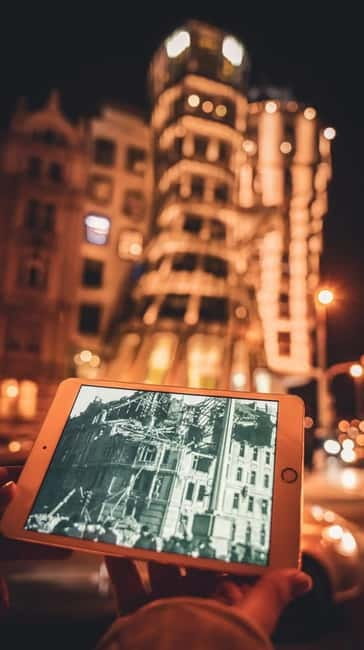
The tour doesn’t stop at the assassination. It moves into the final WWII year, including the bombing of Prague and the Prague uprising in 1945. You’ll hear about the dramatic American bombing of Prague in 1945, plus how the city’s resistance and turmoil culminated as the war drew toward its end.
This section is valuable because it links earlier occupation terror to the final collapse of Nazi control. If you’ve ever wondered how the story of Prague changes from 1942–1943 type events to the chaos and liberation of 1945, this tour is one way to get the cause-and-effect explanation without reading a textbook.
Also, the way the guide talks about resilience makes the events feel rooted in real streets and real neighborhoods. You’re not just learning dates; you’re learning momentum—how fear and resistance accelerated and then transformed into open uprising and rapid change.
Gestapo headquarters: fear as a location, not an idea
Another key stop is the former Gestapo headquarters. The tour frames it as a place shrouded in secrets and shadows, which is a fitting description: these were institutions designed to control through interrogation, intimidation, and secrecy.
I like this part because it stops WWII history from feeling purely heroic. Resistance matters, but so does understanding the system that hunted people. When you stand near a site that represents the machinery of the occupation, it makes the stories you heard earlier feel less like separate episodes and more like one continuous reality.
If you only do one WWII-themed walk in Prague, this is a strong reason why. It brings you close to the darker infrastructure behind the headline events.
Ending near the Dancing House: modern Prague over old scars
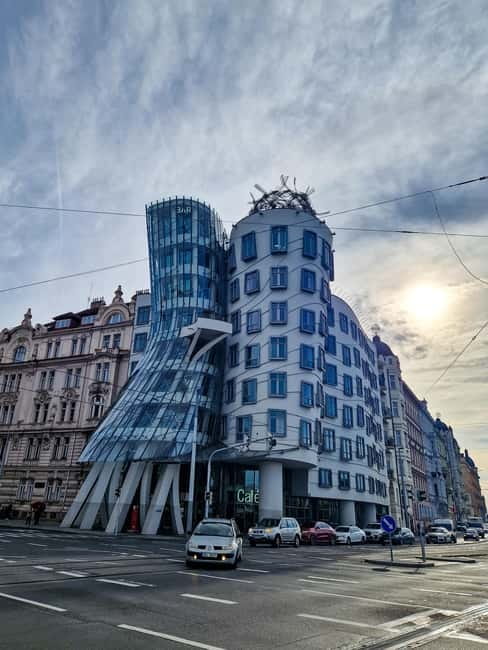
The route is described as finishing near the Dancing House. That modern landmark contrast is useful. Prague today can feel carefree, stylish, and cinematic. Ending with a contemporary structure helps you process what you heard during the walk—because it reminds you the past isn’t frozen. The city rebuilt. It adapted. It kept moving.
The tour description also notes that the activity ends back at the meeting point area. In other words, you should expect a clear finish that ties back to where you started, so you’re not stuck halfway across town trying to figure out your next move.
Either way, you’ll close the loop with a “now I see it” feeling—street by street, landmark by landmark.
Price and value: what $61 buys in the real world
Let’s talk value, because WWII tours can go either way. Some feel overpriced because they lean on generic storytelling and quick photo stops. Here, your $61 is essentially buying four things:
- Guided expert narrative from a local historian in English
- A curated route tied to specific sites (Heydrich/Operation Anthropoid, Parachutists Church, Gestapo headquarters, 1945 scenes)
- Included extras like a Prague public transport ticket, entrance to the Parachutists Church, and water
- Small group attention, limited to 7 participants
You’re also getting practical efficiency. With the entrance described as included and ticket-line skipping noted, the tour is built to keep you moving without wasting time.
In short: if you want a guided “story spine” connecting Prague’s WWII sites, this price can feel fair. If you’re expecting a casual walk with lots of downtime, you might feel it’s intense for the duration. But if you’re hungry for context, you’ll likely appreciate how much is packed into 2.5 hours without feeling rushed.
The guides and the storytelling style that makes it work
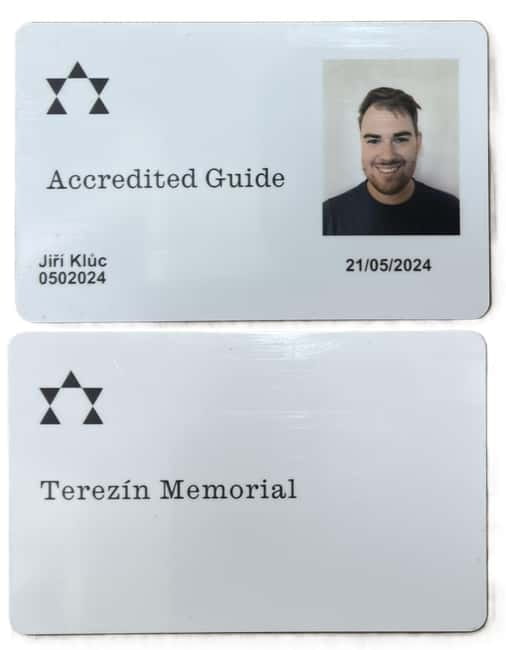
Two guide names come up in the tour’s strongest praise: Gerry and Jiri. Both are described as experts on the subject and natural storytellers, with a style that makes the city and sights come alive.
That matters more than it sounds. WWII history can become abstract quickly. When the guide’s delivery is personal—especially by bringing in stories connected to survivors—that’s what helps you remember what you learned and why it matters.
The tour also leans on a friendly individual approach. With small group limits, questions are easier, and you’re less likely to feel like you’re listening into the void.
Who should book this Prague WWII tour?
I’d point you toward this tour if:
- you want a serious WWII-focused walk that actually ties story to real places
- you like resistance history and the Operation Anthropoid thread
- you want more than battles—so you’ll appreciate Nicholas Winton and the Kindertransport rescue story too
- you prefer small groups where you can hear and ask questions
- you’re comfortable with heavy themes and want them handled thoughtfully
I’d think twice if:
- you’re traveling with children under 10
- you’re pregnant and want a more comfortable, less intense outing
- you need easy mobility support or are using a wheelchair, since the activity includes mixed notes about wheelchair use
FAQ
FAQ
How long is the Prague WWII tour?
The tour duration is listed as 2.5 hours.
Where do I meet the guide?
You meet at the Statue of Saint Wenceslas at Vaclavske namesti, in front of the National Museum area.
How big is the group?
The group is limited to 7 participants.
Is the tour in English?
Yes, the live tour guide is English.
What is included in the price?
Included items are a Prague public transport ticket, all fees and taxes, entrance to the Parachutists Church, and water.
Are ticket lines skipped?
Yes, the tour notes that you skip the ticket line.
Is this tour suitable for children?
No, it is not suitable for children under 10.
Can I cancel for a full refund?
Yes. Free cancellation is available up to 24 hours in advance for a full refund.
Is it wheelchair accessible?
The activity information includes both a wheelchair accessible note and also states it is not suitable for wheelchair users and people with mobility impairments. If mobility matters for you, it’s best to confirm details with the provider before booking.
Should you book this tour?
If you’re craving WWII context that actually connects to Prague street-level reality, I’d book it. The small group size, the historian-led storytelling, and the combination of major resistance events with the Parachutists Church bullet-hole stop make it feel focused rather than scattershot.
Book it with eyes open if you’re expecting a light day. This is occupation history with real darkness, but told with care—and that’s exactly why it’s worth your time in Prague.