REVIEW · PRAGUE
Prague Tour in Spanish
Book on GetYourGuide →Operated by TURISTICO · Bookable on GetYourGuide
Prague gets interesting fast. This Spanish tour turns the streets into a guided storyline, with a certified guide who explains Prague’s legends and the big political shifts that shaped Czech identity. I especially like the clear timeline from Austro-Hungarian rule to the Velvet Revolution, and I also love how the walk connects history to what you can feel in the city today. The only catch: the focus is history and culture, so if you want a pure photo-stop sightseeing route, you might find the political context heavy.
You’ll be based in the Central Bohemian Region and working through Prague’s historic core, the part that’s recognized for its beauty as a World Heritage site. You also keep one foot in the present, since the tour is designed around Prague’s energy and the way stories cling to everyday streets. If you’re hoping for lots of paid museum time or entrance-based attractions, plan for a more street-level experience instead.
Logistics are simple: meet up looking for a person with a navy blue umbrella and/or a sign with the Turistico logo. It runs rain or shine, so comfortable shoes matter, and you’ll want to dress for the weather. On top of that, it’s wheelchair accessible, which makes it a good option if mobility is a concern.
In This Review
- Key highlights you’ll actually use
- Meeting the guide and getting oriented in Prague’s “story streets”
- A Spanish walking tour built around legends and the hundred spires
- The Austro-Hungarian era: why Prague mattered, not just what it looked like
- World wars to communism: how Prague’s daily life got reshaped
- The Velvet Revolution: understanding the turning point behind the headlines
- Why 150 minutes feels like the right size for Prague’s story
- Price and value: why $24 is a smart deal for Spanish history context
- Comfort, timing, and the practical stuff that affects your experience
- Who should book this Prague Tour in Spanish?
- Should you book this tour or skip it?
- FAQ
- How long is the Prague Tour in Spanish?
- What language is the tour guide?
- Where do I meet the guide?
- Does the tour run in bad weather?
- Is this tour wheelchair accessible?
- What’s included in the ticket price?
- What is not included?
- How much does it cost?
- Is free cancellation available?
- Can I reserve without paying today?
Key highlights you’ll actually use
- Spanish live guide that keeps the story easy to follow from start to finish
- A clear political timeline, from Austro-Hungarian domination through communism and the Velvet Revolution
- Legends and Czech cultural stories that help you read the city like a narrative
- A walk built around Prague’s famous atmosphere, often described through its hundred spires vibe
- Wheelchair accessible route so you’re not forced into only the steep or tricky options
Meeting the guide and getting oriented in Prague’s “story streets”
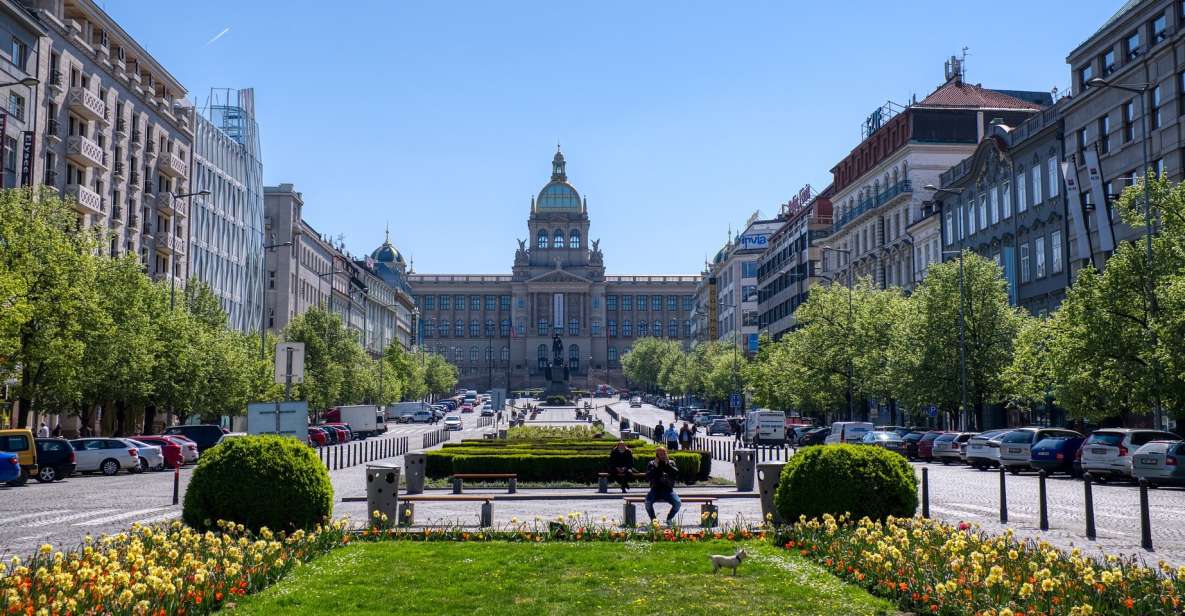
Starting a Prague tour is more than finding the meeting point. It sets the tone: you’re about to walk through a city where history isn’t in one place. It spills into street corners, old facades, and the way people talk about the past.
Your cue is practical and easy. Look for a person carrying a navy blue umbrella and/or a sign with the Turistico logo. That matters because Prague streets can feel confusing at first glance, especially if you’re bouncing between viewpoints and trying to read signage while also listening. A clear meeting point helps you start calm instead of rushed.
The duration is 150 minutes, which is a sweet spot. You get enough time for a full arc of stories, without burning half a day. And because the tour is live guided in Spanish, you’re not stuck piecing together information on your own. That’s a big deal in Prague, where you’ll see a lot of older-style signage and multiple historical layers in the same block.
You can also read our reviews of more tours and experiences in Prague.
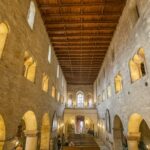
A Spanish walking tour built around legends and the hundred spires
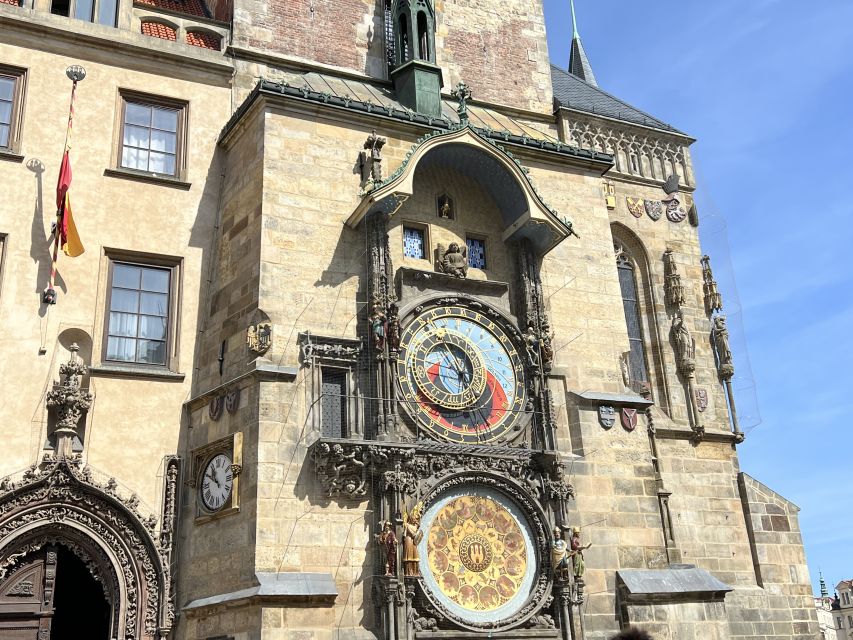
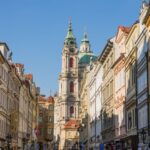
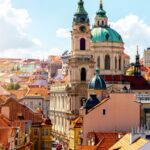
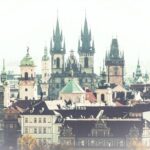
Prague is famous for its skyline, but the hundred spires idea is really more than a slogan. It’s a shortcut to what you’re going to experience on this walk: a city that feels vertical, dramatic, and full of detail. Even without naming every landmark, a good guide helps you notice patterns—how buildings, eras, and meanings overlap.
The tour is designed to do that with legends and Czech cultural stories. You’ll hear fascinating narratives that connect the myths people tell with the identity Czech culture formed over time. This is the kind of storytelling that makes the city more memorable, because you’re not just looking at stone. You’re learning what people thought those places meant.
I also like the way the tour frames Prague as a place that keeps moving. The highlight promise is that Prague streets are alive and evolving, with events and energy. Even if your day is rainy or gray, the guide’s job is to translate that “alive” feeling into something you can track while walking.
One practical note: because it’s focused on stories, you’ll get the most from the experience if you’re comfortable walking and listening. If you constantly need a break for long pauses, consider that ahead of time.
The Austro-Hungarian era: why Prague mattered, not just what it looked like
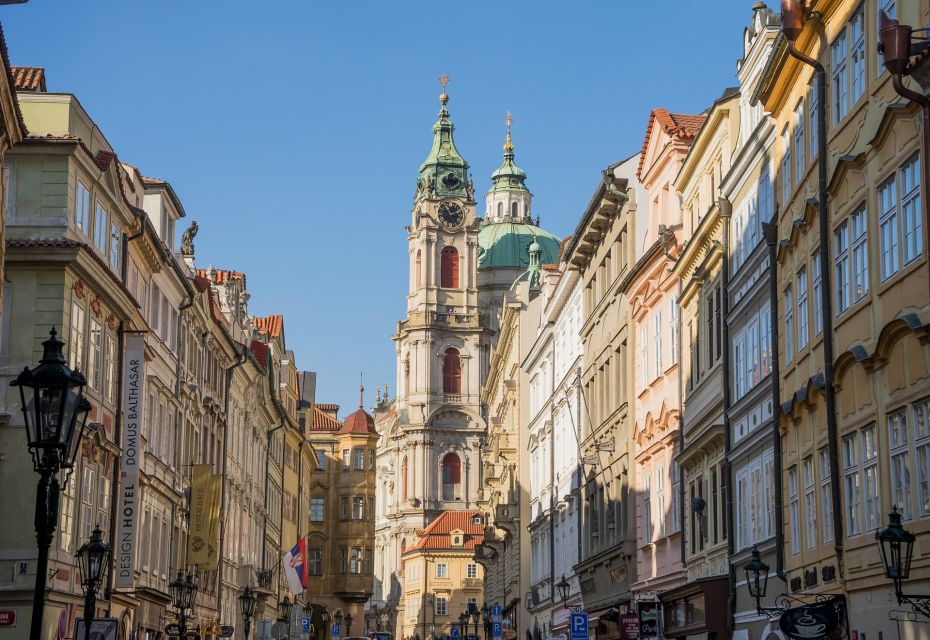
This is where the tour earns its value for history-minded visitors. You’ll learn how Prague lived under Austro-Hungarian domination and how that pressure helped shape a rise in Czech nationalism. The guide ties political control to cultural and intellectual activity, so you can see cause-and-effect rather than memorizing dates.
Why this matters: Prague can look like one unified “old city,” but it isn’t. Different periods wrote different rules onto daily life. When you understand the Austro-Hungarian context, a lot of what you see starts to feel less random. You’re better able to connect the city’s role as a cultural hub with the social changes happening in the background.
The tour also points out that the Czech national movement wasn’t just political. It was tied to cultural and intellectual activities. That framing is useful because it helps you understand nationalism as a lived force, not only a headline. You start noticing how culture can be a form of identity, especially when power is shifting.
If you only know Prague as a destination for architecture and postcards, this section turns the trip into something more personal. It answers the question behind many visitors’ curiosity: what made Prague so important to Czech self-definition?
World wars to communism: how Prague’s daily life got reshaped
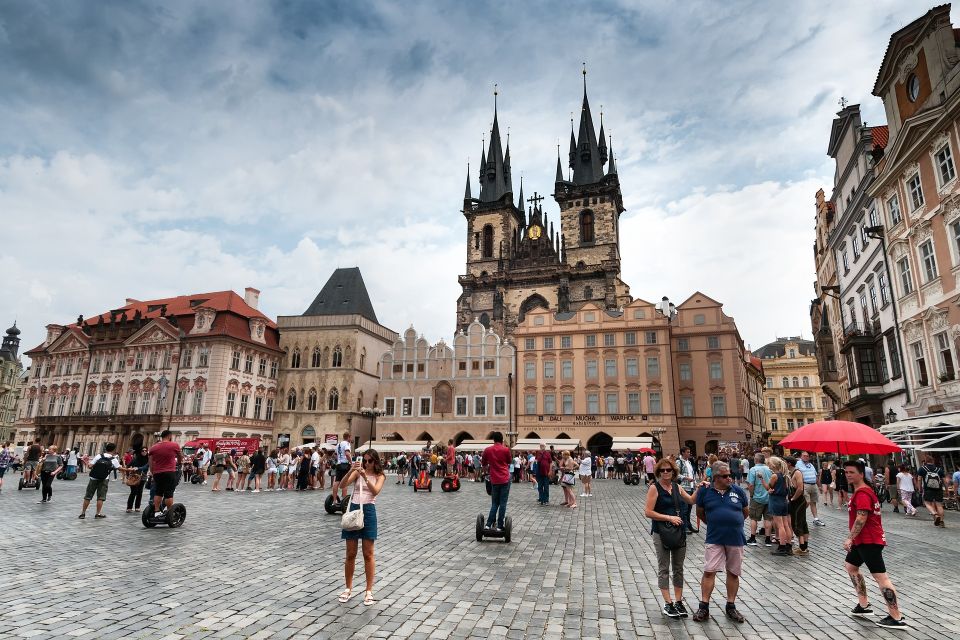
After the Austro-Hungarian story, the tour shifts into the shocks that changed the city repeatedly. You’ll hear how the World Wars affected Prague, how the city moved through and out of the communist period, and how those transitions reshaped the atmosphere people lived in.
The value here is in continuity. You’re not handed isolated facts. You’re following a timeline that explains why a city’s mood can change decade by decade. Even if you can’t see every historical remnant in a single street view, you can understand why certain cultural attitudes formed the way they did.
Communism in particular can be hard to grasp when you’re only looking at old buildings. The tour makes the idea more concrete by connecting political control to what it meant for the city’s development and identity. That’s a helpful approach because it keeps you from turning history into pure abstract knowledge.
This section also gives you a framework for understanding why Prague’s later transformation mattered. Once you’ve absorbed the weight of earlier eras, the next part of the story lands better.
The Velvet Revolution: understanding the turning point behind the headlines
The Velvet Revolution often gets reduced to a single famous moment. This tour treats it as the climax of a longer arc. You’ll learn how Prague emerged from the communist period and what that change meant for Czech society and the city itself.
The practical benefit for you is perspective. Instead of thinking of 1989 as a sudden jump, you understand it as a shift built on years of political pressure, cultural persistence, and change in civic life. That makes Prague feel less like a place where history is frozen in photographs.
Also, this part of the tour helps explain why Prague became the capital. The guide connects it to nationalism, cultural and intellectual activity, and the political evolution that followed major historical disruptions. You’re not just told that Prague is the capital. You understand why it was positioned to become one.
If you enjoy walking tours where the guide gives you a story thread, this is the moment where it clicks. You start to feel how the city’s past created the present you’re experiencing.


Why 150 minutes feels like the right size for Prague’s story
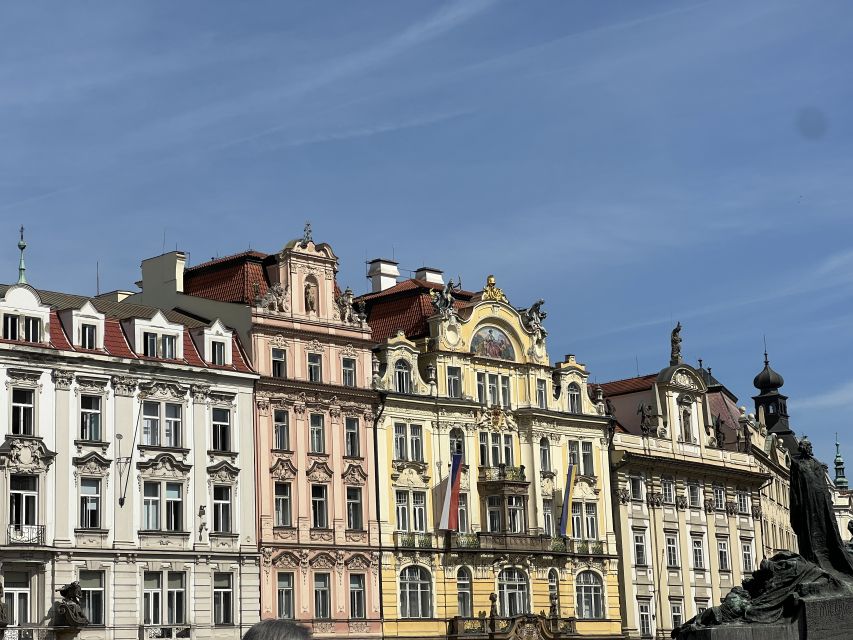
A common problem with tours is either too short to matter or too long to stay coherent. 150 minutes hits a good middle ground. You get time for a full narrative sweep, but the pace stays manageable enough that you can keep your energy.
For this tour, the structure works because it’s built around big themes that repeat across eras:
- Prague as a cultural and intellectual center
- Czech nationalism rising through political change
- Major historical shocks reshaping daily life
- Transformation after communism leading into the Velvet Revolution
That theme-based approach is what makes the trip useful even if you’re not a deep academic. You’ll leave with a mental map of why Prague matters, not only a list of dates.
You’ll also get something intangible: a better way to interpret the city’s texture. When people say Prague feels like it has stories, they’re not just talking about ghosts or legends. They mean the city’s identity has been rebuilt and retold many times. This tour helps you recognize that.
And the “vitality” piece is part of the balance. Even though you’re hearing about wars and political regimes, you’re still walking through an active European capital with constant evolution and events. The guide’s job is to keep those two layers from becoming separate.
Price and value: why $24 is a smart deal for Spanish history context
At $24 per person for 150 minutes, this tour is priced like a value option. The key is what you’re actually paying for: a professional and certified tour guide, speaking Spanish.
Not included are transport and entrance fees. That can be a plus. It means you’re not locked into a ticket-heavy experience. Instead, you’re buying guided understanding and context as you walk. For many visitors, that’s the best type of sightseeing value: you’re spending less to access the story, and more flexible with your day.
Here’s how I’d think about the cost if you’re deciding:
- If you want a Spanish explanation and a clear historical thread, you’re paying for guidance, not museum access.
- If you were planning to pay for multiple attractions separately, this tour can reduce your need for extra paid stops by making what you already see feel meaningful.
- If you’re the type who hates listening and prefers silent wandering, you might feel the value only if you can keep your attention while walking.
Also, the tour includes wheelchair accessibility. That’s another “hidden value” because it can prevent you from having to find a different, more specialized route later.
Comfort, timing, and the practical stuff that affects your experience
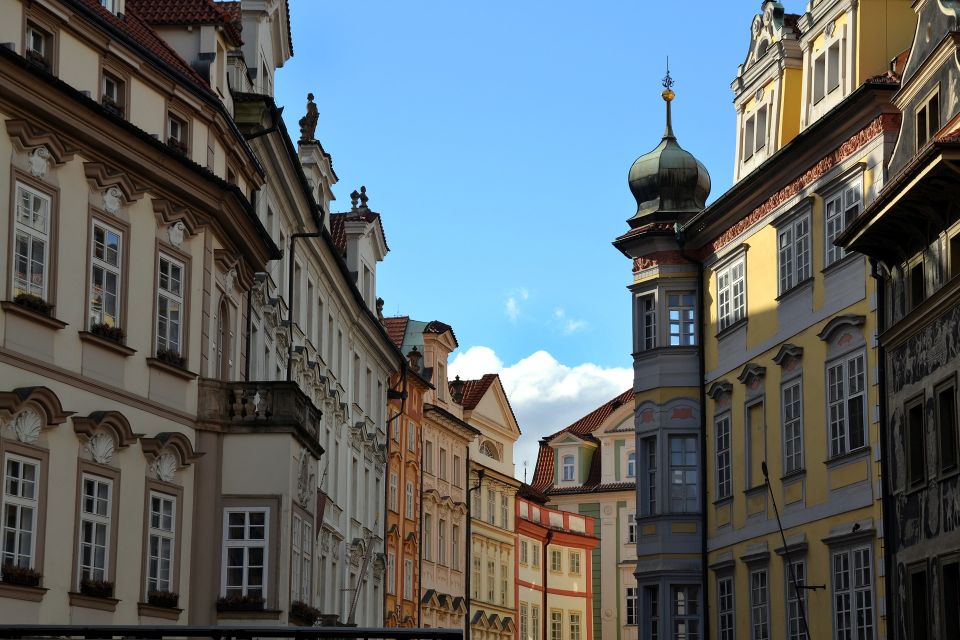
This tour takes place rain or shine. That means the day’s weather matters, but it doesn’t end your plan. Wear comfortable shoes. You’ll be on your feet, and the goal is to keep the walking steady enough for the story to flow.
Duration is 150 minutes, and starting times depend on availability. So if you’re trying to fit it into a tight schedule, check what times are offered first. You’ll get the best experience if you don’t place it right after an exhausting activity.
The guide is live and Spanish. That affects how you should prepare. If Spanish is your main language, this is a huge convenience. You’ll be able to follow the political history and cultural legends without switching devices or reading translations constantly.
One more small detail that comes up in real feedback: the guide’s attention. Guide Maria is specifically praised for fast, attentive support. That matters on walking tours, because quick help can fix small issues before they become distractions.
Who should book this Prague Tour in Spanish?
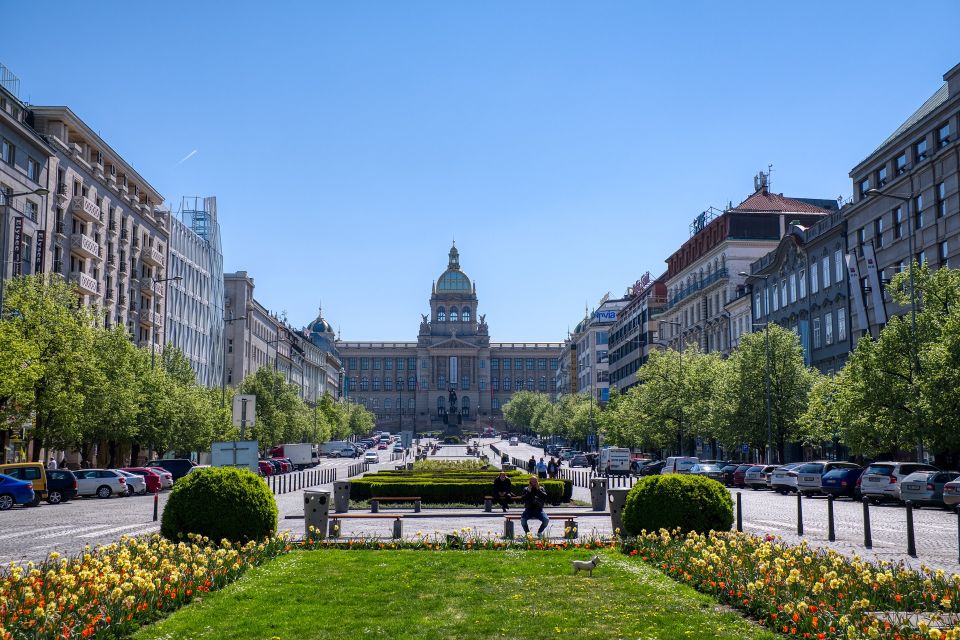
This tour is a strong match if you want:
- Spanish-language narration instead of self-guided reading
- A walk that connects Prague’s legends and culture to real political history
- A 150-minute structure that helps you make sense of centuries of change
It’s also a good fit for visitors who like city tours that don’t require lots of entrance tickets. Since entrance fees and transport aren’t included, you can combine this with your own snack stops and optional add-ons later.
It might be less ideal if your priority is only architecture photos, quick checklists, and minimal listening. This is a story-driven tour. If you’re okay with that trade-off, it’s usually exactly what makes the experience stick.
Should you book this tour or skip it?
If you’re choosing between an easy walking tour and a history-focused one, I’d lean toward booking this—especially because it’s Spanish and has a certified guide. At $24, you’re not overpaying for access to a story thread, and the 150-minute length makes it feel doable on most schedules.
Skip it only if you’re looking for a short, light, photo-first route with minimal context. The tour’s purpose is to explain Prague’s role through Austro-Hungarian domination, the rise of Czech nationalism, the wars, communism, and the Velvet Revolution—and that’s not a quick fluff topic.
If you want Prague to make sense while you walk through it, this is the kind of tour that helps you read the city instead of just seeing it.
FAQ
How long is the Prague Tour in Spanish?
The tour duration is 150 minutes.
What language is the tour guide?
The live tour guide speaks Spanish.
Where do I meet the guide?
Look for a person carrying a navy blue umbrella and/or a sign with the Turistico logo.
Does the tour run in bad weather?
Yes. The tour takes place rain or shine.
Is this tour wheelchair accessible?
Yes, it is wheelchair accessible.
What’s included in the ticket price?
The price includes a professional and certified tour guide.
What is not included?
Transport and entrance fees are not included.
How much does it cost?
The price is $24 per person.
Is free cancellation available?
Yes. You can cancel up to 24 hours in advance for a full refund.
Can I reserve without paying today?
Yes. There is a reserve now & pay later option, so you can book your spot and pay nothing today.