REVIEW · PRAGUE
Prague: Communists and World War II Tour
Book on GetYourGuide →Operated by Fun in Prague · Bookable on GetYourGuide
Prague turns political on every corner. This 2-hour walking tour connects the run-up to World War II, the Nazi occupation, and what came after under Communism, with guides like Barbara and Martin making the story feel personal. I especially liked the way it spotlights the 30-meter Stalin statue and then explains why Prague had to live with symbols that were meant to control it.
I also love how the tour links big decisions to real people. You’ll hear about how Czechoslovakia took shape and why events like the student Jan Palach’s self-immolation (and the burning of forbidden books) became pressure points in the push toward change. One fair warning: this is more ideas-and-events history than casual sightseeing, so if you want lots of photo stops, you may feel a bit rushed.
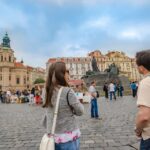
Finding your guide can be a small hassle, because multiple groups use matching orange umbrellas at the meeting point area by Charles Bridge. If you’re meeting late or arriving from the wrong tram, pause and scan carefully so you’re in the right group.
In This Review
- Key moments worth your time
- A 2-hour Prague history walk that keeps the story straight
- Where it starts near Charles Bridge (and how to not miss your guide)
- National Street: where WWII starts to make sense
- New Town streets and the shadow of the Gestapo
- Wenceslas Square: symbols, control, and the politics of public space
- Republic Square: the city’s political hinge points
- Stalin’s 30-meter statue: why the biggest monument isn’t just about size
- Censorship, Palach, and the long push toward the Velvet Revolution
- Guides can make or break this kind of history tour
- Price ($29) and value: what you’re really paying for
- Who should book this tour (and who might want a different one)
- Should you book? My practical take
- FAQ
- How long is the Prague: Communists and World War II Tour?
- Where does the tour start?
- Which transit stop is closest to the meeting point?
- What languages is the tour available in?
- Is the Museum of Communism included?
- What should I wear or bring?
- Are alcohol or drugs allowed on the tour?
- Is free cancellation available?
- Can I reserve now and pay later?
- Ready when you are
Key moments worth your time
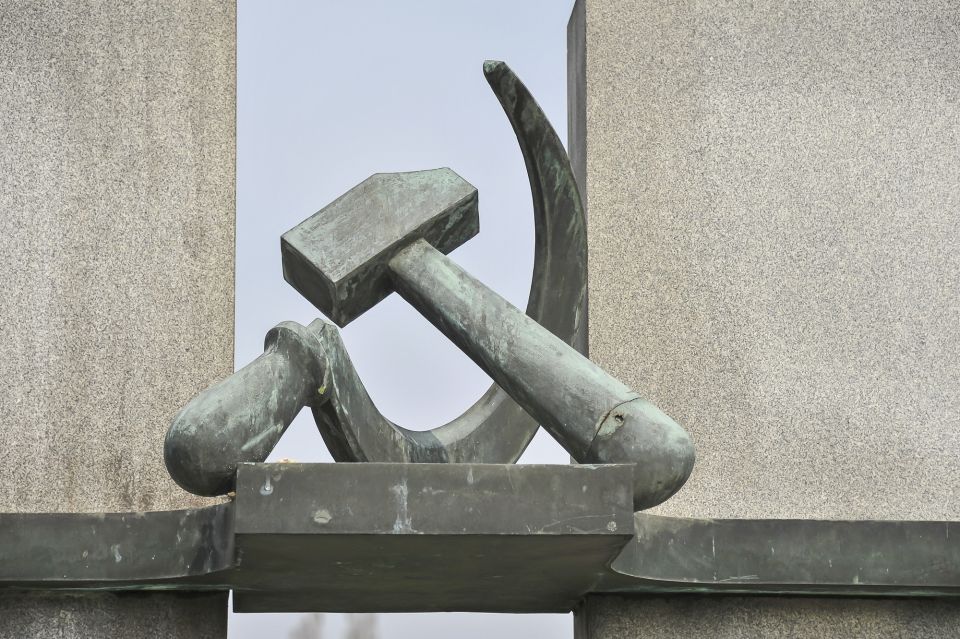
- 30-meter Stalin: the monument’s scale, plus what it was trying to do to people’s minds
- Streets tied to Nazi occupation: you’ll walk through areas marked by Gestapo-era terror
- Black-listed books and censorship: how control of ideas shaped daily life
- Jan Palach and resistance after 1968: why his act still gets discussed decades later
- Velvet Revolution in plain language: how communist rule loosened and collapsed
- Czechoslovakia’s creation: the 20th-century pivot that helps everything make sense
A 2-hour Prague history walk that keeps the story straight
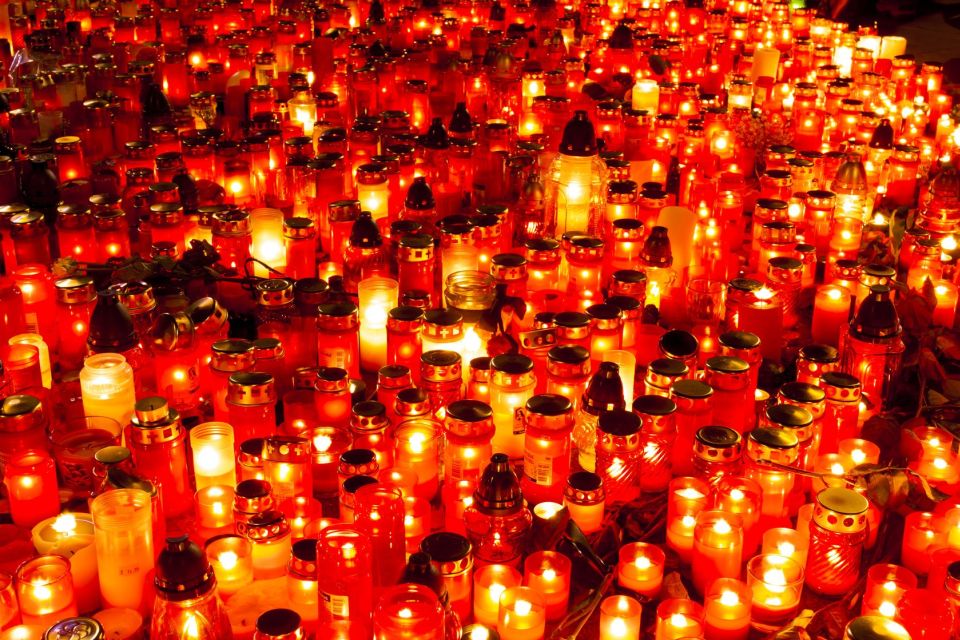
If you’ve ever felt that 20th-century Prague is both stunning and tragic at the same time, this tour is built for that feeling. You’ll walk through central sights and hear how the same city could swing from one extreme to another—WWII to post-war Soviet control, then to the Velvet Revolution.
The format is simple: a local guide does the heavy lifting, and you focus on the streets, the symbols, and the turning points. I like that it’s time-efficient. For $29, you get a guided narrative that would take you days to piece together on your own—especially if you don’t already have a timeline in your head.
You can also read our reviews of more tours and experiences in Prague.
Where it starts near Charles Bridge (and how to not miss your guide)
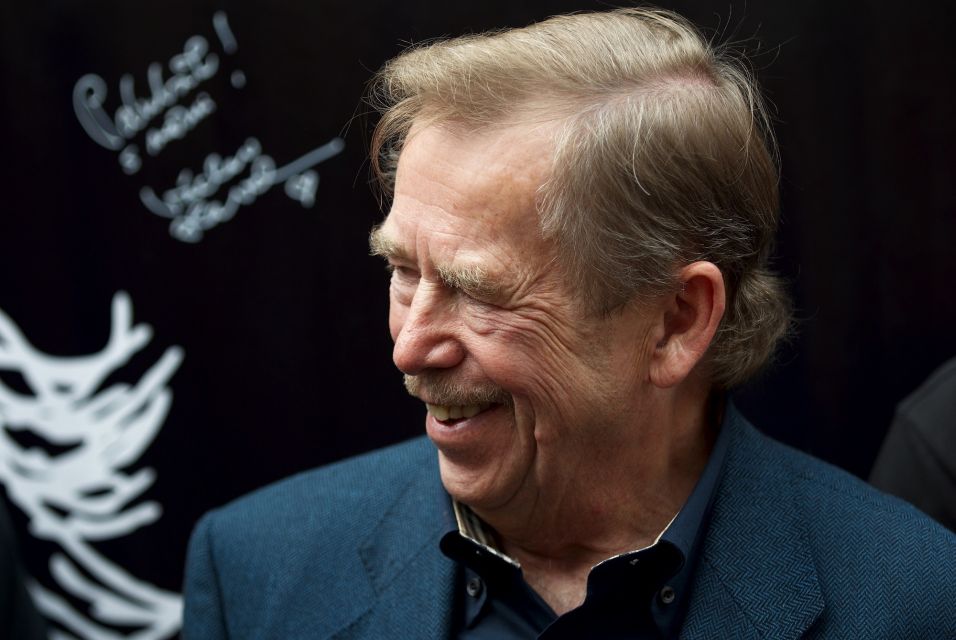
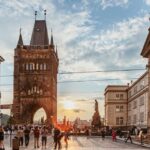
You’ll meet at Křižovnické náměstí, right by Charles Bridge, next to the Statue Charles IV. The guide will be holding an orange umbrella, so it’s worth arriving a few minutes early and staying in that exact meeting cluster rather than drifting into the crowd.
Getting there is easy on foot and transit. The closest option listed is Staroměstská (tram/subway area). From there, you’re walking into the core where the tour can move briskly from one historical layer to the next.
Practical tip: if you’re looking at your phone while waiting, you’ll miss your guide. Prague is busy, and the umbrella cue is your friend. One guide name I saw credited in past tours is Otakar, and he’s the kind of person you’ll want to latch onto quickly once you spot the correct group.
National Street: where WWII starts to make sense
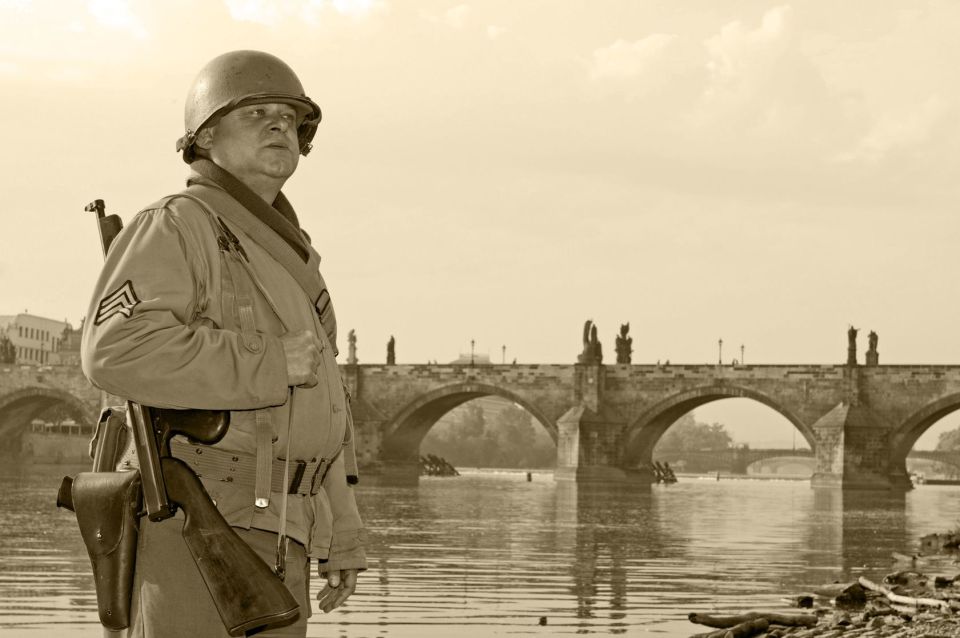
The tour moves through central Prague, and the stop at Národní is a key moment for getting your bearings. This is where the “Prague story” starts to feel like more than just medieval streets and baroque facades. You’re heading into the part of the city where political power leaves strong marks—whether through architecture, naming, or how people lived around those institutions.
What makes this section valuable is the cause-and-effect approach. You’ll hear about the events leading up to WWII, including how World War I created conditions that later exploded into disaster. Even if you know WWII basics, this helps you understand why Prague’s position mattered and why occupation didn’t arrive from nowhere.
Expect the guide to keep tying the narrative back to what you’re seeing: streets, squares, and the sense that the city has been rewritten by whoever held power at the time.
New Town streets and the shadow of the Gestapo
Next is New Town, Prague—a section that helps you connect the dots between everyday life and political violence. The tour frames the Nazi occupation through real street-level experience: you’ll walk down routes that were once occupied by the Nazis, including the atmosphere associated with the Gestapo.
This is one of those sections where a good guide matters a lot. The history isn’t only names and dates. It’s how fear changed behavior. One review highlighted how a guide helped turn Prague’s symbols into a readable map, and that’s exactly the skill this tour aims for.
You’ll want comfortable shoes here. The walking pace is steady, and the narration is dense. This isn’t the kind of tour where you can stop every 30 seconds to take in one alley at a time.
Wenceslas Square: symbols, control, and the politics of public space
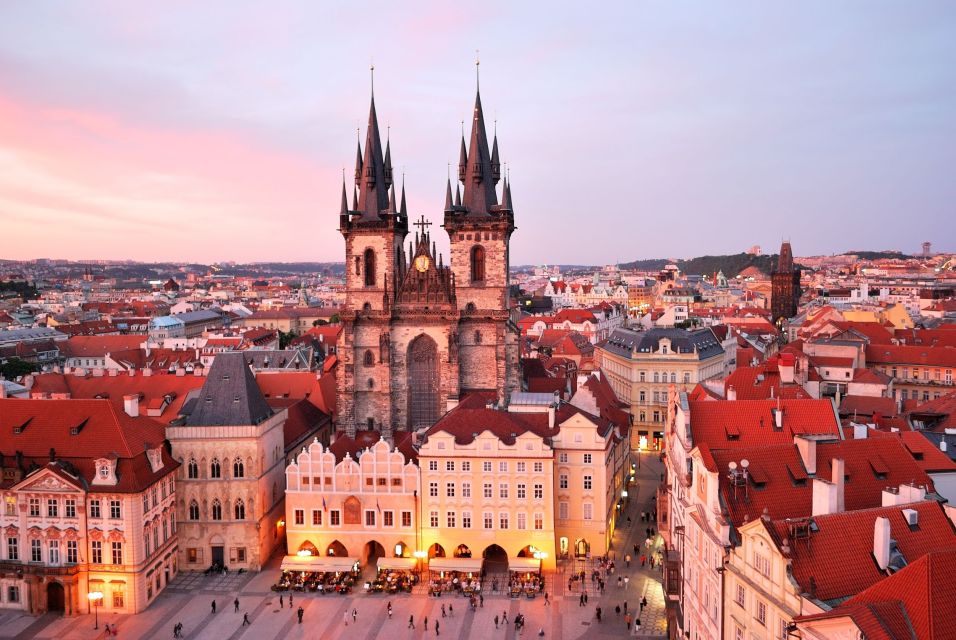
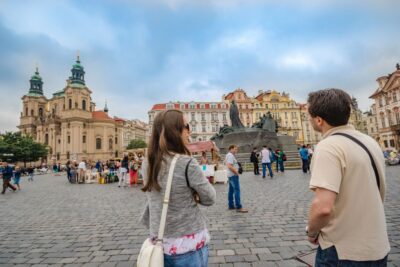
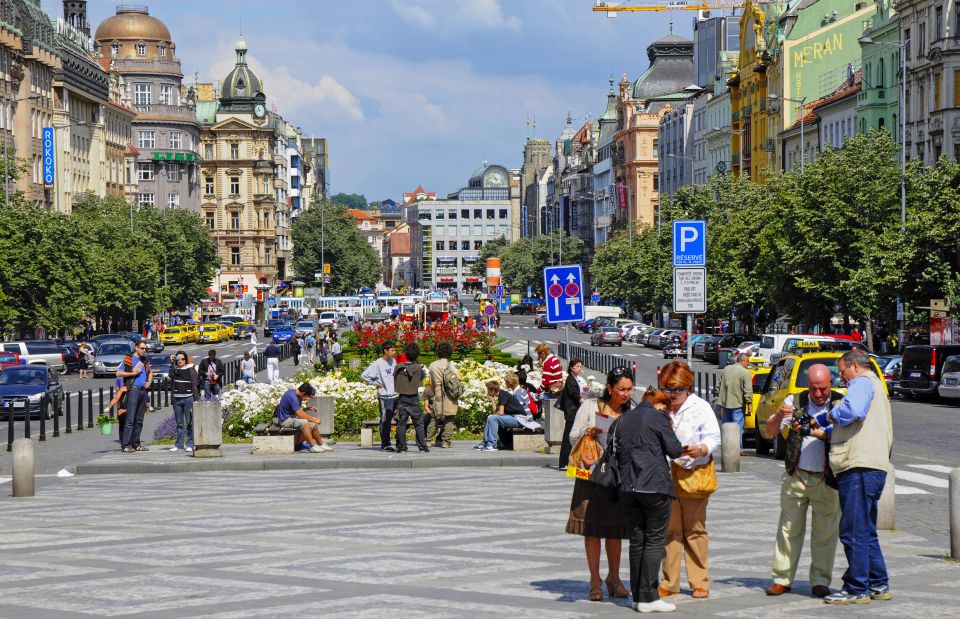
Then comes Wenceslas Square, arguably the most famous stage in Prague for public power—old regimes and new ones all like to show up here. In this tour, it becomes more than a landmark. It becomes a lesson in how governments use visibility: statues, ceremonies, and official messaging all work on people’s daily expectations.
Expect to hear how political life in the 20th century played out in Czech lands—what changed after the war and what the “new normal” felt like. If you’re the type who likes understanding why places look the way they do, you’ll find this stop particularly satisfying because it turns a big square into a case study.


Republic Square: the city’s political hinge points
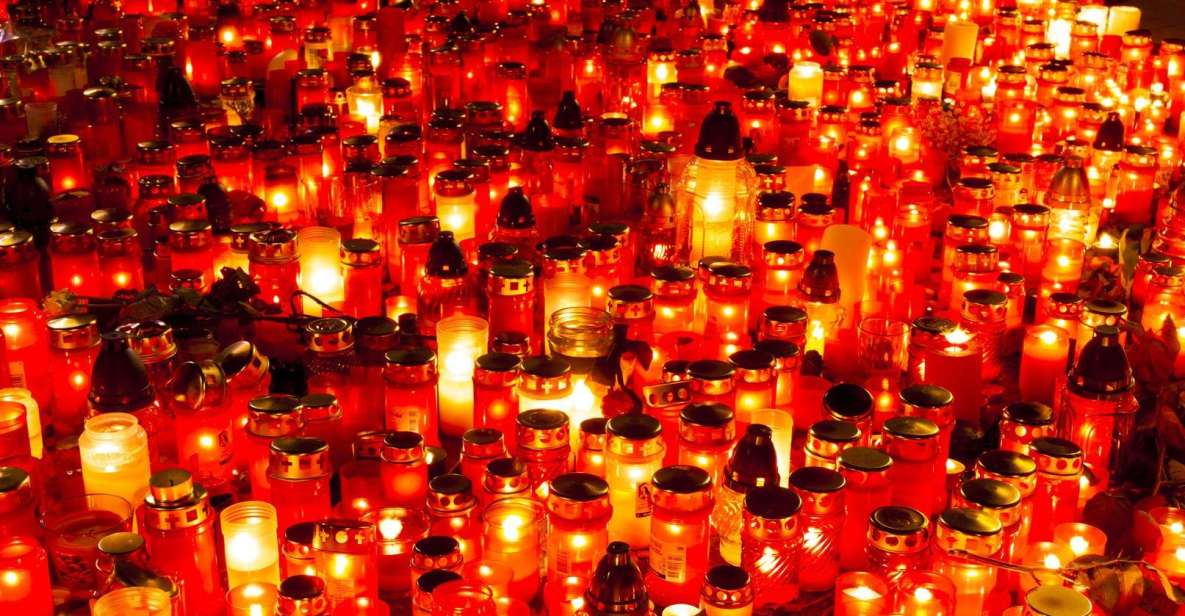
The tour also includes Republic Square, Prague. This stop works as a bridge—tying earlier upheaval to later transformation. It’s where the narration can shift from occupation and enforcement to the question of how a country tries to rebuild and define itself after major collapse.
If you’ve been wondering why Czechoslovakia matters to the rest of the story, this is where you’ll start seeing why. One of the tour’s stated themes is discovering how the creation of Czechoslovakia came about, and the square setting helps that feel less abstract and more grounded in place.
Stalin’s 30-meter statue: why the biggest monument isn’t just about size
A major highlight is the 30-meter tall statue of Stalin. Yes, the height is eye-catching. But the tour’s angle is what the monument represented and what it meant to live with it.
This is where you’ll hear about Communism after WWII and how Soviet influence turned cultural life into a managed system. The tour also points out censorship through stories like black-listed books being burned—an idea that’s dark, but crucial for understanding why “politics” wasn’t only about elections or laws. It was about what people were allowed to read, think, and repeat.
If you’re sensitive to heavy topics, go in gently: this isn’t handled like a horror gimmick. The tone is explanatory, and the guide’s job is to place events in context so you can make sense of them without getting lost in despair.
Censorship, Palach, and the long push toward the Velvet Revolution
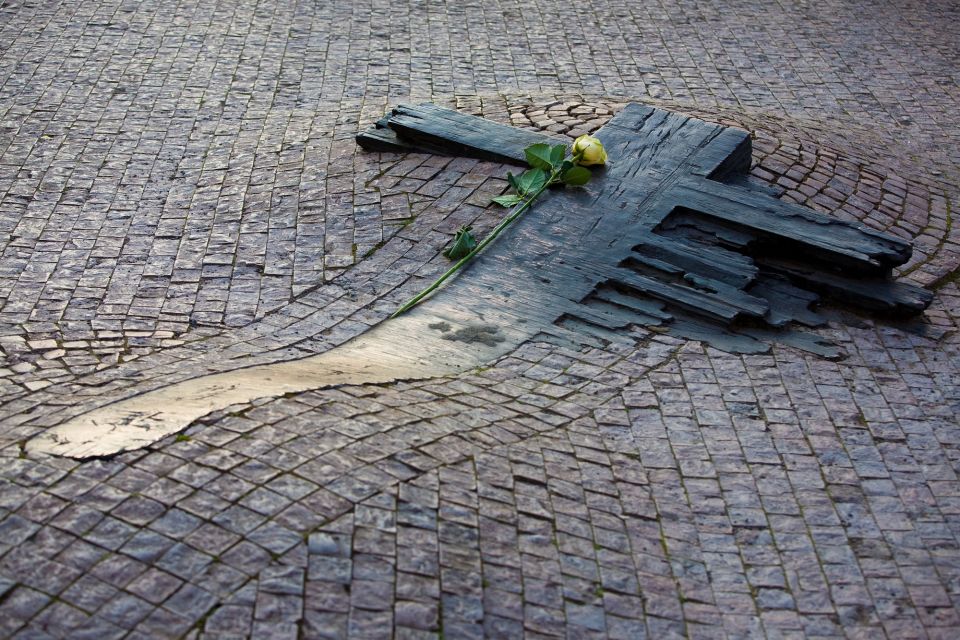
The tour follows the arc after WWII and especially the later struggle against Communist rule. You’ll hear about Russian occupation, why certain books were targeted, and why the story of Jan Palach stays so prominent in Czech memory. His act is explained as a turning point—one of those moments where an individual becomes a symbol for an entire generation’s frustration and fear.
Then the tour moves into the Velvet Revolution, framed as a real political outcome rather than a vague “things got better” ending. The goal here is to show how change happened step by step, and why Czech society was able to force a break from the old system.
In past tours, guides like Inna and Illene have been praised for answering lots of questions and handling the back-and-forth well. That matters because this period raises practical questions: What did people do day to day? How much could they say? What changed first? If your guide takes questions, this section can become one of the most memorable parts of your Prague trip.
Guides can make or break this kind of history tour
This tour lives and dies by the guide’s pacing and clarity. The good news: the track record looks strong across languages and personalities. Names that show up in feedback include Barbara, Dana, Martin, Otakar, Geoff, Inna, and Illene.
What I’d look for, based on how these guides were described, is a balance of structure and Q&A. This kind of story has too many threads to carry alone. A strong guide keeps you oriented, then makes space for your questions—especially if you want the context behind terms like Soviet occupation, communist governance, or why certain events are remembered in such detail.
Also, a small note from experience: one account mentioned a film element that felt repetitive. If you prefer walking-and-talking only, you might not love that part as much. Still, the rest of the tour is the main act, and the walking connects the information directly to place.
Price ($29) and value: what you’re really paying for
At $29 per person for about 2 hours, the value isn’t the number of sights. It’s the intellectual shortcut. You’re not just seeing Prague—you’re getting a guided explanation of how Prague slid through major 20th-century events: WWII, occupation, Communist control, censorship, and revolution.
And you get a local guide for the full time. That’s the main cost lever in tours like this. The narration is doing the work that a guidebook can’t do well: turning a timeline into something you can remember.
There’s also an optional Museum of Communism element. The tour includes a 10% discount coupon for that museum, and admission is included if you select the museum option. If you want to go deeper after the walk, the coupon nudges you in the right direction without forcing you to commit on day one.
Who should book this tour (and who might want a different one)
Book this if you want:
- A guided timeline of WWII through the Cold War in central Prague
- Clear explanations of how censorship and Communist rule affected real life
- A walk that connects statues and squares to the events behind them
You might skip or choose a different style of tour if:
- You want mostly light, casual sightseeing with minimal heavy context
- You hate long stretches of talking without many free moments to wander
This works well for couples, solo travelers, and history-minded families who are comfortable with serious topics. It’s also a great fit if your goal is to understand what you’re looking at before you plan your next visits.
Should you book? My practical take
I think it’s a smart booking if you like your sightseeing with context. Prague’s surface beauty is only part of the story, and this tour helps you read the other part without drowning in facts you can’t place.
If you’re short on time but want a real connection to the 20th century, this hits the sweet spot. Just wear comfortable shoes, arrive on time at Křižovnické náměstí, and be ready for a history lesson that treats the city like a living classroom.
FAQ
How long is the Prague: Communists and World War II Tour?
The tour lasts 2 hours.
Where does the tour start?
The meeting point is in front of the Charles Bridge at Křižovnické náměstí, next to the Statue Charles IV.
Which transit stop is closest to the meeting point?
The closest tram or subway station is Staroměstská.
What languages is the tour available in?
The live guide is available in German, Russian, and English.
Is the Museum of Communism included?
Museum entry is included if you select the option. Otherwise, you still get a 10% discount coupon for the Museum of Communism.
What should I wear or bring?
Bring comfortable shoes, since it’s a walking tour.
Are alcohol or drugs allowed on the tour?
No—alcohol and drugs are not allowed.
Is free cancellation available?
Yes. You can cancel up to 24 hours in advance for a full refund.
Can I reserve now and pay later?
Yes. You can reserve your spot and pay nothing today.
Ready when you are
If you want Prague to feel less like a postcard and more like a story you can follow, this is one of the better ways to do it in a short window.