REVIEW · PRAGUE
Prague Zoo: Skip-the-Line Entry Ticket
Book on GetYourGuide →Operated by Get Prague Guide · Bookable on GetYourGuide
5,000+ animals and no ticket-line stress. I like that this skip-the-line Prague Zoo entry lets you head straight to the main entrance in Troja, so you spend more of the day watching animals. I also love the scale: this is a 5,000+ animal zoo, with big viewing spots so you can still enjoy exhibits even when animals are inside. One note: the zoo is very hilly, so if you’re not into lots of uphill walking, plan for breaks and wear good shoes.
Prague Zoo is a top choice for a family day or a calmer date-style stroll, and it’s known for serious conservation and breeding work. Your ticket is valid for one-time entry within 1 month, which is handy if you’re juggling weather or changing your schedule.
In This Review
- Key things I’d prioritize
- Why Prague Zoo in Troja feels like a full day, not a quick stop
- Skip-the-line ticket: where you save time (and where you might not)
- Hours and timing: how to choose the best day window
- A practical way to pace your self-guided “zoo route”
- What you’ll see: highlights that match real interests
- Enclosures, animal space, and why the viewing feels different
- Walking uphill: your comfort checklist matters more than you think
- Food, toilets, and the “no guide needed” advantage
- Rules that keep things safe: what you must know before you arrive
- Value check: why $15 for entry can make sense
- Who should book this skip-the-line ticket
- Should you book Prague Zoo skip-the-line tickets?
- FAQ
- How long is the ticket valid?
- Where do I meet or enter Prague Zoo?
- What’s included in the price?
- What should I budget for food and getting there?
- Are there rules about animal interaction?
- What are the opening hours?
Key things I’d prioritize

- Skip-the-line entry: less waiting, more time inside the grounds
- Massive collection: you’re looking at nearly 5,000 animals in one place
- Big viewing variety: animals can be inside, but there are still lots of lookouts
- All-day potential: many people plan around 4–5 hours, and some stay longer
- Transit-friendly Troja location: easy to reach without needing a car
- Rules that protect both animals and visitors: no feeding, no touching, and no noise
Why Prague Zoo in Troja feels like a full day, not a quick stop
Prague Zoo sits in the Troja district, and that matters because it’s designed for roaming. This isn’t the kind of zoo where you pop in for 45 minutes and leave thinking you saw the highlight reel. You’re walking a lot, but you’re also getting a lot back: animals across many habitats, frequent places to pause, and viewpoints that make the effort feel worth it.
The zoo’s reputation isn’t just marketing. It has survived major disruption over the decades, including World War II and floods, and it’s become known for animal care and conservation. What you feel on-site is the result: enclosures that give animals space, and facilities that help you see them without constantly craning your neck.
If you’re coming with kids, this is one of those places where their attention actually stays put because there’s always another species around the corner. If you’re coming for a quieter day, you can slow down, pick a few sections, and treat it like a long park walk with wildlife as the main show.
You can also read our reviews of more tours and experiences in Prague



Skip-the-line ticket: where you save time (and where you might not)
The skip-the-line part is simple: you purchase your ticket online and then head straight to the main entrance to start your visit. In practice, that’s most valuable when you arrive at a busy time. If you show up very early or at a calm hour, the line may be short anyway, but the point is you’re not relying on luck.
This ticket is also a good value structure for a zoo day because it covers the one thing you must buy: entry. Everything else on-site is optional—food, rides, and extra activities—so you can set your own budget once you’re inside.
One more detail that affects how you plan: this is a one-time use ticket. You can’t buy it and then come back later the same day or reuse it after you leave. Since it’s valid for one month, you’re still flexible about which day you pick, but once you enter, that’s it.
Hours and timing: how to choose the best day window
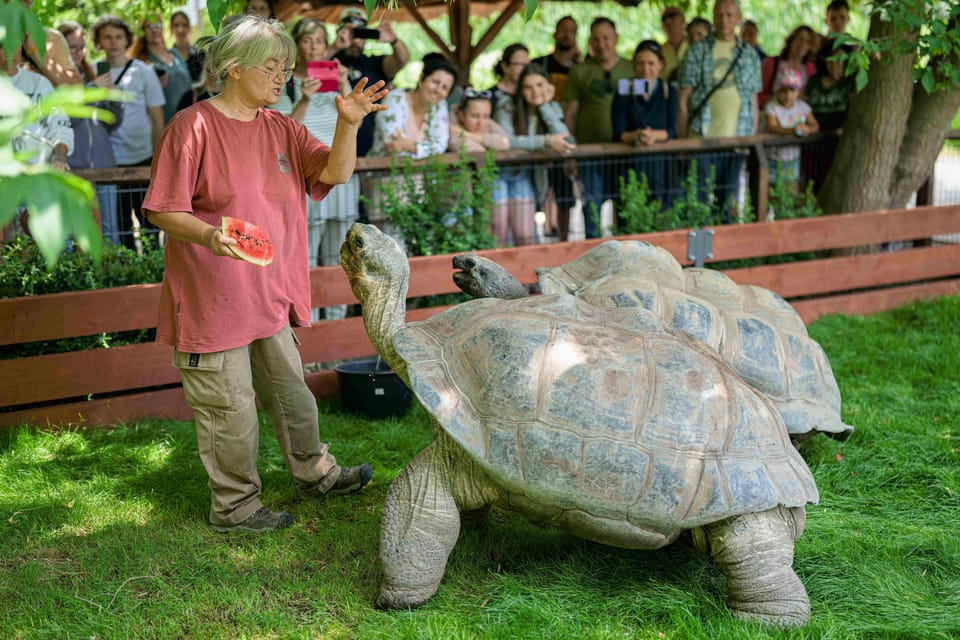
Opening hours shift by month, so your best plan depends on the time of year:
- January and February: 9:00 AM–4:00 PM
- March: 9:00 AM–5:00 PM
- April, May, September, October: 9:00 AM–7:00 PM
- June, July, August: 9:00 AM–7:00 PM
- November and December: 9:00 AM–4:00 PM
- Special note: in summer, turnstiles, ticket offices, pavilions and attractions, souvenir shops, restaurants, and refreshment stands close at 7:00 PM, but you can stay on the grounds until 9:00 PM
- Special note: December 24 closes earlier (open until 2:00 PM for pavilions), and you can walk the grounds until 4:00 PM
What this means for you: if you want the most relaxed experience, aim to arrive in the morning. The zoo is big and hilly, so “we’ll see everything quickly” almost never works. Morning also gives you more daylight for walking and better visibility if animals move around during feeding times.
If you’re visiting in winter, plan for colder conditions and fewer daylight hours. Even if animals are visible inside their housing, you’ll still be spending lots of time outdoors between pavilions.
A practical way to pace your self-guided “zoo route”
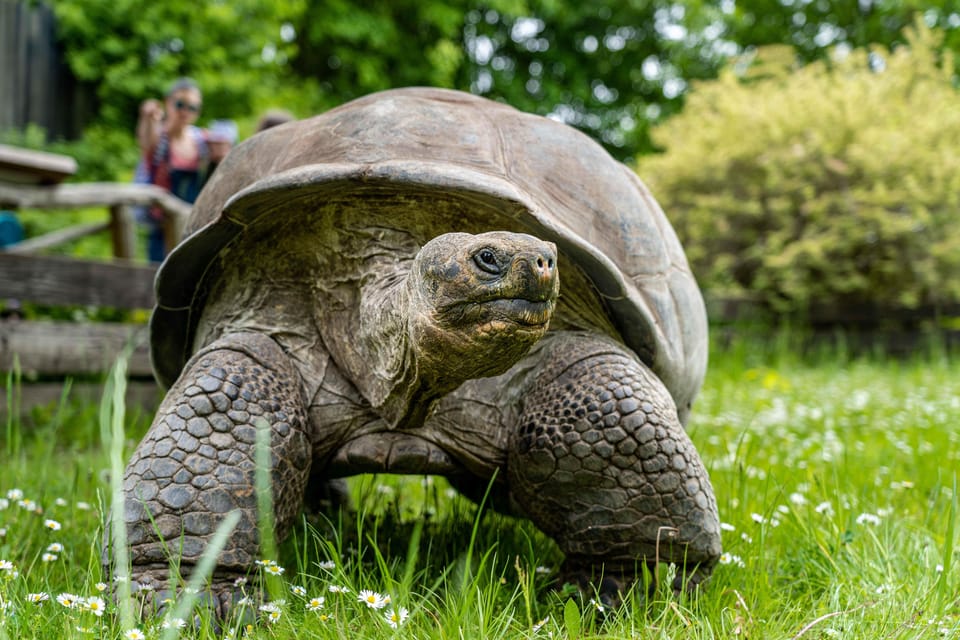
Because this is a ticket for entry (not a guided tour with a strict itinerary), the best strategy is to think in loops: start, pick a direction, hit the areas that matter most to you, then come back for anything you skipped.
Here’s how I’d pace it so you don’t burn out:
1) Start at the main entrance and get your bearings fast
Take a moment to scan for signs in English. The zoo is signposted in multiple ways, and an English map can help if you want less guesswork.
2) Choose your “must-see” anchors first
Polar bears are a common crowd favorite, along with big mammals like elephants and hippos. If you’re traveling with kids, anchoring the day around their top animals prevents the mid-day slump where everything starts to feel repetitive.
3) Work in “clusters” rather than hopping randomly
The zoo is spread out. If you bounce back and forth, your time disappears into walking. Better idea: walk through nearby sections in sequence and save long transfers for when you’ll be moving anyway.
4) Add one or two “rides/attractions” if you want variety
Some people include the cable car and chair lift in their day, and at least one visitor highlighted a zipline experience. Whether you do these or not is up to your energy level, but adding one non-animal element can break up the walking.
5) End with a flexible buffer
Even a perfect plan turns messy with weather. Build in a cushion so you can revisit something you really cared about or catch an exhibit you reached too late.
Most people end up planning around 4–5 hours if they want to see lots of animals without sprinting. If you’re slower, curious, or stopping often for photos and snack breaks, it can easily stretch longer.
What you’ll see: highlights that match real interests
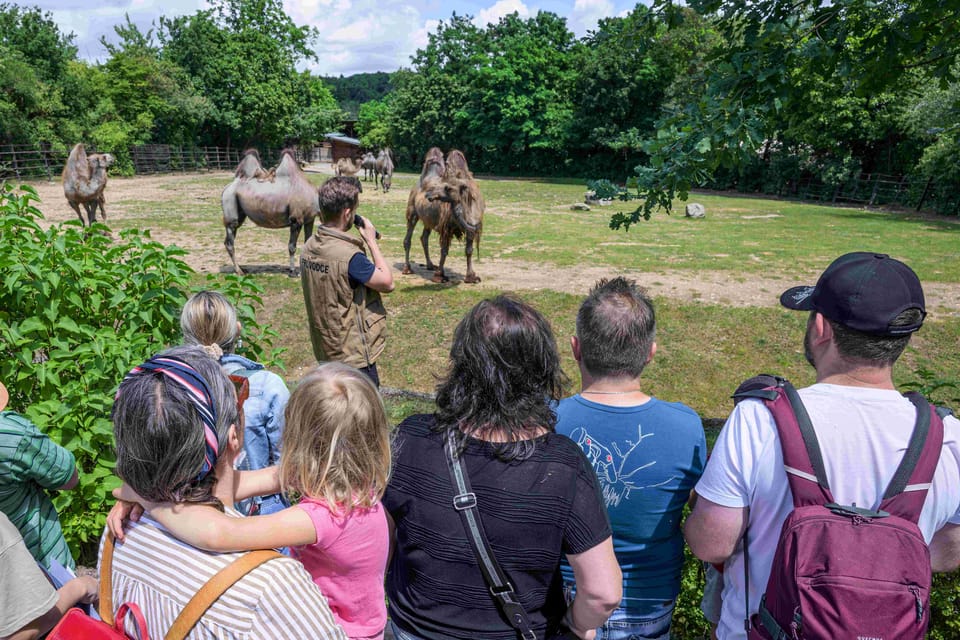
Prague Zoo covers a wide range of species, and the best part is that it doesn’t feel like a single-theme zoo. You can go from tiny animals to large mammals, and you’ll likely find multiple “wow” moments.
A few categories that tend to drive the best experiences:
- Arctic and cold-climate animals
Polar bears are a big reason many people plan a visit, and they’re memorable because you can often watch them in both outdoor and indoor settings depending on the day.
- Big mammals with strong viewing spots
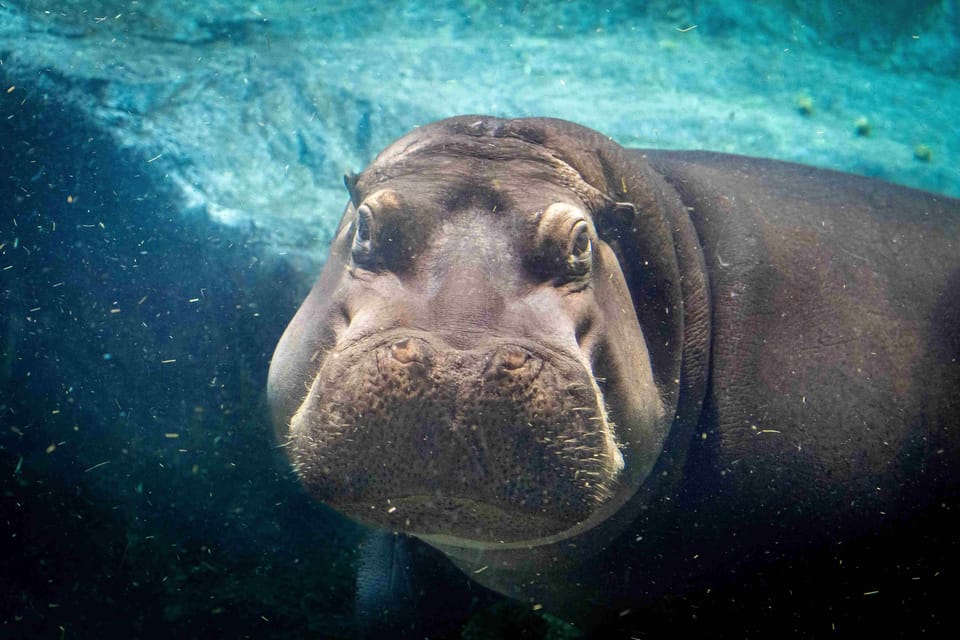
Hippos and elephants are frequent favorites. You’ll get a better day if you plan to slow down around these because they draw attention and you’ll want time for real observation, not rushed stopping.
- Bold predators and gorilla-style quiet watching
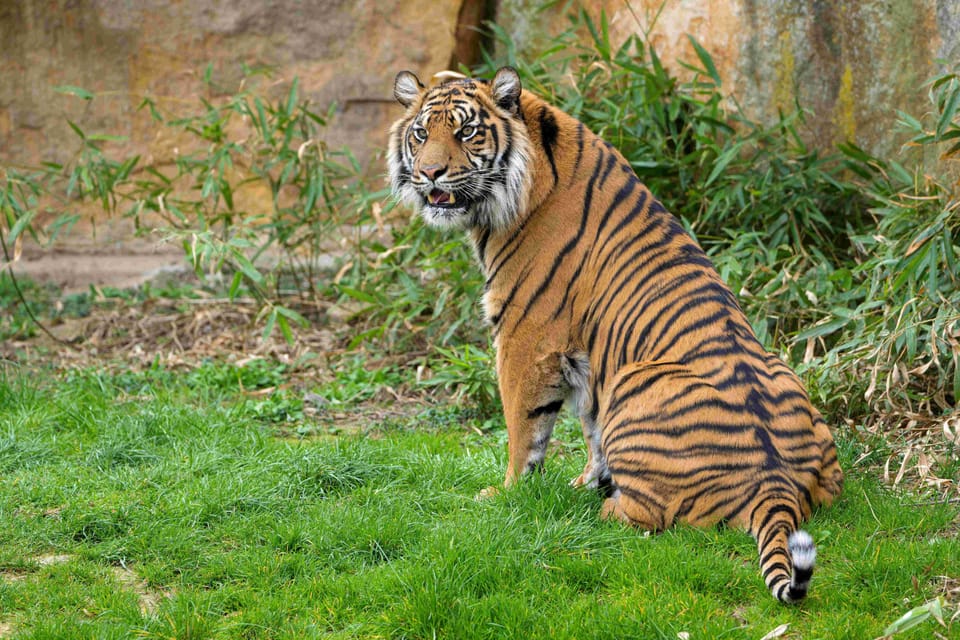
Tigers and gorillas show up in many day memories. The good sign is that the zoo layout gives multiple viewing angles, which helps when animals choose to be active or tucked away.
- Shy or smaller species when you spot them
Red pandas can be harder to catch, but when you do, the payoff feels high. If your day is snowy or rainy, don’t panic—many animals still have indoor areas you can view.
One practical tip: don’t treat animal visibility like a guarantee. Weather changes behavior. Still, the zoo tends to be set up so you can often keep watching even if an animal isn’t out in the exact moment you arrive.
You can also read our reviews of more tours and experiences in Prague


Enclosures, animal space, and why the viewing feels different
A key reason this zoo earns so many strong ratings is the enclosure approach. Many people comment on the spacious setups and the fact that animals look healthy. You can also feel the care in the way pathways and viewing points are arranged: you’re not stuck with one tiny fence-side look.
There’s also ongoing improvement. Some visitors noted construction behind the scenes to upgrade habitats. That’s a tradeoff you might see as work areas or temporary changes in routes, but it also signals that the zoo is actively updating animal spaces rather than freezing everything in place.
Also pay attention to the zoo’s emphasis on viewing. Even when animals are inside, the experience usually still works because there are enough lookouts to keep you engaged.
Walking uphill: your comfort checklist matters more than you think
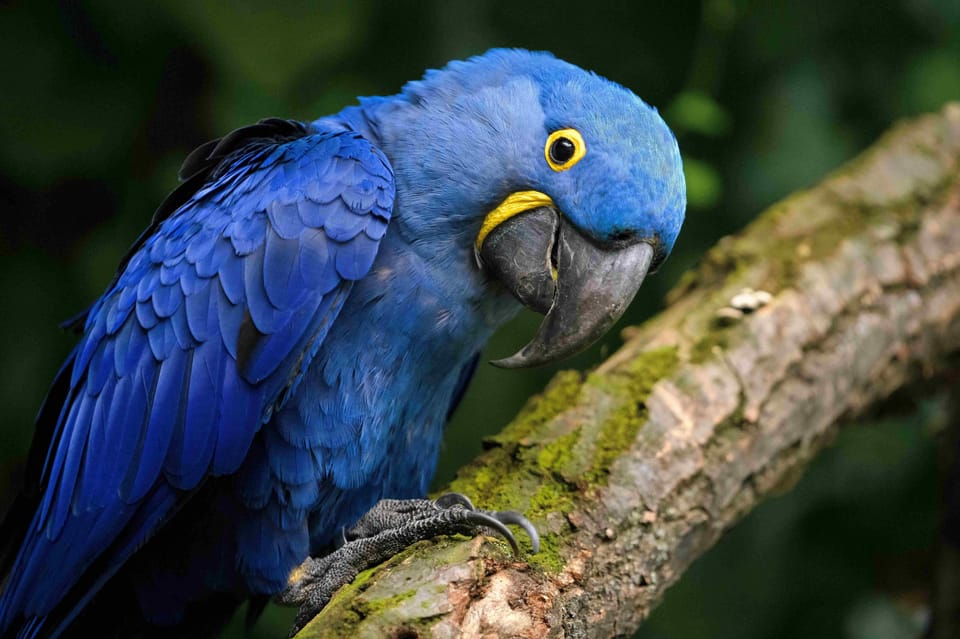
Prague Zoo is famous for its beauty and its size, but you should treat it like a workout with wildlife rewards. It’s very up-and-down, so your shoes and pacing plan do most of the heavy lifting.
Here’s what helps:
- Wear shoes with grip. Paths can be slick in rain or snow.
- Plan short rest stops. There are places to sit and watch, which keeps the day enjoyable rather than just tiring.
- Bring layers. In winter especially, it can feel cold by mid-afternoon.
- If you’re with kids, expect the day to be long. Their attention can last, but legs don’t.
If you use mobility aids, the zoo is wheelchair accessible, which is good to know. Still, wheelchair users will want to consider the hilly nature of the grounds and plan their pacing.
Food, toilets, and the “no guide needed” advantage
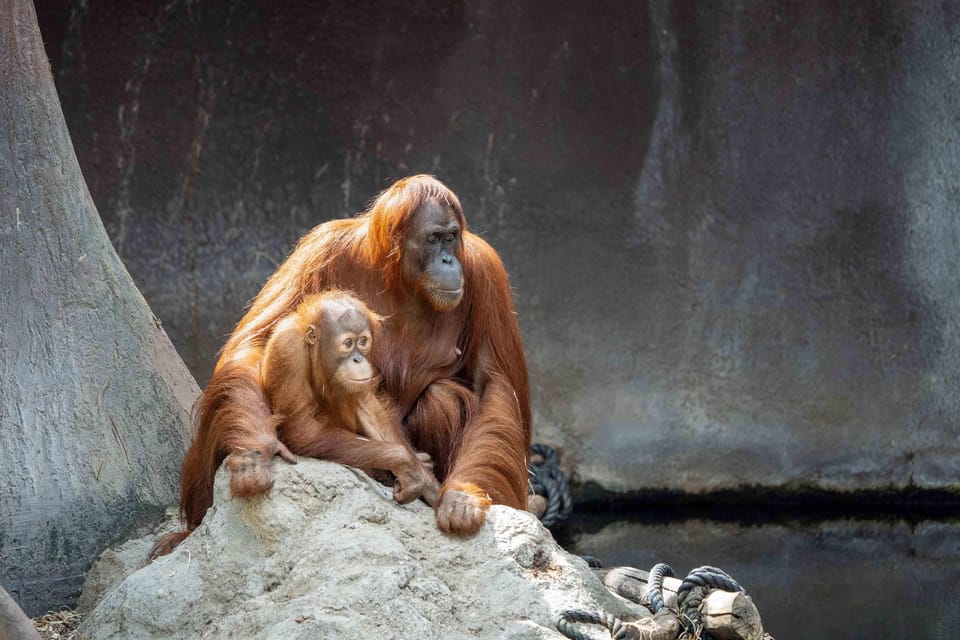
This ticket includes entry only, so you’ll manage your own food choices. That said, the grounds do have restaurants and refreshment stands. People also describe food options near specific animal areas, including places by larger exhibits.
To me, the big win is that you don’t need a guide to enjoy the day. The zoo provides signposting and information, and you can follow your interests without being locked into a program. That flexibility is ideal if you’re traveling with a mix of ages, or if someone in your group has a shorter attention span.
Toilets also tend to be plentiful. When you’re dealing with 4–5 hours outdoors (or more), this matters more than it sounds.
Rules that keep things safe: what you must know before you arrive

The zoo has a clear set of rules. A few that matter for day-to-day behavior:
- No drones
- No smoking indoors
- No feeding animals
- No touching animals
- No making noise
- No fireworks, alcohol, or drugs
- No riding the animals
- No fishing
- No nudity
One special point about December: edible gifts can be collected from 18 to 26 December at the main entrance, and the zoo specifically welcomes apples, carrots, or non-sweet dry pastries. It also lists foods that definitely won’t be used (like chestnuts, salads, tropical fruits, grains, meat, bones, etc.). If you’re visiting in December, check your snack plan so you’re not bringing something that gets declined.
If you or someone in your group is sensitive to animals, note the “not suitable” flags: the zoo isn’t a good match for people with animal allergies, people with a cold, or those with insect allergies.
Value check: why $15 for entry can make sense
At around $15 per person, this ticket is priced like a serious day activity, not a quick add-on. The value comes from the combination of things you get for that price:
- Entry to one of the world’s best-known zoos for many rankings
- A very large collection, with animals displayed in a way that keeps you watching
- Enough on-site infrastructure (food, toilets, viewing) that you can stay for most of the day
Also, with a very high rating (4.8 out of 5), it’s the kind of attraction that tends to deliver consistently. The main reason value doesn’t feel like value for everyone is simple: you have to give yourself time. If you only plan 1–2 hours, you’ll feel like you rushed and missed too much.
Who should book this skip-the-line ticket
I’d book this ticket if you fit one of these profiles:
- Families who want a big day with lots of species and places to sit
- Couples who like long walks and prefer choosing your own pace
- Animal lovers who want a serious range, from small species to major mammals
- People who hate lines and want to start quickly at the entrance
It’s less ideal if:
- You’re very sensitive to allergens or insects
- You don’t handle hills/walking well and can’t plan for breaks
- You’re hoping for a short visit
Should you book Prague Zoo skip-the-line tickets?
If you want a high-value, self-paced day in a world-class zoo, I think this is a smart booking. The skip-the-line setup helps you start faster, and the scale makes it worth the effort as long as you give yourself 4–5 hours (or more if you like to linger).
Book it if you’re traveling with kids, love big animals, or just want one day where your schedule is simple: arrive, follow your curiosity, and enjoy the space the animals get. Skip it only if you know you can’t handle the walking or if health sensitivities make a zoo day a poor fit.
FAQ
How long is the ticket valid?
The ticket is valid for one month and it allows one-time use only.
Where do I meet or enter Prague Zoo?
Look for the main entrance to Prague Zoo.
What’s included in the price?
The price includes the Prague Zoo entry ticket only.
What should I budget for food and getting there?
Food and beverages are not included, and transportation and parking fees are also not included. Parking is available for a fee of 300 CZK per day.
Are there rules about animal interaction?
Yes. Feeding animals and touching animals are not allowed, and you must follow other site rules like no drones and no smoking indoors.
What are the opening hours?
Opening hours vary by month, typically starting at 9:00 AM, and closing earlier in winter (for example, 4:00 PM in January/February) and later in summer months (often 7:00 PM).