REVIEW · PRAGUE
Prague: 2-Hour Back to Communism Walking Tour
Book on GetYourGuide →Operated by Spectrum Tours · Bookable on GetYourGuide
Prague has a second, darker storyline. This tour makes it feel real by pairing a socialism/communism primer with stops tied to how power worked in Czechoslovakia. I like that the guide is a local professional who lived through the era, so the history doesn’t sound like a textbook.
I also love the way you get both big picture and street-level detail. You’ll see the former secret communist police headquarters, a spot linked to the Stalin statue, and areas connected to the Communist Party’s seat of power, plus places of protests and Soviet occupation. The tour doesn’t just list names and dates. You’re invited to ask questions, and you hear how common life looked, along with the upsides and downsides of the system.
One thing to consider: the quality can depend on how your specific guide handles the session. Some reports point to distraction and weaker language delivery (especially in German), and this is a political walk with heavy themes—great for the right mood, not ideal if you want something light.
In This Review
- Key things I’d plan for on this walk
- Why this Prague communist walk works so well on foot
- Getting started near Na Příkopě: meeting points and timing
- The first part is the brain: socialism and communism basics before the streets
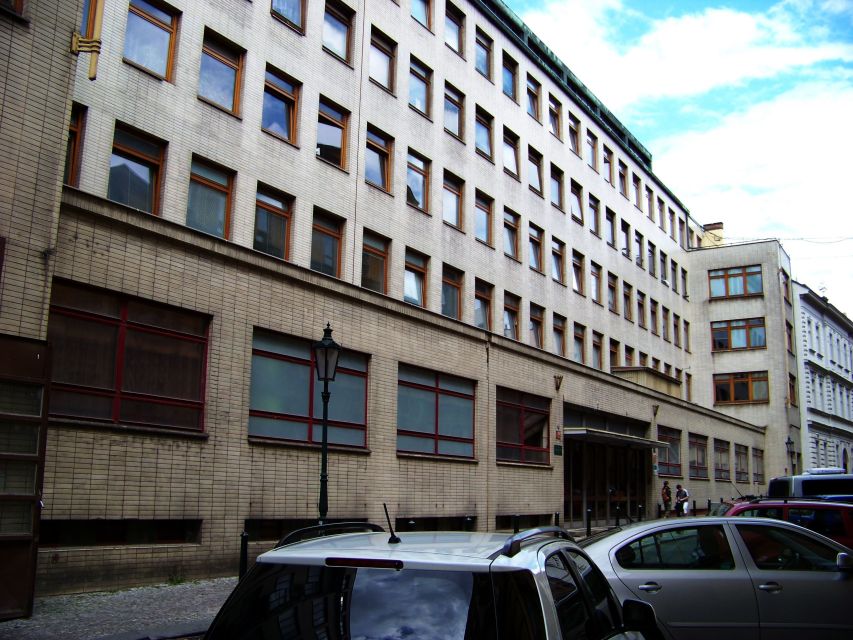
- Former secret communist police headquarters: power you can almost feel
- The Stalin statue spot: propaganda’s long shadow
- Communist Party seats and the mechanics of control
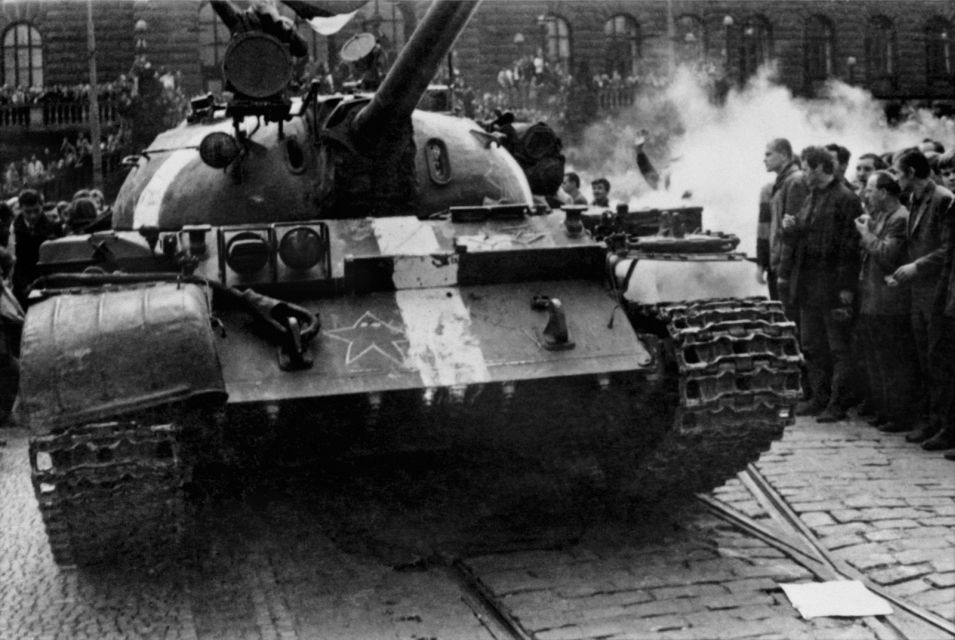
- Protests, demonstrations, rebellions, and Soviet occupation
- Pros and cons: what you actually take away
- Price and value: is $50 worth it for 2 hours?
- Language, group size, and how to choose your format
- What to do before you go so it lands better
- Who should book this Prague communist tour—and who should skip it
- Should you book? My quick decision guide
- FAQ
- How long is the Prague 2-Hour Back to Communism Walking Tour?
- How much does it cost?
- Where does the tour start?
- What will we see during the walk?
- Which languages are available for the live guide?
- Is the tour wheelchair accessible?
- Is there a private group option?
- What should I bring?
- What is not allowed on the tour?
- Is cancellation flexible?
Key things I’d plan for on this walk
- Theory first: You start with a clear introduction to socialism/communism, not random sightseeing.
- Local lived memory: Guides are locals who went through the era and can explain everyday life.
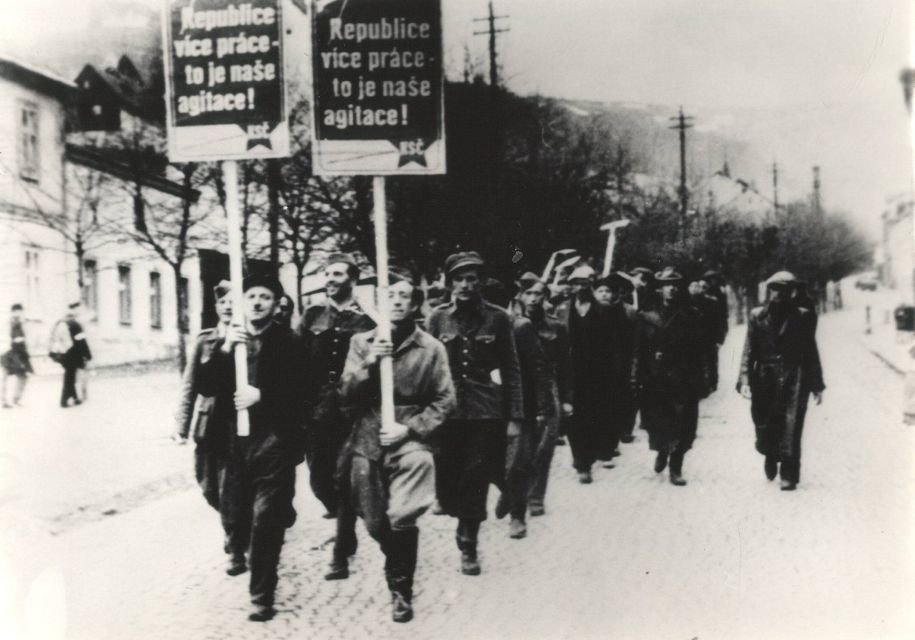
- Concrete power sites: You visit places tied to secret police work, party control, and Soviet occupation.
- Protest and rebellion stops: You learn how resistance and “normal life” collided.
- Ask-anything style: Questions are more than welcome during the walk.
- A focused lens: The tour is strongest if you want Soviet-era influence in Europe, not a broad survey of every political ideology.
Why this Prague communist walk works so well on foot
Prague has layers. Tourists see the postcard old town; locals remember the eras that never make it into photos. A walking tour dedicated to communism changes how you read the city. Suddenly, buildings and squares aren’t just pretty backdrops. They become evidence—of control, fear, propaganda, and also the pushback that kept showing up.
This experience is built around two things that work together: history as an idea, then history as a street scene. You start with the rise and spread of socialism/communism in the 19th century and how it reached Central and Eastern Europe. Then you translate that theory into what you can actually point at on the ground: former government and party power areas, protest locations, and the sort of locations where the secret police would have mattered.
If you care about understanding rather than collecting trivia, this format is a strong fit. It also helps that you’re not going at it alone. A local professional guide runs the show, and the stories aren’t only dates—they’re how life felt, with pros and cons discussed instead of only one-sided slogans.
You can also read our reviews of more walking tours in Prague
Getting started near Na Příkopě: meeting points and timing
This walk runs about 1 to 2 hours, and your exact meeting spot depends on the option you booked. You’ll meet at one of two locations on Na Příkopě: Na Příkopě 28 or Na Příkopě 864. Because meeting points can vary, I’d treat your confirmation details like the truth—not “close enough.”
The biggest practical thing here is simple: plan to be ready to move quickly. This isn’t a long day-trip; it’s a tight route where the guide needs time to connect each stop to the ideas you heard at the start. If you wander off to grab a coffee “just for a minute,” you’ll lose the thread.
Also note what you bring. You’ll want passport or ID card with you. And leave luggage or large bags behind. This is a walking tour, so keep it light—small bag or daypack size is the sensible choice.
The first part is the brain: socialism and communism basics before the streets
One of the best design choices here is that you don’t start with buildings. You start with the framework. At the beginning, you get a comprehensive introduction into the history and theory of socialism/communism—how it rose in the 19th century and how it spread into the region.
Why does that matter? Because Prague’s communist-era sites can feel confusing if you only know the vague “Soviets did it” version. The primer gives you vocabulary: what different systems promised, what they delivered, and why so many people—at different times—believed in parts of it even when the reality could be grim.
During the walk, you’ll hear how Cold War survivors describe common life during the era. That’s not just emotional storytelling. It becomes context for what you’re seeing: the way power operated, the role of party leadership, and the impact of Soviet occupation on day-to-day choices. And because discussions and questions are welcome, you can fill in gaps as they come up.
A good note on language: the live guide operates in Czech, English, or German. If you have a strong preference, pick the language you’re most comfortable thinking in. Some feedback suggests German delivery may vary by guide, so your safest bet is the language you can follow without strain.
Former secret communist police headquarters: power you can almost feel
One stop centers on the former secret communist police headquarters. Even if you’ve read about Stasi-style systems in other countries, seeing a specific place tied to surveillance and enforcement gives it sharper edges. The point isn’t just shock value. It’s how a state built its control structure—and why fear could become part of routine.
When you stand in front of sites like this, listen for how the guide connects the idea to behavior: what people could and couldn’t say, how loyalty was performed, and how the presence of secret policing shaped private life. The tour aims to explain the mechanisms, not just the headline events.
Downside? The theme can land heavy. This walk includes periods where the atmosphere is described as still depressing today. If you’re in Prague for a purely sunny mood, that may wear on you. But if you want to understand how everyday life was affected by political control, this is exactly the kind of stop that turns history into lived reality.
The Stalin statue spot: propaganda’s long shadow
Another key moment is a spot associated with the Stalin statue. In many places, statues are treated like decoration. Here, it’s different. A statue is a message with a schedule—who is in charge, what ideology is supposed to feel normal, and what the state wants you to remember every time you pass.
The value of visiting a statue-linked point isn’t that you’ll see the statue again. It’s that your guide can connect it to how communism used public symbols to legitimize authority and shape behavior. You learn how these kinds of symbols helped frame the Soviet relationship and how that messaging worked at human scale—through repetition, fear, and the pressure to conform.
If you enjoy understanding political theater, this stop is a great one. It’s also a reminder that regimes don’t only control laws and borders; they try to control meaning.
You can also read our reviews of more tours and experiences in Prague

Communist Party seats and the mechanics of control
The tour also includes the current and former seat of the Communist party. That’s where the “idea” part becomes visible as governance. You’re not just hearing about a doctrine. You’re learning how institutions in Prague connected ideology to administration—who made decisions, where policy was shaped, and what that meant for ordinary people.
This is the part of the walk that helps you connect the dots between major events and daily constraints. The tour’s promised focus on both advantages and disadvantages makes this more balanced than the typical “only oppression” framing. You’ll hear about the claimed benefits of the system and then how those claims measured up against the realities people experienced.
A practical tip: keep your ears open for the guide’s explanation of how “the party” didn’t just sit in offices. It influenced behavior across society. That’s where the tour earns its name—back to communism—because it brings you back to how ideology functioned as a lived structure.
Protests, demonstrations, rebellions, and Soviet occupation
Prague has visible scars from political conflict: protest sites, demonstration locations, and areas tied to rebellions, revolutions, and Soviet occupation. This isn’t presented as one clean story with one ending. It’s a sequence of moments—some planned, some chaotic—where people pushed back or reacted to outside control.
Why this matters: it prevents the city from turning into a museum of only authority. Resistance is part of the record too. When your guide talks through these episodes, you start to understand how political change can build momentum over time, especially when a system’s legitimacy cracks.
One more reason I like this portion: it helps you see why some places still feel “depressed.” Not because the guide is forcing gloom, but because certain spaces carry the weight of public pressure and loss. If you’re ready for that, you’ll leave with a more accurate mental map of modern Prague.
Pros and cons: what you actually take away
A lot of political tours fall into one of two traps: either they praise the system, or they only condemn it. This one tries to do something harder—discuss the advantages as well as disadvantages.
You’ll hear how people viewed the system in terms of stability, order, and the promises it made. Then you’ll also hear what those promises cost: restrictions, pressure, and the impacts of Soviet influence. You’re not expected to agree. You’re expected to understand how the system worked, why it attracted supporters, and why it eventually faced growing resistance.
That “pros and cons” approach is valuable for you even if your politics are already formed. It helps you read history without turning it into a simple scoreboard. You learn to recognize how fear and hope can coexist inside the same society.
Price and value: is $50 worth it for 2 hours?
At $50 per person for about 1 to 2 hours, the value depends on what you want from Prague.
Here’s how I’d judge it:
- If you want a guided explanation from a local professional who lived through the era, $50 can feel fair. The cost buys you translation of complicated history into what you see on the street.
- If you mostly want quick photos and generic narration, it’s probably not the best spend. This tour’s strength is depth and context, not scenery.
You’re also paying for a live guide in Czech, English, or German, plus the local perspective. With such a short duration, the tour needs to be efficient—and this is why guide quality matters. If your guide keeps the session organized and moves at a steady pace, you’ll likely feel you got your money’s worth fast. If your guide is distracted, your experience can suffer.
Language, group size, and how to choose your format
You can join a standard tour (duration and starting times depend on availability) or book a private group available option. If you want a tight conversation and more personal pace, private can help you ask more questions without waiting for the group flow.
About languages: the tour runs in Czech, English, and German. There’s enough mention of uneven German delivery that I’d treat English as the most reliable default unless German is your comfort language.
On the group side, keep one expectation clear: this is built as a walking tour with a structured route. If you specifically want a fully customized experience every step of the way, you might prefer private. If you’re okay with a set plan and enjoy shared Q&A, the standard group can work fine.
What to do before you go so it lands better
You’ll get the best experience if you show up ready to listen—not just to look. Here are a few ways to set yourself up with zero extra fuss:
- Skim up on Soviet influence in Central Europe before your walk, so the names and dates make sense faster.
- Bring ID and keep bags minimal so you don’t feel stressed about what to carry.
- Pick your language based on comfort, not pride. If you’re not sure you’ll understand every sentence in German, choose English.
And bring the right attitude. This tour includes sites tied to secret policing and conflict. You don’t need to be gloomy, but you should be emotionally open to heavy topics.
Who should book this Prague communist tour—and who should skip it
Book it if:
- You want a focused, Soviet-era lens on how communism shaped Prague and Czechoslovakia.
- You like guides who connect theory to real places, especially when they can explain everyday life from firsthand memory.
- You enjoy asking questions and getting clear answers instead of only hearing a script.
Skip it if:
- You want a light, “just show me the sights” walking tour.
- You’re looking for communism explained outside the Soviet influence frame. This route is built for that specific political storyline.
The bottom line: this tour is not trying to be everyone’s perfect first stop in Prague. It’s a targeted experience for people who want to understand a specific era and see how ideology left physical traces in the city.
Should you book? My quick decision guide
If you’re the type who reads the plaque and asks why a building matters, this walk is a strong bet. The combo of a socialism/communism primer plus on-the-ground stops—secret police HQ, the Stalin statue spot, Communist Party seats, and protest/occupation locations—gives you a route that makes ideas tangible.
If your goal is only pretty views, save your budget. But if you want to walk through Prague with context in your head, and you don’t mind heavy themes, I’d book it—ideally in the language you follow best—so you get the full value of the guide’s storytelling and explanations.
FAQ
How long is the Prague 2-Hour Back to Communism Walking Tour?
The duration is listed as 1–2 hours.
How much does it cost?
The price is $50 per person.
Where does the tour start?
The meeting point can vary by option. Two listed starting options are Na Příkopě 28 and Na Příkopě 864.
What will we see during the walk?
You’ll visit important places tied to the history of communism in Prague, including the former secret communist police headquarters, a spot related to the Stalin statue, areas connected to the Communist Party’s seat(s), and locations related to protests, demonstrations, rebellions, revolutions, and Soviet occupation.
Which languages are available for the live guide?
The live guide is available in Czech, English, and German.
Is the tour wheelchair accessible?
Yes, it is listed as wheelchair accessible.
Is there a private group option?
Yes, private group available is listed.
What should I bring?
Bring passport or ID card.
What is not allowed on the tour?
Luggage or large bags are not allowed.
Is cancellation flexible?
Yes. Free cancellation up to 24 hours in advance is listed, with a full refund.