REVIEW · PRAGUE
Prague: Modern Architecture and Design Guided Tour
Book on GetYourGuide →Operated by DH Travel s.r.o. · Bookable on GetYourGuide
Prague has a modern heartbeat beyond the old streets. I like that it treats modern architecture as essential, not an afterthought, and I love the way the guide explains design principles behind what you see. You might find the tour less of a strict style syllabus and more of a story-led route through standout corners of 20th and 21st-century Prague.
In two hours, you’ll pace through about ten points of interest, enough time to notice materials, shapes, and the political mood that shaped them, without feeling trapped in a lecture. I also like the question-friendly format, so you can end with practical ideas for spotting modern design on the rest of your Prague days.
The tour is live-guided in English and is wheelchair accessible, but it still means walking around a real city block-to-block. Comfortable shoes make a difference, especially if you’re also touring historic Prague the same day.
In This Review
- Key things you’ll get from this modern architecture tour
- Prague’s Modern Side: Why This 2-Hour Tour Works
- How Ten Stops Add Up Without Feeling Rushed
- Socialist Realism: When Buildings Had a Mission
- Brutalism in Prague: Concrete With a Backstory
- Experimental Installations: The 21st Century City in Action
- The Design Talk: What You’ll Actually Learn
- Guide Quality and English-Friendly Explanations
- Price and Value: Is $35 Fair for Two Hours?
- Who Should Book This Modern Architecture Tour
- Quick Tips to Get More from the Walk
- Should You Book This Prague Modern Architecture and Design Tour?
- FAQ
- How long is the Prague Modern Architecture and Design Guided Tour?
- How many stops or points of interest will we see?
- How much does the tour cost?
- Is the tour guided, or self-guided?
- What language is the tour offered in?
- Is food and drinks included?
- Is the tour wheelchair accessible?
- What is the cancellation policy?
- Can I reserve without paying right away?
Key things you’ll get from this modern architecture tour
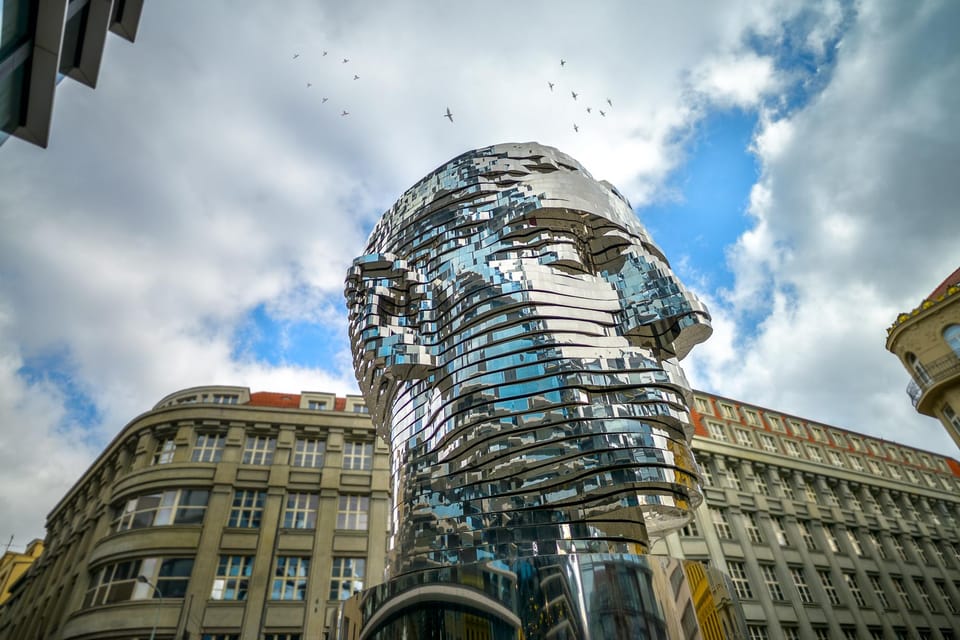
- Ten stops in two hours: fast, focused, and built to keep you looking instead of just listening
- The “why” behind the look: design principles tied to cultural influences from the 20th into the 21st century
- Big swings in styles: socialist realism, brutalism, and experimental installations
- A personal, story-forward approach: less checklist, more connections between buildings and everyday life
- Easy communication: live English guide plus time for questions after the walk
Prague’s Modern Side: Why This 2-Hour Tour Works
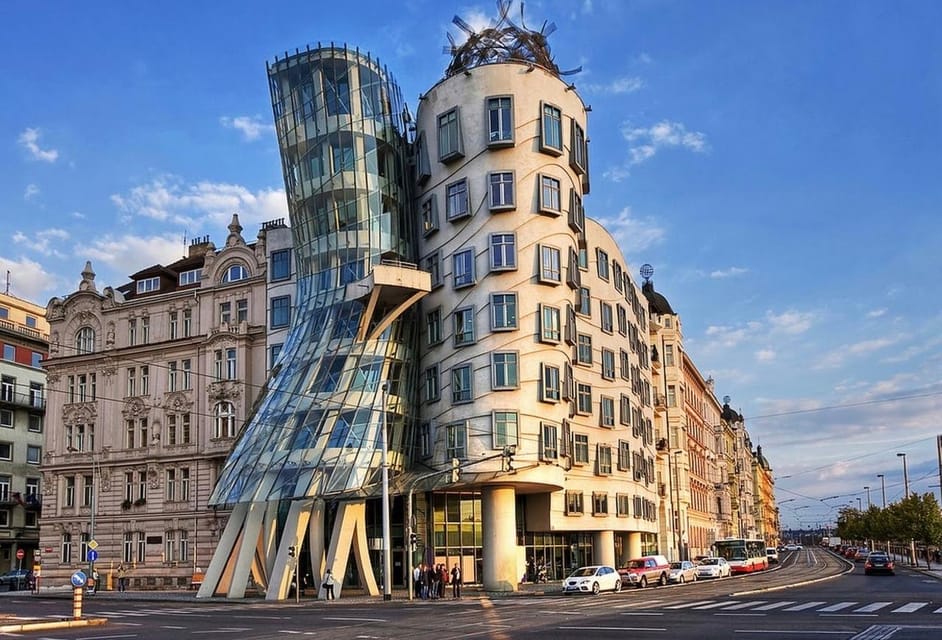
Most people arrive in Prague with a mental postcard: old bridges, spires, romantic facades. That’s real. But this tour nudges you to look at the city’s more modern identity, the stuff that often gets ignored because it doesn’t scream “medieval.”
What makes this format click is the time. Two hours is short enough that you stay sharp. You aren’t trying to master architectural theory before lunch. Instead, you get a guided set of visual prompts: what to notice, how to connect a building’s shape to the era that produced it, and how urban life changed as Prague moved through the 20th century and into today.
I also like the balance of approach. You don’t just get aesthetic opinions. You get context: the cultural forces that shaped what designers built and why people lived with it. That’s the difference between seeing concrete and actually understanding what it was meant to do.
You can also read our reviews of more guided tours in Prague


How Ten Stops Add Up Without Feeling Rushed
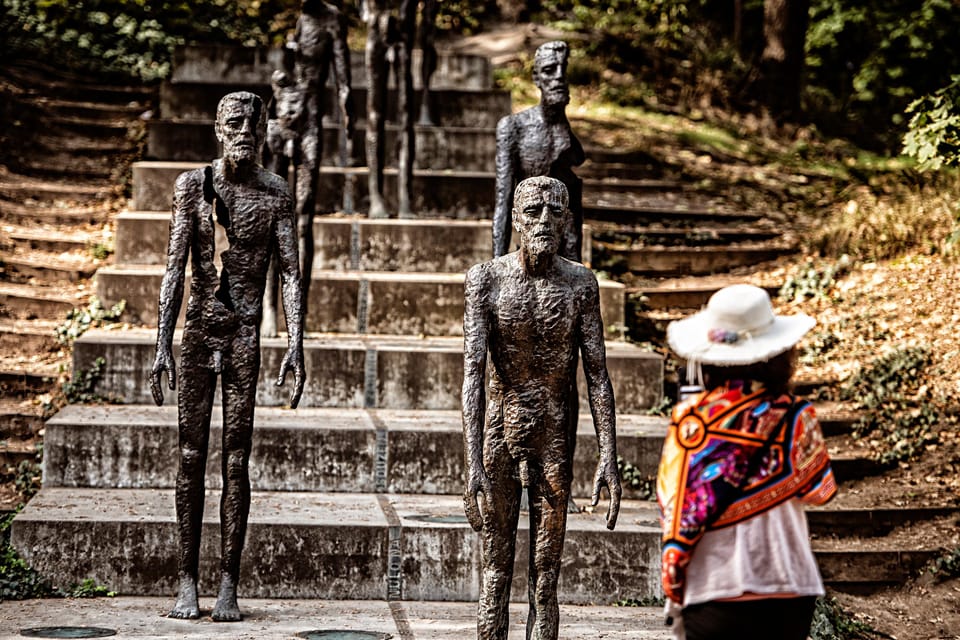
You cover around ten points of interest in two hours, so you’ll move in a steady rhythm. Expect a walk-and-stop cadence: brief viewing, then explanation, then a quick hop to the next location. This is ideal if you like architecture but don’t want a full-day tour where you start glazing over by stop five.
Because the route is condensed, you’ll notice a key practical benefit: you can use it as a pattern-spotting tool. After the tour, you’re not starting from zero. You already know what questions to ask yourself when you see unfamiliar buildings.
One thing to keep in mind: this isn’t marketed as a strict, style-by-style survey where you’ll cover every category in perfect order. It’s more personal and interpretive. Some buildings might not be the obvious “prettiest” ones in Prague. Instead, you’ll focus on places with interesting stories—places where the design choices connect to the era, the politics, or the daily realities of city life.
Socialist Realism: When Buildings Had a Mission
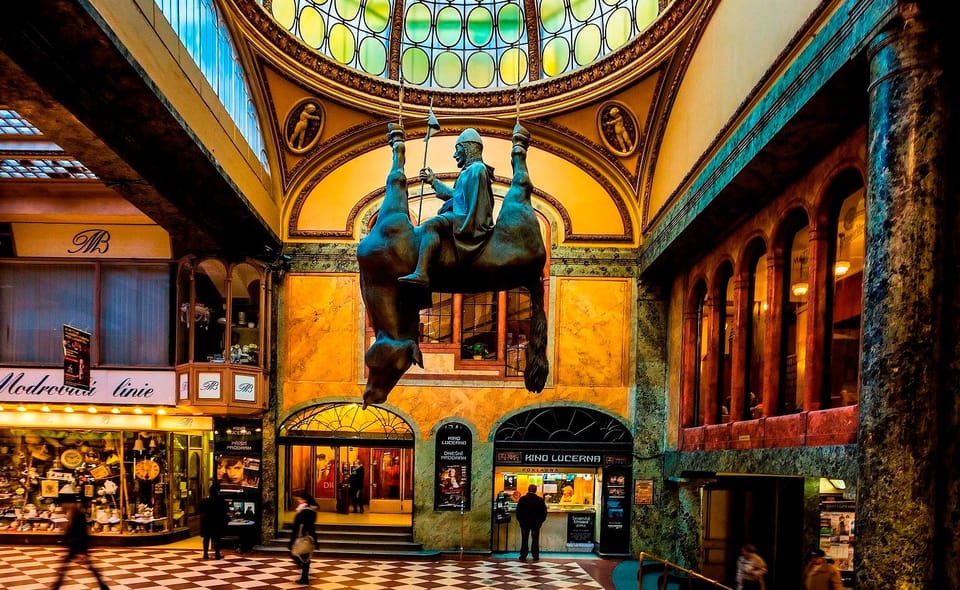
One of the strongest ideas in this tour is the link between architecture and ideology. Socialist realism is all about messaging, not just aesthetics. You’ll learn how this design language aimed to project values through form and massing—how buildings tried to communicate power, order, and an official version of progress.
On the street, that often means you’ll be looking for the visible clues: a building that feels determined to be seen, forms that push clarity over subtlety, and designs that speak a loud visual dialect. The guide’s job here is to translate what you’re looking at from pure appearance into cultural meaning.
I like this part because it changes your reading of Prague. You stop thinking of the 20th century as an awkward side chapter. It becomes part of the city’s ongoing story—one where architecture was treated like a tool, not just a backdrop.
Brutalism in Prague: Concrete With a Backstory
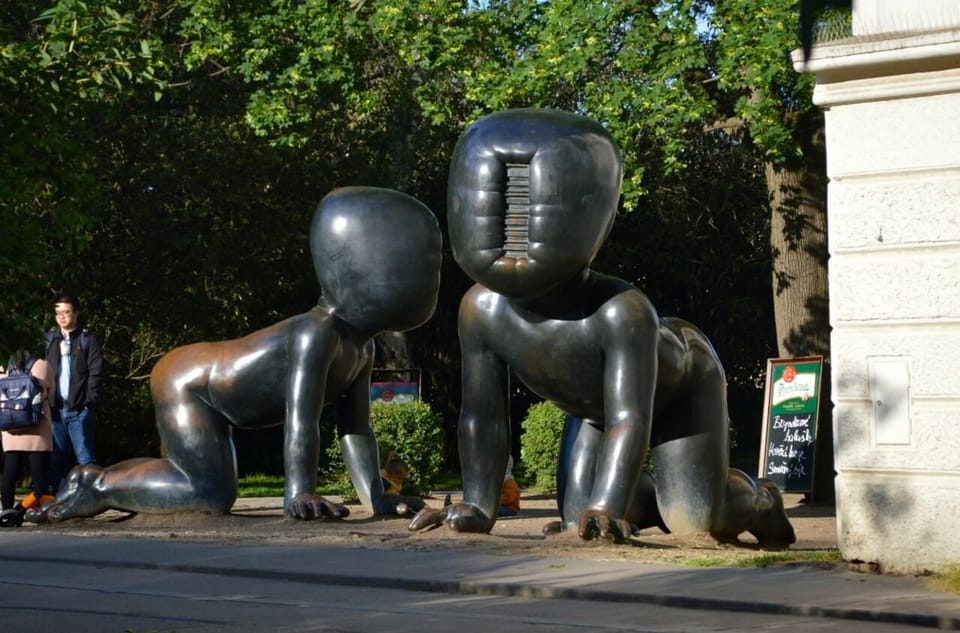
Brutalism can be polarizing. Some people love the honesty of raw materials. Others think it looks like the world turned industrial and forgot to switch back to pretty. Either way, it’s not random.
This tour highlights brutalism as a major thread in Prague’s modern identity. You’ll hear design principles that explain how brutalist architecture handles mass, texture, and structure—often with a blunt directness that feels almost confrontational. But the goal isn’t to convince you that all brutalism is beautiful. The goal is to help you see why it looks the way it does and why it mattered at the time.
This section is also where you’ll likely start noticing that “style” isn’t just a fashion label. It’s a response to constraints: construction methods, urban planning priorities, and what society expected architecture to deliver.
If you’re the type who likes to photograph buildings, this is where you’ll get the most satisfying angles. Concrete surfaces and big geometric forms reward a second look after the explanation lands.
Experimental Installations: The 21st Century City in Action
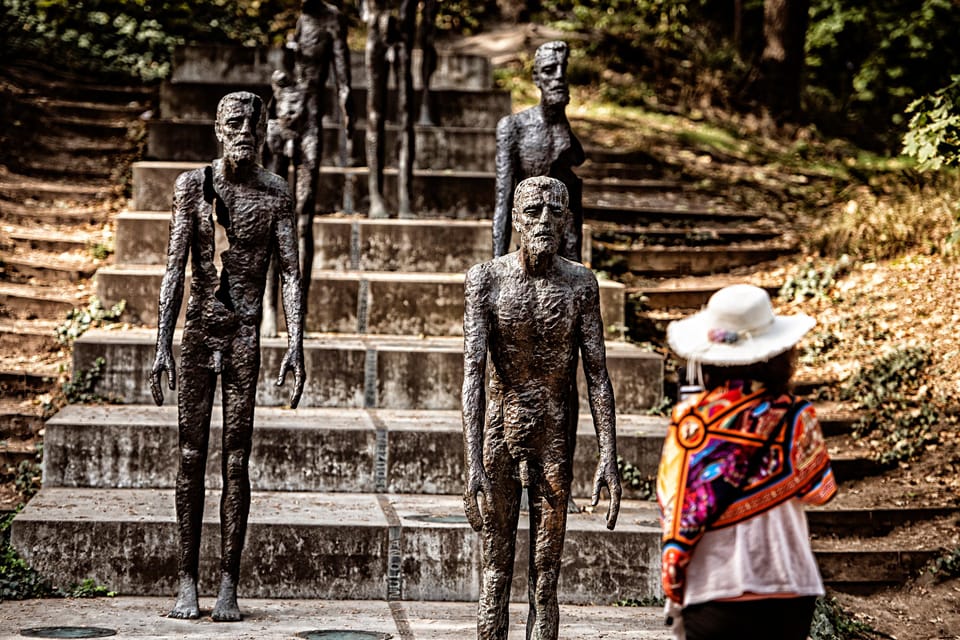
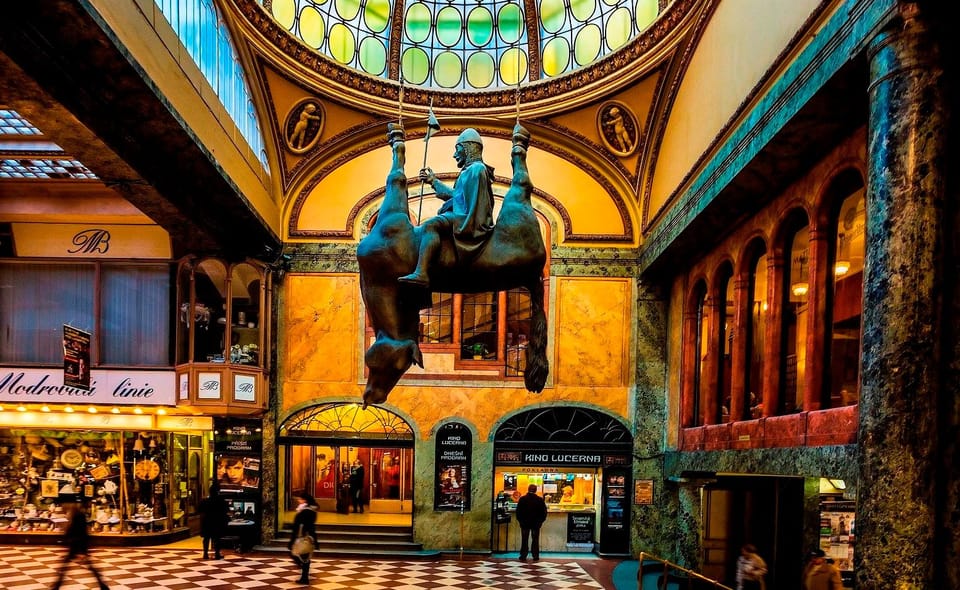
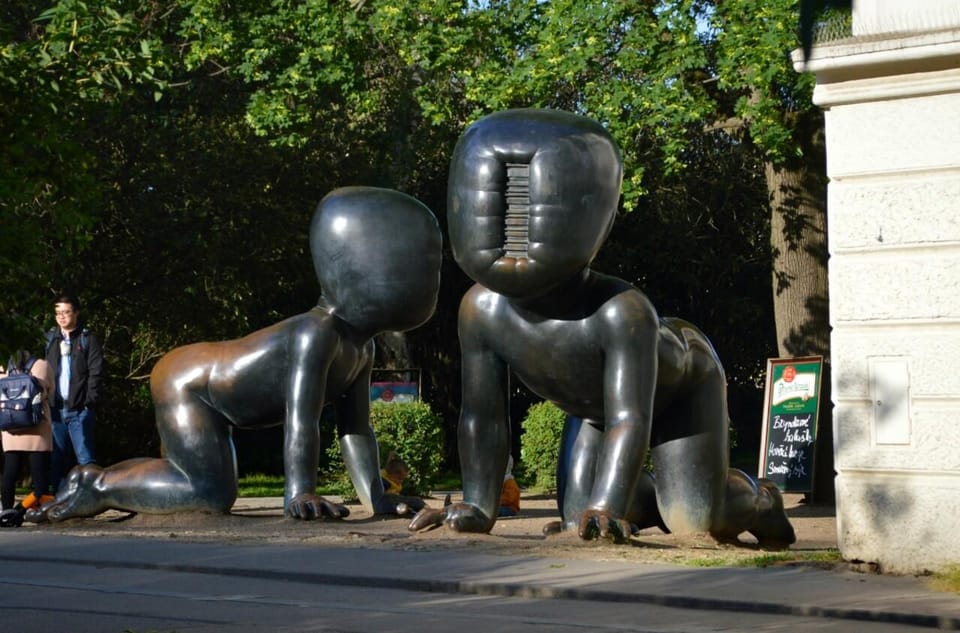
Prague’s modern identity isn’t only about fixed buildings and one-time constructions. The tour also touches experimental installations—works that can feel more fluid and contemporary than classic architecture.
Here, the value is in learning how to look at modern art and design without needing a degree in theory. You’ll get guidance on what those installations are doing visually and culturally—why artists chose certain forms and how the city context shapes the experience.
I like that this kind of stop helps break the spell of “old Prague only.” It tells you that the modern city isn’t frozen. It keeps testing ideas in public spaces, and it keeps offering new ways to interact with the built environment.
If you’ve never really paid attention to installations before, this is often the section that changes your habits. Suddenly you notice details you would’ve walked past five minutes earlier.




The Design Talk: What You’ll Actually Learn
This tour’s big strength is that it connects design principles to cultural influence. That means you aren’t just collecting facts like a checklist. You’re building a mental framework you can use later.
In practice, the guide helps you learn how eras show up in:
- Material choices (what gets used and why)
- Form and proportion (how massing affects the feel of a place)
- Public messaging (how architecture reflects power or identity)
- Urban living (how buildings shaped daily movement and use)
You’ll also hear interpretations that make the modern parts of Prague feel less mysterious. Instead of seeing random-looking structures, you start seeing decisions. And once you see decisions, you can start reading the city more confidently on your own.
I find this helps even if you’re not an architecture nerd. You don’t need specialized vocabulary. The guide’s explanations are meant to guide your eyes.
Guide Quality and English-Friendly Explanations
This is a live-guided tour in English, and the pacing leaves room for questions. That matters because modern architecture can be hard to interpret if you’re looking at it without context.
One name you may hear in some departures is Michael. On at least some runs, he’s described as friendly and actively available for questions after the tour. The best outcome is that you don’t just leave with photos—you leave with follow-up prompts you can use immediately while sightseeing.
Also, the guide doesn’t only cover the “most beautiful” buildings. The style of this tour favors places with interesting stories behind them. That’s a thoughtful choice, because a city’s identity isn’t built only from postcards. It’s built from the decisions people made and the life that happened in and around those structures.
Price and Value: Is $35 Fair for Two Hours?
At $35 per person for a 2-hour guided experience, the value comes down to how you like to travel.
If you enjoy guided walks where the guide teaches you what to look for, this price is reasonable. Ten points of interest in a short window is a good density for a city like Prague, where you can otherwise spend the same time moving between places without deeper understanding.
The included piece is simple: a live guide. No food and drinks are included, so think of it as a focused architecture session, not a full-day outing with meals. If your plan includes other Prague stops around it, you’ll probably get more satisfaction because the tour gives you a new lens, then you can apply that lens elsewhere.
Also, this format can be great if you’re trying to do more than one theme in a limited stay. It’s compact. You can slot it between historic sights and still keep energy for the evening.
Who Should Book This Modern Architecture Tour
This tour is best for you if:
- You like design and want the story behind the look
- You want modern Prague to make sense, not just impress you for a moment
- You enjoy a guided pace that covers multiple stops without exhausting you
It may not be the best fit if you want a strict, step-by-step architectural survey where every style gets equal “coverage” in a predetermined order. The route is more personal and story-forward, with stops selected for what they teach, not for presenting a perfect timeline.
Practical fit notes:
- It’s wheelchair accessible, so it’s a strong option for mobility needs compared to tours that rely on steep terrain.
- It’s English-friendly and guided, so solo travelers who like conversation will probably feel comfortable.
Quick Tips to Get More from the Walk
A couple small moves can make this tour much more rewarding:
- Bring your curiosity. Ask why a building feels the way it does, not just what style it belongs to.
- Watch materials and edges. In modern architecture, small details often carry big meaning.
- Plan your day around your eyes. If you pair this with classic historic sights, you’ll get extra contrast. Modern Prague reads better when you’re already familiar with the older city vibe.
- Skip expecting snacks. Since food and drinks aren’t included, plan to handle that before or after.
Also, take photos, but do it with intent. After the guide explains the design principle, take a second photo from the same spot. You’ll be surprised how different the building looks once you’ve learned what to look for.
Should You Book This Prague Modern Architecture and Design Tour?
I’d book this tour if you want Prague to feel like a real living city, not only a museum of old stone. It’s a smart way to learn how Prague’s 20th and 21st-century architecture reflects the culture that produced it—especially if you care about design choices, not just appearances.
Go for it if you appreciate guided explanation and a route that hits about ten points of interest in two hours. The price is fair for a focused, live teaching walk, and the flexibility (like free cancellation up to 24 hours in advance) makes it easy to fit into a changing itinerary.
Pass if your ideal tour is a structured, comprehensive architectural syllabus with no storytelling surprises. This one is more like a guided conversation with the city, with stops selected for what they reveal.
FAQ
How long is the Prague Modern Architecture and Design Guided Tour?
The tour lasts 2 hours.
How many stops or points of interest will we see?
You’ll visit 10 points of interest during the 2-hour guided tour.
How much does the tour cost?
The price is $35 per person.
Is the tour guided, or self-guided?
It includes a live tour guide.
What language is the tour offered in?
The live guide speaks English.
Is food and drinks included?
No. Food and drinks are not included.
Is the tour wheelchair accessible?
Yes, the tour is wheelchair accessible.
What is the cancellation policy?
You can cancel up to 24 hours in advance for a full refund.
Can I reserve without paying right away?
Yes. The option is reserve now & pay later, so you can book and pay nothing today.