REVIEW · PRAGUE
Prague: Communism History and Nuclear Bunker Guided Tour
Book on GetYourGuide →Operated by Prague Special Tours · Bookable on GetYourGuide
Cold memories live underground in Prague. This guided experience pairs a city walk through communist-era flashpoints with a real 1950s nuclear bunker about 50 feet below ground, where you’ll see authentic Cold War-era displays and equipment. I really liked how guides bring the period to life with human stories, and I especially enjoyed the hands-on gasmask workshop. One drawback to plan for: it’s a walking tour with stairs, and it’s not a fit if you have mobility limits or claustrophobia.
I’d also circle this because the tour doesn’t feel like a checklist of facts. In the bunker and museum, guides use firsthand perspective and sharp storytelling, with names like Stan and Ladislav popping up in the way people describe the experience, plus guides such as Pavel and L who keep the mood controlled but not stiff. You should come ready for a serious subject, plus some grim details that explain how paranoia and repression worked on ordinary people.
In This Review
- Key Things That Make This Tour Worth Your Time
- Why Prague’s Cold War Story Works Best On Foot
- Velvet Revolution Memorial: When History Turns Into Movement
- Wenceslas Square and Národní: The Places Where Power Became Visible
- The Tram Ride Out to the Bunker: Practical Cold War Geography
- Entering the 50-Foot-Deep Nuclear Bunker
- Museum Exhibits: From Equipment to Everyday Impact
- The Gas Mask Workshop: Fear Gets Hands-On
- Tour Flow From New Town to Malé Náměstí
- Price and Value: What You Get for $44
- Who This Tour Is Best For (and Who Should Skip It)
- What to Do Before You Go
- Should You Book This Prague Communism and Nuclear Bunker Tour?
- FAQ
- How long is the Prague Communism and Nuclear Bunker Guided Tour?
- How much does the tour cost?
- What’s included in the price?
- What language is the tour offered in?
- Is video recording allowed inside the bunker?
- Is the tour wheelchair accessible?
- Is the tour suitable for claustrophobia?
- Are there toilets at the starting point?
Key Things That Make This Tour Worth Your Time
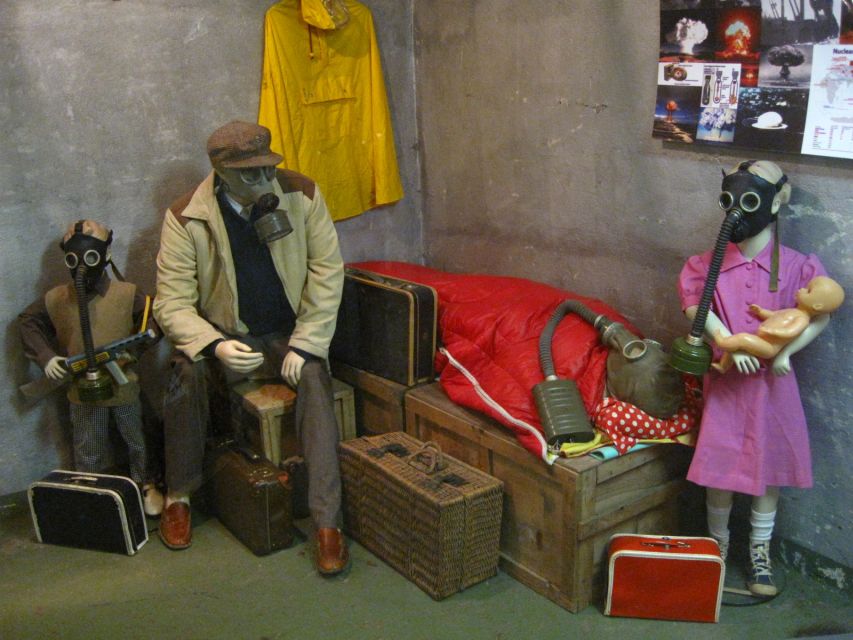
- A real 1950s bunker 50 feet underground with genuine Cold War displays and equipment, not just themed sets
- Guides with lived context from Czech communist-era life, like Stan and Ladislav (based on visitor comments)
- A city walk through communist flashpoints before you go out of central Prague
- Museum stop plus a gasmask workshop, so you see fear as something practical, not abstract
- Tram + short transfers that help you get to an off-center bunker without figuring it out solo
Why Prague’s Cold War Story Works Best On Foot
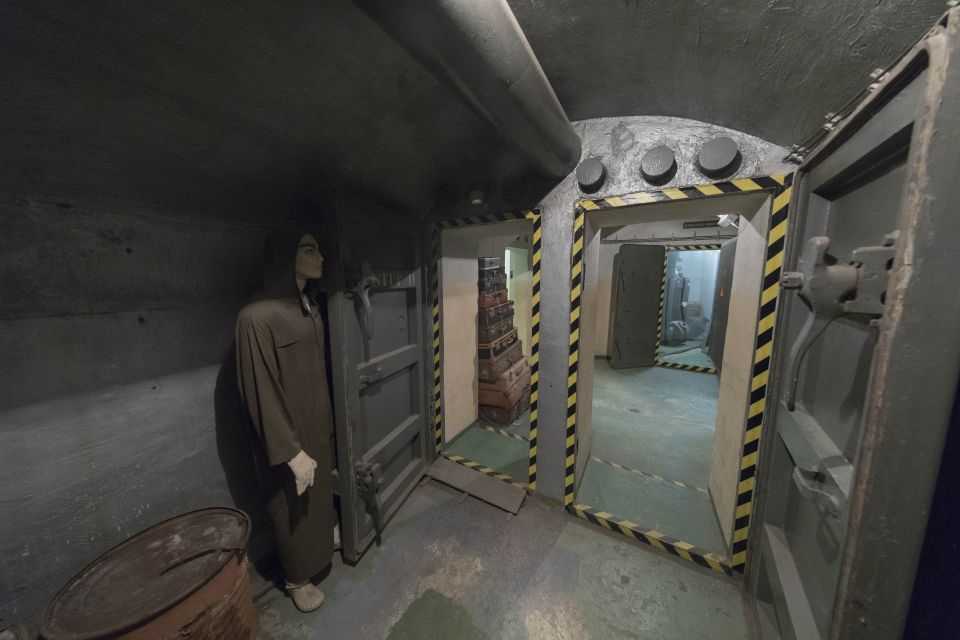
Prague can look postcard-pretty, but this tour pushes you to see the city’s other layer: surveillance, ideology, and the constant sense that the wrong sentence could follow you home. You start with a guided walk that sets the political stage, then you move from squares and memorials into the machinery of the Cold War.
What I like is the pacing. You don’t rush straight to the bunker like a theme park visit. Instead, you get the street-level context first, so the bunker later feels less like an odd detour and more like the logical end of a system built on fear.
And yes, the atmosphere can be heavy. The best part is how the guide keeps it human—how communist life shaped daily routines, careers, travel, and private conversations, plus how spies, political prisoners, dissidents, and refugees fit into that story.
You can also read our reviews of more guided tours in Prague
Velvet Revolution Memorial: When History Turns Into Movement
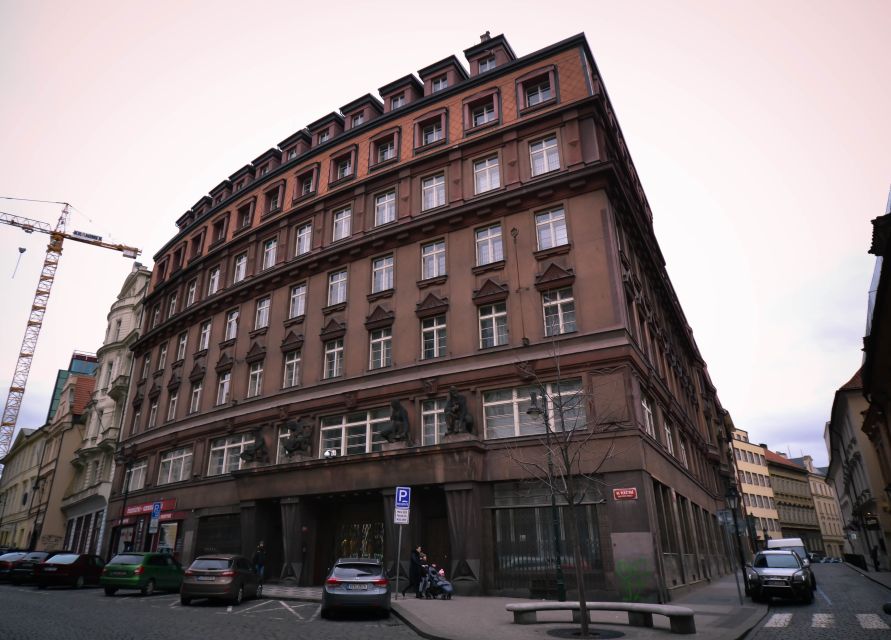
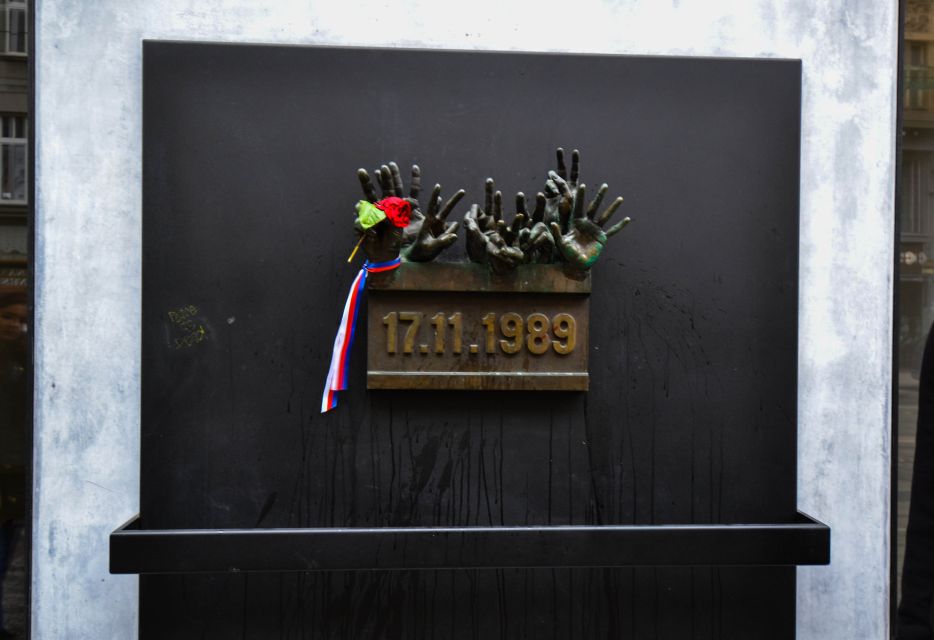
One of the first stops is the Velvet Revolution Memorial, and this matters because it anchors the end of the story. Even if you only know a few Cold War milestones, this stop helps you connect the dots from repression to revolt.
You’ll likely get commentary that focuses on what people actually wanted in 1989 and what it took to push back. The memorial angle keeps it from becoming just dates and names. Instead, you can feel how political change in Czechoslovakia came from real people, in real streets.
Because this tour is guided, you don’t just look at a monument. You get the meaning, including why the Velvet Revolution became a symbol of a different future.
Wenceslas Square and Národní: The Places Where Power Became Visible
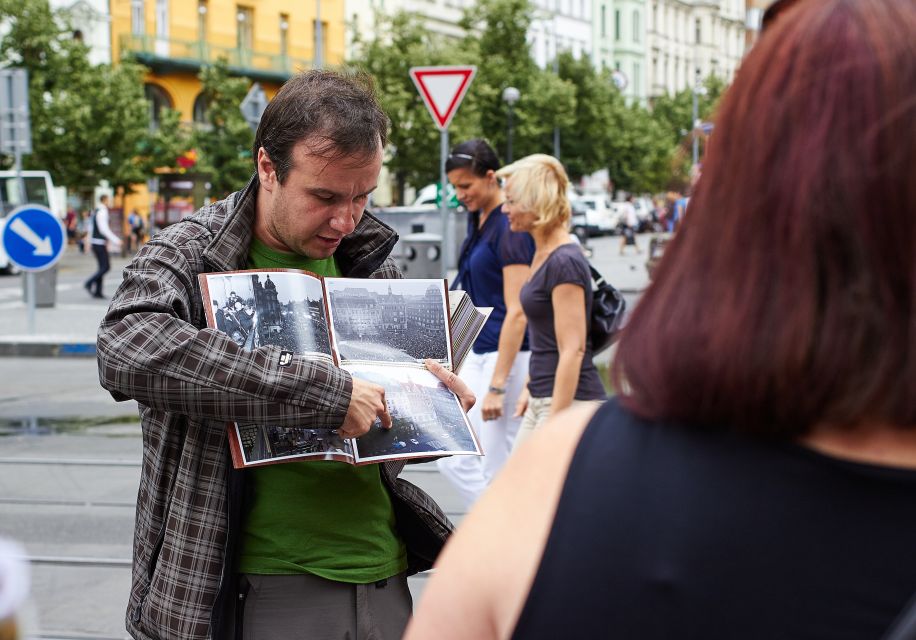
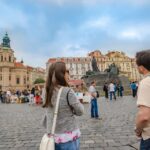
Then you move through central sights linked with the era’s public life—especially the kind of places where the state wanted to be seen. Wenceslas Square is a major setting for modern Czech history, but on this tour it’s treated as more than a viewpoint or a photo stop.
The guide uses these stops to explain the communist-era mindset: how propaganda worked, what public gatherings meant, and how state power tried to control narrative. You’ll also get signposts connected to the era’s more notorious elements, including references to the biggest statue of Stalin ever built and the former headquarters of the communist secret police.
A quick heads-up: if you expect only one narrow topic, you might find the street portion broad. That’s intentional. The point is to show how communism shaped everything from politics to public space.
The Tram Ride Out to the Bunker: Practical Cold War Geography
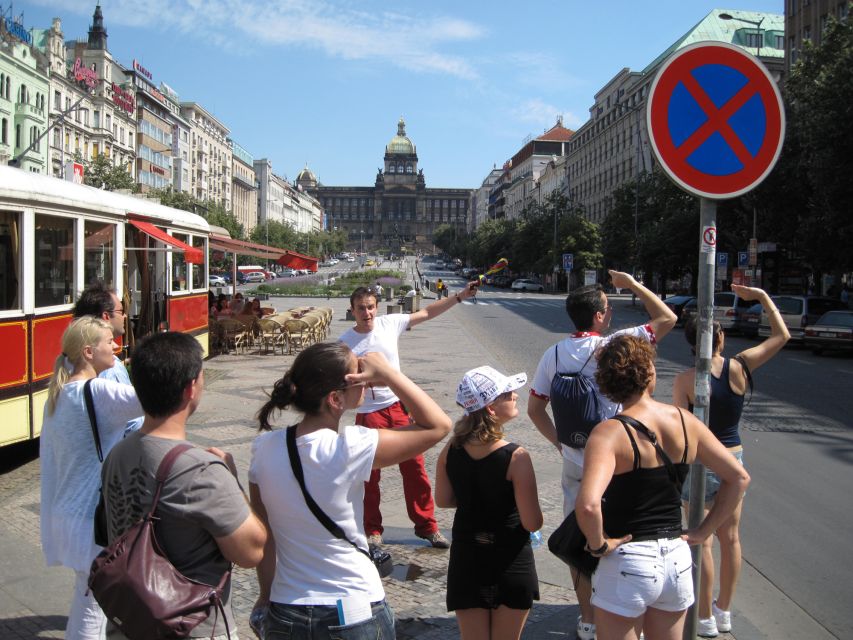
After the city stops, you transfer and head toward the bunker. In practice, you’re looking at a short ride and a change of pace, and visitors note it’s a helpful way to get out of central areas without doing logistics yourself.
Why this leg matters: Cold War fear wasn’t only in grand institutions. It was built into planning for civilians too—so the bunker visit later feels like part of the wider civic landscape, not an isolated oddity.
This part is also where you’ll want to think about comfort. The tour includes transfers and a walking route, and the bunker itself is underground, so you’ll be glad you’re wearing supportive shoes.
Entering the 50-Foot-Deep Nuclear Bunker
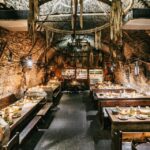
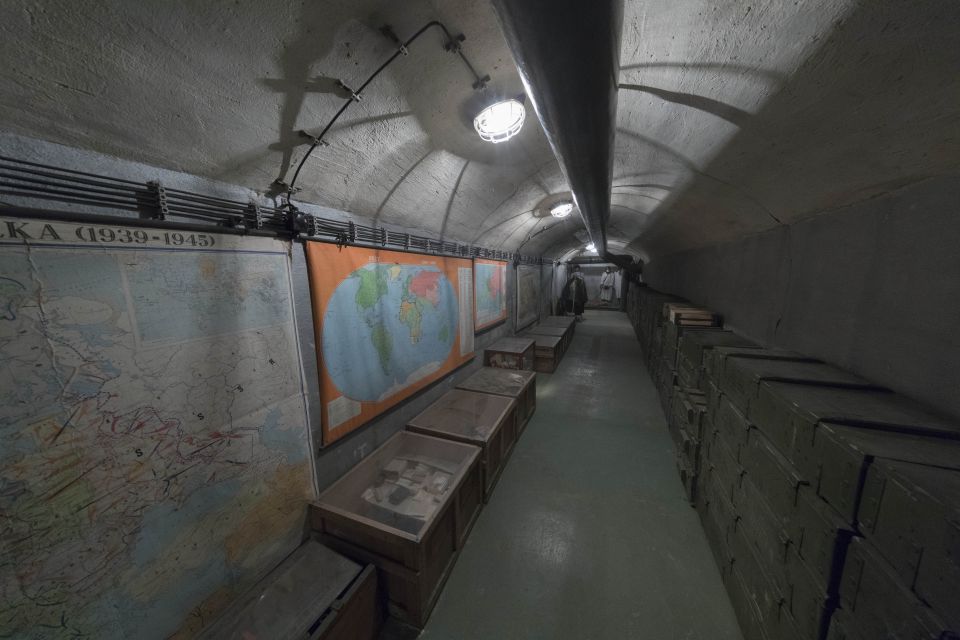
Here’s the headline: you visit a real bunker built in the 1950s, designed to shelter as many as 5,000 people in an emergency scenario. Being about 50 feet underground is not a marketing line. The space changes how sound carries, how you move, and how the exhibits land.
The bunker visit (about 70 minutes) is guided, so you’re not left to interpret equipment cases and signage alone. Expect Cold War–time expositions, authentic artifacts, and commentary that explains how drills and the threat of nuclear war shaped thinking.
I also appreciate that the tour doesn’t pretend the bunker was cozy. It’s portrayed as a fear machine with a purpose. That emotional truth is part of what makes the visit memorable.
Balanced note: one review mentioned that some bunker exhibits looked tired and in need of maintenance. If you’re the kind of traveler who needs everything to look museum-fresh, this could slightly temper the wow factor.
You can also read our reviews of more historical tours in Prague


Museum Exhibits: From Equipment to Everyday Impact
After the bunker tour portion, you also get access to the nuclear bunker museum with additional Cold War exhibits. This is where you can connect what you saw underground to the broader communist-era reality.
You’ll hear about paranoia, spying, and how ordinary people lived with pressure. The guide also tends to bring the story down to human scale—how families adjusted, what people did at work and in public, and how dissidents and political prisoners changed the tone of daily life.
What I find valuable here is the mix of systems and people. You get the structure (how the state tried to control life) plus the consequences (what that control did to real choices).
If you like history that feels usable—history that helps you understand how societies behave under stress—this museum portion is the part that sticks.
The Gas Mask Workshop: Fear Gets Hands-On
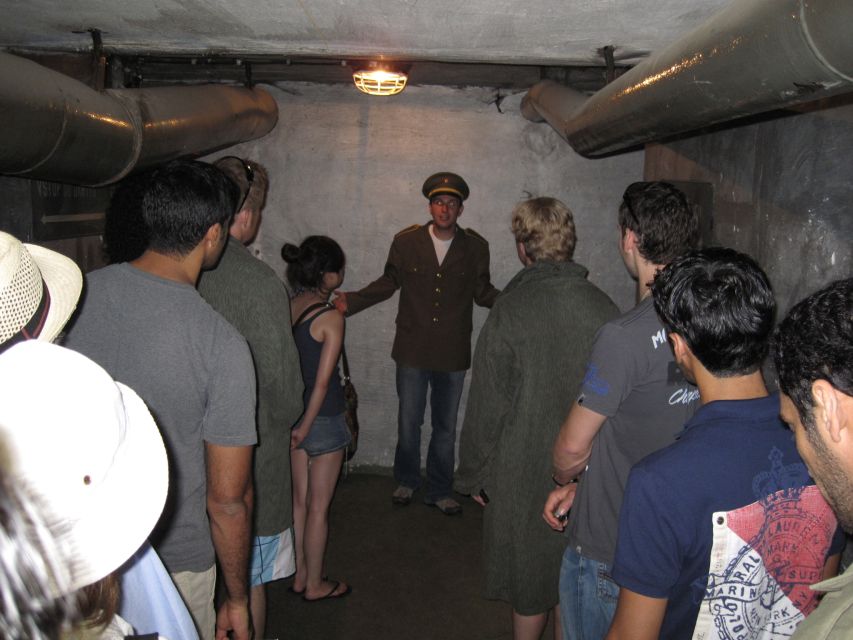
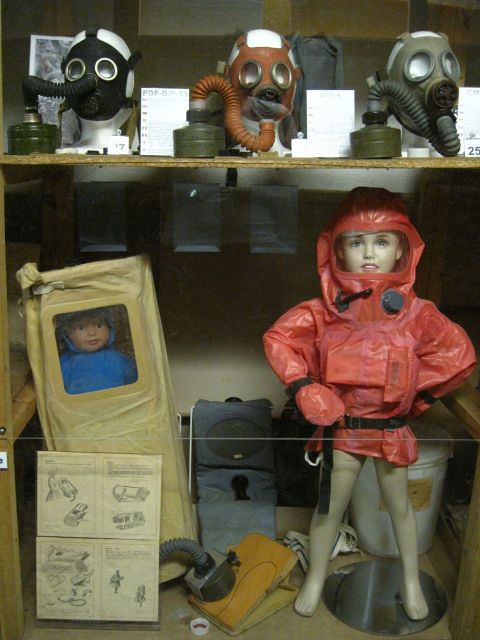
The gasmask workshop is the most practical piece of the experience. It doesn’t just tell you that people prepared for nuclear threats. It makes you think about what preparation means in the body: breathing, fit, and the mind-set of drills.
Even if you’ve seen props in other places, doing it here gives the workshop a different tone. In this bunker setting, survival thinking feels less like a reenactment and more like an old routine people were trained to take seriously.
Also, it’s a good moment to reset mentally during a heavy tour. You shift from listening about repression to doing something tangible, which helps the overall pacing.
One practical tip I’d repeat from visitor advice: if you’re sensitive to dust or have respiratory allergies, consider bringing a face mask for time spent inside. It can make the underground visit more comfortable.
Tour Flow From New Town to Malé Náměstí
Your route after the bunker includes a return transfer and a final walking stretch through central areas, ending at Malé Náměstí. Along the way, you get another quick context layer about Prague’s character, including the way the communist period sits inside modern city life.
This ending matters because it closes the story. You’re not just left standing underground with hard questions. You come back toward lively Prague streets and finish near a historic square, which helps your brain process the contrast.
The street segment is shorter than the bunker portion, but it gives you a clean landing.
Price and Value: What You Get for $44
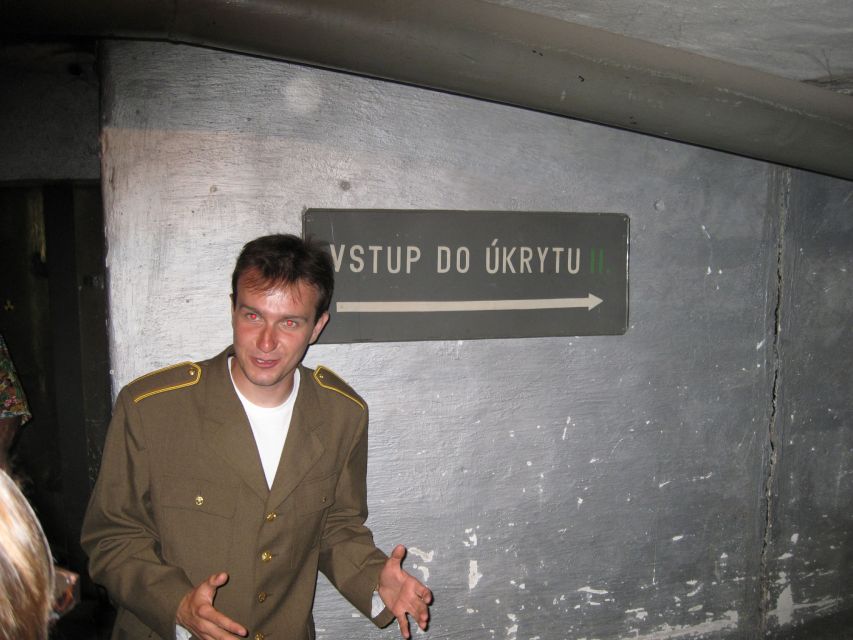
At about $44 per person for roughly 150 minutes, the value comes from the bundle. You’re paying for a live guide, entry to bunker museum/exhibitions, and public transportation to and from the bunker, plus a skip-the-line entrance.
If you’ve ever done Cold War history tours that are mostly lecture-style, you’ll notice this one includes a physical site you can’t fake: real underground space with real artifacts. That’s the big value driver.
Also, guides get praise for making the experience both factual and emotionally grounded. Visitors specifically mention guides like Pavel and L as strong communicators, and Stan and Ladislav as standout storytellers with a human perspective. That kind of guide quality matters because the subject is complex and sensitive.
Finally, the tour format is efficient. You’re seeing multiple story layers—communist-era city sites, Cold War context, bunker life, and the museum/gasmask portion—without spending your day stitching together separate tickets.
Who This Tour Is Best For (and Who Should Skip It)
You’ll enjoy this most if you want Prague history that explains how systems affected people, not just monuments. It’s a good fit for Cold War fans, but also for anyone who likes social history—how ordinary life changes under surveillance and control.
You should skip it if you:
- Have mobility limitations, because the tour involves walking and stairs and isn’t possible for wheelchair users or baby strollers
- Have claustrophobia or heart issues, since you’ll spend time underground in enclosed spaces
- Are traveling with very young children, since it’s not suitable for infants and smallest children under school age (and it’s not for babies under 1 year)
If you want a quick, light city stroll, this isn’t it. The point here is gravity, context, and real artifacts.
Also plan your mindset. Rules include no alcohol/drugs and no disruptive behavior. You’ll also want to speak the chosen tour language, since translation isn’t allowed during the tour for safety.
What to Do Before You Go
A few small things make the day smoother:
- Wear comfortable, normal walking footwear. The underground and transfers add up.
- Bring a light plan for photos: photos are allowed, but video recording is only permitted with extra permission.
- If you’re booking late, check start times, since the total duration can vary slightly depending on group size.
- If you’re the type who gets anxious in enclosed spaces, consider whether you can handle a real bunker environment before committing.
Finally, be respectful of the setting. This is a serious history tour, and the guide’s job is to keep it understandable without turning it into theatre.
Should You Book This Prague Communism and Nuclear Bunker Tour?
I think you should book if you want an authentic Prague experience that connects street history to a real Cold War survival space. The mix of city stops (Velvet Revolution and central public sites), plus the 1950s nuclear bunker visit, plus the museum and gasmask workshop gives you a complete arc—from ideology to everyday fear to what people practiced for.
I’d hesitate only if you know you won’t handle underground spaces well, or if stairs and walking are a struggle for you. Also, if you’re picky about exhibit polish, one report noted maintenance needs inside the bunker displays, which could matter to you.
If you’re somewhere in the middle—curious, open-minded, and ready for a guided, story-heavy day—this is exactly the kind of tour that makes Prague feel real, not just beautiful.
FAQ
How long is the Prague Communism and Nuclear Bunker Guided Tour?
The tour duration is listed as about 150 minutes, and it may vary by about 10 minutes depending on group size.
How much does the tour cost?
The price is $44 per person.
What’s included in the price?
You get a live guide, public transportation to and from the bunker, entry to the nuclear bunker museum and exhibitions, and the guided portions of the tour.
What language is the tour offered in?
The live guide is available in German and English.
Is video recording allowed inside the bunker?
Photos are allowed, but video recording is not allowed unless you get extra permission.
Is the tour wheelchair accessible?
No. It is not possible for wheelchair users and also not suitable if you have mobility issues, due to walking and stairs.
Is the tour suitable for claustrophobia?
No. It’s listed as not for people with claustrophobia, since the visit includes time underground in the bunker.
Are there toilets at the starting point?
The information says there are no toilets at the starting point.