REVIEW · PRAGUE
Prague: Tyn Church Classical Music Concert
Book on GetYourGuide →Operated by ClassicsInternational · Bookable on GetYourGuide
A concert in the heart of Prague’s Old Town. I love Týn Church as a music room, and I’m a big fan of the soloists—especially the organ and violin stars. One thing to consider: if you’re sensitive to vocal stamina, note that at least one attendee felt the soprano looked a bit tired.
In 70 minutes, you get a smart mix of big-name composers and the kind of variety that keeps you listening instead of checking your watch. You’ll also receive a printed concert program, which helps you follow the music without turning it into a homework assignment. One more practical note: unaccompanied minors aren’t allowed, so this is geared to adults and families where an adult will attend throughout.
In This Review
- Key highlights at a glance
- Why Týn Church feels like a real Prague music moment
- The featured performers: the voices behind the sound
- Program walk-through: what you’ll actually hear in 70 minutes
- Vivaldi: The Four Seasons – Spring & Summer
- Bach: Magnificat
- Beethoven: Symphony No. 5 – Allegro
- Schubert: Ave Maria
- Bach: Jesu, Joy of Man’s Desiring
- Smetana: The Moldau (Vltava)
- Handel: Ombra mai fu from Xerxes
- Mozart: Divertimento in D Major
- Pachelbel: Canon and Gigue in D Major
- Mozart: Requiem – Lacrimosa
- What $36 buys you: value, focus, and a real cultural evening
- Before and after the concert: how to fit this into your Prague day
- Who this concert is for (and who might want a different night)
- Should you book this Prague Týn Church classical concert?
- FAQ
- Where does the concert take place?
- How long is the concert?
- What is the price per person?
- Who performs in the concert?
- What major pieces are included in the program?
- Is an organ part of the concert?
- What’s included with the ticket?
- Are unaccompanied minors allowed?
- What are the cancellation and payment options?
Key highlights at a glance
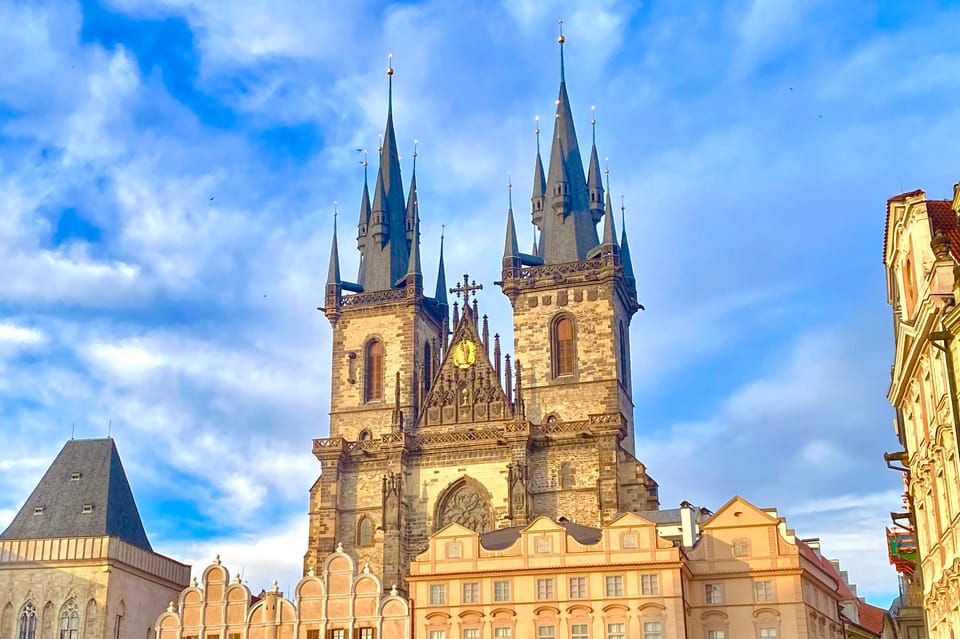
- Historic setting, strong acoustics in Prague’s Old Town Square at the Church of Our Lady before Týn
- Prague Philharmonic strings plus 3 major soloists for a full, balanced sound
- Organ spotlight with Aleš Bárta, especially known for Bach recordings
- Violin showcase by Vlastimil Kobrle, the Czech Radio Symphony concertmaster
- Soprano Anda-Louise Bogza with opera-house credentials
- A program packed with recognizable works like Vivaldi, Bach, Beethoven, Smetana, Mozart, and more
Why Týn Church feels like a real Prague music moment
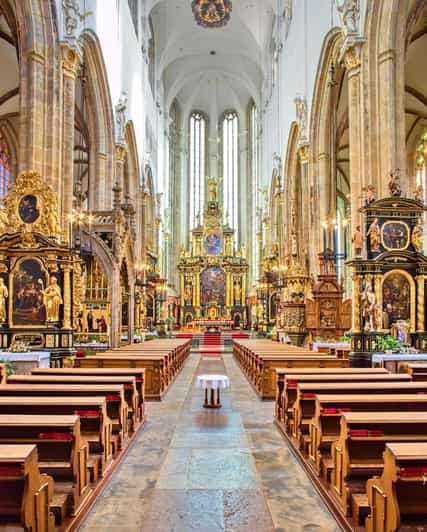
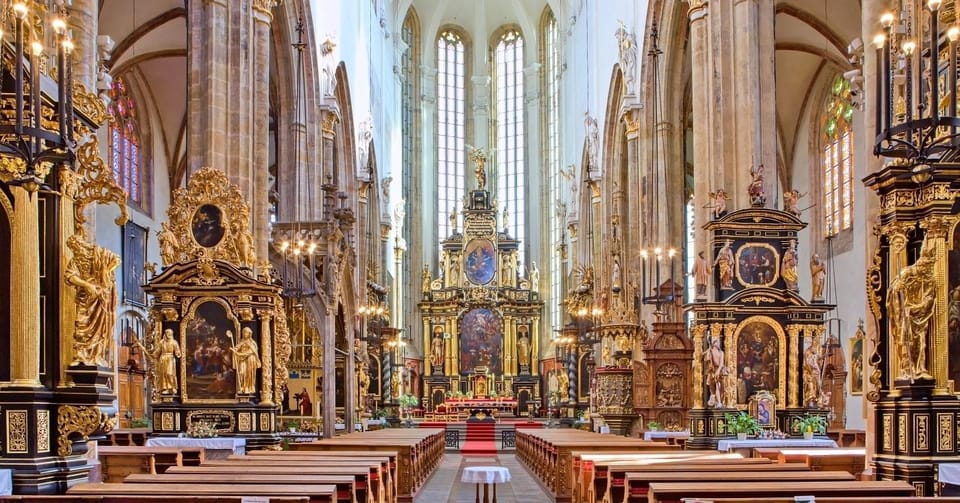
Týn Church isn’t just a pretty backdrop. It’s an old stone space that naturally supports voice and strings, so you’re not relying on screens or modern theatrics to make the experience work. That matters, because classical concerts can either feel intimate and alive—or distant and flat. Here, the venue does a lot of the heavy lifting.
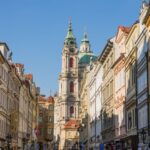
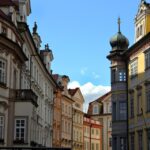
The church sits right in Old Town Square, so you’re in the middle of the Prague atmosphere, not tucked away on a side street. That’s a practical win: before or after the concert, you can walk, browse, and absorb the city at a human pace.
I also like that the concert is only 70 minutes. You get a concentrated evening without committing to a full night of logistics. If you’ve already packed your day with sightseeing, this is a great way to end on a cultural high without exhaustion.
You can also read our reviews of more tours and experiences in Prague


The featured performers: the voices behind the sound
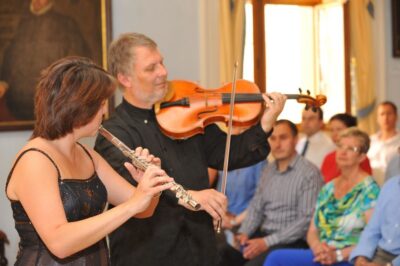
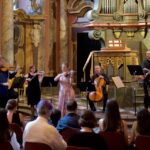
This concert brings together musicians from the strings section of the Prague Philharmonic Orchestra plus three standout soloists. That combination is a classic recipe: ensemble clarity from the orchestra, plus star power when the spotlight moves to solo roles.
Here’s who you’ll hear:
- Anda-Louise Bogza (soprano), known in leading opera houses worldwide
- Aleš Bárta (organ), especially associated with Bach recordings
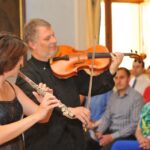
- Vlastimil Kobrle (violin), an acclaimed Czech violinist and concertmaster of the Symphony Orchestra of Czech Radio
Why this lineup is such good value: many Prague classical tickets focus on one highlight. This one spreads the attention across voice, strings, violin, and organ. So even if one movement doesn’t instantly grab you, another one usually will.
Also, the pacing of the program helps. It doesn’t just list composer names; it cycles through moods—bright and rhythmic, then devotional and lyrical, then dramatic and theatrical. That keeps the soloists feeling purposeful rather than like a lineup of separate acts.
Program walk-through: what you’ll actually hear in 70 minutes
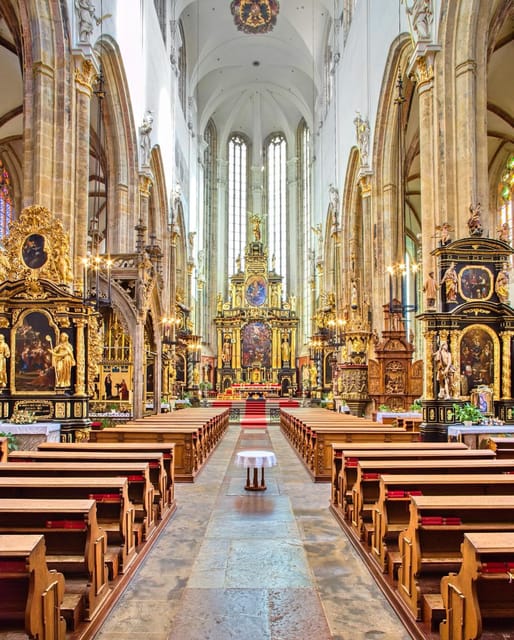
You’ll get a single concert program featuring a set sequence of well-known works. With a printed program in hand, you can follow along, and you’ll recognize many of the melodies even if you don’t know the exact title.
The concert runs through this order:
Vivaldi: The Four Seasons – Spring & Summer
Even if you only know a few notes from Vivaldi, this start typically sets the tone fast. The style is energetic and pattern-driven, so it feels lively from the first minutes. It’s also a useful warm-up for your ears—quick shifts in rhythm and tone help you settle into the church acoustics right away.
Bach: Magnificat
Then the mood turns. Bach’s Magnificat leans toward sacred drama and layered vocal writing, which tends to sound especially meaningful in a stone church. If you like when the music feels structured and spiritual rather than just decorative, this is where it often clicks.




Beethoven: Symphony No. 5 – Allegro
Beethoven’s Fifth (Allegro) is the sound of momentum. Even people who aren’t hardcore classical fans often recognize the intensity. In a short concert, picking a focused movement instead of the full symphony keeps it punchy and digestible.
Schubert: Ave Maria
After that intensity, Schubert offers a gentler landing. Ave Maria is the kind of piece that lets voices and strings breathe. It’s also a good chance to listen for how the venue shapes the sound—sustained notes can feel extra clean in a space like this.
Bach: Jesu, Joy of Man’s Desiring
This is one of those pieces that many people have heard in some form, even if they can’t name it. It’s calm, lyrical, and steady. For me, this section is a “reset” that keeps the emotional arc from turning into a wall of drama.
Smetana: The Moldau (Vltava)
Then you get something distinctly Czech. Vltava is a national-color moment—flowing, pictorial, and built for listeners who like music that feels like a scene. It’s also a crowd-friendly turning point because it’s big, melodic, and vivid without needing technical explanations.
Handel: Ombra mai fu from Xerxes
Handel’s Ombra mai fu is elegant and restrained. It’s a classic slow-bloom piece, and it highlights the soprano line and phrasing. If you enjoy “small” moments where the technique matters, this is where you’ll feel the care in the vocal delivery.
Mozart: Divertimento in D Major
Mozart brings lightness and wit. This movement style usually feels elegant rather than heavy, so it keeps the concert from dragging. I love when a program throws in Mozart because it balances the emotional weight of Bach and Beethoven.
Pachelbel: Canon and Gigue in D Major
Pachelbel’s Canon is one of those instantly recognizable patterns. It’s also a great test of the ensemble’s precision, because the steady structure rewards close listening. The gigue side adds bounce and rhythm, so you get both calm and motion.
Mozart: Requiem – Lacrimosa
The concert ends with Lacrimosa from Mozart’s Requiem, a fitting choice because it tends to land with emotion and weight. It’s not the kind of closer that feels purely triumphant—it feels reflective, like the final page of a dramatic book. In a 70-minute window, that kind of ending is exactly what leaves people thinking about the music after they walk back into the square.
What $36 buys you: value, focus, and a real cultural evening
Pricing is always personal, but here’s how I think about value. At $36 for a 70-minute concert, you’re paying for:
- a premium setting (Týn Church in Old Town Square)
- professional-level musicians from the Prague Philharmonic strings
- three named soloists with strong credentials
- a program that spans Baroque through Classical, plus Czech repertoire
You’re not paying for a massive time commitment. And you’re not stuck with only one genre or one standout instrument. In practical terms, that’s what makes this feel like a solid evening rather than a pricey experiment.
One more value point: the concert includes a printed concert program. For newcomers, that small thing can completely change your experience, because it turns listening from guessing into following.
Before and after the concert: how to fit this into your Prague day
Because the church is in Old Town Square, your timing can be flexible. You can build this into a day that already includes Old Town strolls, then slow down afterward with coffee or a quick walk through nearby streets.
Here are a few ways I’d plan your evening:
- Arrive early enough to take in the church space. Even if you only have a minute, it helps the music feel connected to place.
- Use the printed program to find the composer names quickly. You’ll catch more details when you know what’s coming next.
- Keep your night walk light afterward. The concert runs just 70 minutes, so you may still have energy for a wander, but don’t schedule a marathon event right after.
If you’re the type who likes quiet moments, this is also the sort of setting where the city noise fades while the music plays. That contrast—Old Town around you, music inside—adds a lot to the feeling of the evening.
Who this concert is for (and who might want a different night)
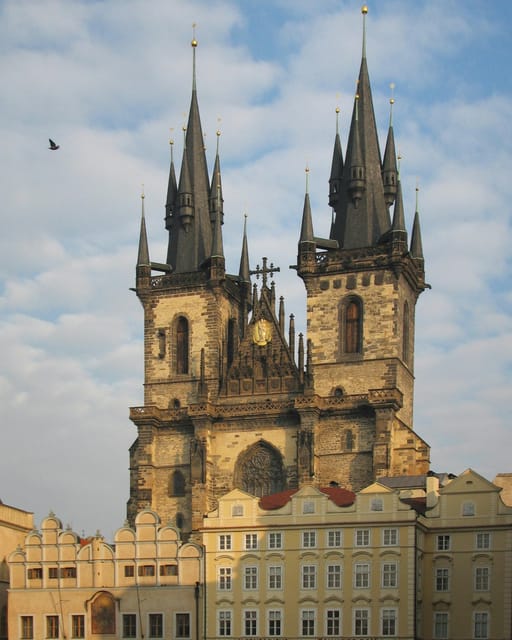
This is a smart choice if you:
- like famous composers and recognizable melodies
- want a mix of voice, strings, and organ rather than a single-instrument show
- appreciate Czech music history through Smetana’s Vltava
- want a focused cultural event that won’t eat your whole night
It may be less ideal if:
- you only want the biggest orchestral works in full-length concert format (this is condensed)
- you’re very sensitive to vocal performance on the day, since one attendee noted the soprano looked a bit tired
Still, even with that consideration, the overall structure gives you multiple “hooks” across the program. You’re not banking everything on one piece or one performer.
Should you book this Prague Týn Church classical concert?
Yes, I’d book it if you want a well-paced classical evening in a historic setting at a price that doesn’t feel like a luxury gamble. The combination of Prague Philharmonic strings plus Anda-Louise Bogza, Aleš Bárta, and Vlastimil Kobrle makes it feel like a true multi-soloist program, not a stripped-down recital.
I also like that the repertoire is varied: Baroque and Classical staples, Czech identity, and a dramatic closing with Mozart’s Requiem – Lacrimosa. In other words, it’s built to satisfy both newcomers and people who know the music already.
If you’re only willing to pay for the absolute longest or most expansive performances, you might choose a larger concert elsewhere. But for a clean, memorable 70-minute evening in Old Town, this is strong.
FAQ
Where does the concert take place?
It’s held at the Church of Our Lady before Týn (Týn Church) in Prague’s Old Town Square.
How long is the concert?
The duration is 70 minutes. Starting times vary, so you’ll need to check availability.
What is the price per person?
The price is listed as $36 per person.
Who performs in the concert?
Musicians from the strings section of the Prague Philharmonic Orchestra perform, along with three soloists: soprano Anda-Louise Bogza, organist Aleš Bárta, and violinist Vlastimil Kobrle.
What major pieces are included in the program?
The program includes selections such as Vivaldi’s Spring & Summer from The Four Seasons, Bach’s Magnificat and Jesu, Joy of Man’s Desiring, Beethoven’s Symphony No. 5 (Allegro), Smetana’s The Moldau (Vltava), and Mozart’s Requiem (Lacrimosa), among others.
Is an organ part of the concert?
Yes. Aleš Bárta performs on the organ.
What’s included with the ticket?
You get an entry ticket and a printed concert program.
Are unaccompanied minors allowed?
No. Unaccompanied minors are not allowed.
What are the cancellation and payment options?
You can cancel up to 24 hours in advance for a full refund. You can also reserve now and pay later (pay nothing today).