REVIEW · PRAGUE
Communism & Nuclear Bunker Tour + 70s Canteen Lunch (own expense)
Book on Viator →Operated by Prague Extravaganza Tours · Bookable on Viator
Cold War Prague is under your feet. This is a small-group walk that turns major communist-era events into something you can actually picture, and then you go into a real 1950s nuclear bunker. I like how the guide connects everyday life to the headlines, from 1918 independence to the Velvet Revolution. I also like that the group stays tight (max 10), so you can ask questions and get straight answers.
One big consideration: the bunker visit runs in tight underground spaces. It’s not recommended for claustrophobic travelers, and you’ll be dealing with enclosed areas and stairs.
In This Review
- Key Things I’d Tell a Friend Before You Go
- Where the Story Starts: Powder Tower, Old Town to New Town
- Republic Square: Independence, WW2 Fallout, and the Road to 1948
- Staroměstské náměstí: 1948 Triumph, the 1950s Era of Fear, and Stalin’s Ghost
- The Streets Between Squares: Kotva, Secret Police HQ, and 17 November 1989
- Wenceslas Square: Prague Spring, Soviet Occupation, and the Velvet Revolution
- The 70s Canteen Stop: Kofola and a Proper Working-Class Lunch
- Inside the Underground: A 1950s Nuclear Bunker Experience
- Small Groups and Storytelling: Why the Guide Makes the Difference
- Price and Value in Plain Terms
- Who This Tour Is For (and Who Should Skip)
- Should You Book This Communism and Nuclear Bunker Tour?
- FAQ
- Where does the tour start?
- Where does the tour end?
- How long is the tour?
- How big is the group?
- What language is the tour offered in?
- Is the nuclear bunker admission included in the price?
- Is lunch included?
- Is the tour recommended for claustrophobic travelers?
- Can I cancel for a refund?
Key Things I’d Tell a Friend Before You Go
- A real 1950s nuclear bunker underground, not just a lecture
- Max 10 people with an English-speaking guide, so the pace stays personal
- Old Town to Wenceslas Square links the dots from 1918 to 1989
- A stop at a 70s worker’s canteen where you can buy a classic Czech meal and drinks
- Admission for the Cold War bunker experience is included in the ticket price
- A guided story-first route that uses Prague’s streets as the lesson plan
Where the Story Starts: Powder Tower, Old Town to New Town
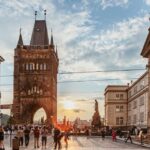
You meet near the Powder Tower at Náměstí Republiky, right where Prague’s Old Town and New Town rub shoulders. That location matters, because your walk doesn’t feel like “history in a museum.” Instead, it’s history as you move—through squares, streets, and landmarks that you’d otherwise pass while hunting for a photo spot.
The format is simple: the guide sets the timeline, then you walk between key locations. You’ll get enough context to follow what changed, why it changed, and what that meant for ordinary people. And since the group is small, the guide can steer the conversation if you’re curious about a particular era or event.
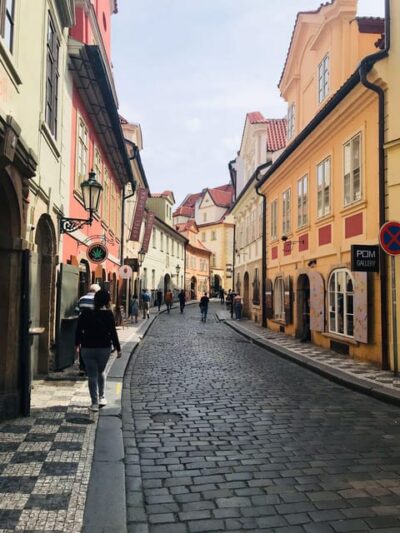
You’ll want to wear shoes that handle cobblestones. Not because the route is extreme, but because you’re going to do a satisfying chunk of walking across central Prague.
You can also read our reviews of more tours and experiences in Prague

Republic Square: Independence, WW2 Fallout, and the Road to 1948
The first stop puts you in Republic Square, with the guide framing Czechoslovakia’s 1918 independence and why Hitler viewed the region as a strategic prize. This isn’t just a date parade. You get the “why” behind the pressure—how geography and politics pulled big powers in.
From there, the story moves toward the post–World War II settlement: what changed on the ground, and how those changes set the stage for the communist party’s power. The guide highlights why the party won elections in 1946 and how that translated into control afterward.
What I like about starting here is that it gives you a baseline. Once you understand the post-war scramble for influence, the later scenes in Old Town and Wenceslas Square click into place.
Practical tip: this stop is shorter, so if you have a question, ask it early while you’re still fresh.
Staroměstské náměstí: 1948 Triumph, the 1950s Era of Fear, and Stalin’s Ghost
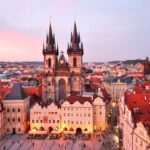
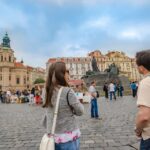
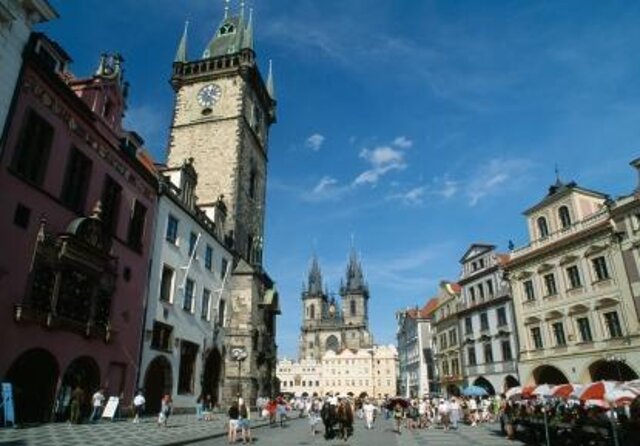
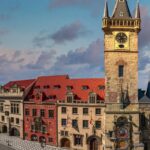
Next you’re in Old Town Square, a place that looks postcard-perfect today. The guide flips that feeling on its head by showing how communist leaders used the square to celebrate their 1948 victory. You’re standing in a famous public space while the lesson reminds you that public power can be loud—and sometimes brutal.
Then you shift into the 1950s, often remembered as the “era of fear.” Expect the guide to talk about the tools of control: working camps, manipulated trials, collectivisation, and the role of the secret police. The important part isn’t the list of tactics; it’s how they shaped daily life and behavior. You start to understand why people learned to be careful with words, routines, and friendships.
A particularly memorable moment: you learn where the biggest monument of Stalin used to stand. Seeing today’s square without that monument helps you grasp how history changes the physical landscape, not just the political one.
One drawback: because this stop packs in serious material, you’ll feel a bit “switched on.” If you prefer a lighter approach, bring your sense of curiosity and pace yourself.
The Streets Between Squares: Kotva, Secret Police HQ, and 17 November 1989
Between the major squares, the walk also includes smaller, easy-to-miss points that add weight to the story. You’ll pass the Kotva shopping mall area and the former headquarters of the secret police on Bartolomejská Street. Even if you don’t recognize the building right away, the guide explains what function it served and how that kind of control worked.
You’ll also walk along Národní Street, tied to the student events of 17 November 1989. This is where the guide connects the day’s violence to the bigger chain reaction that helped fuel the Velvet Revolution later that year. If you only know 1989 from the “end of communism” headlines, this stretch helps you understand how the ending was made from painful, immediate events.
It’s also a good reminder that Prague’s history isn’t only “in old stones.” Some of it is right on busy streets, still within the flow of modern city life.
Wenceslas Square: Prague Spring, Soviet Occupation, and the Velvet Revolution
Now you’re in Wenceslas Square, and the guide treats it like a timeline you can stand inside. First comes the Prague Spring in August 1968, centered here and in areas like Vinohradská Street. You’ll hear how the Soviet army crushed the country’s hopes for democratic reform—an event that changed the trajectory of Czech and Slovak politics for decades.
Then the focus shifts forward to November 1989. You’re pointed to the protests against the communist regime and how those events are known as the Velvet Revolution. The guide also brings in key modern figures, including Václav Havel, so the story doesn’t stop at political slogans. You get the human side of the leadership that followed.
Why this part is valuable: Wenceslas Square can feel like just another big urban stage. With the guide’s framing, it becomes a “pressure cooker” for ideas—reform attempts, crackdowns, and the public energy of 1989.

The 70s Canteen Stop: Kofola and a Proper Working-Class Lunch
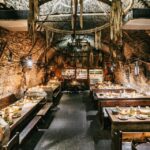
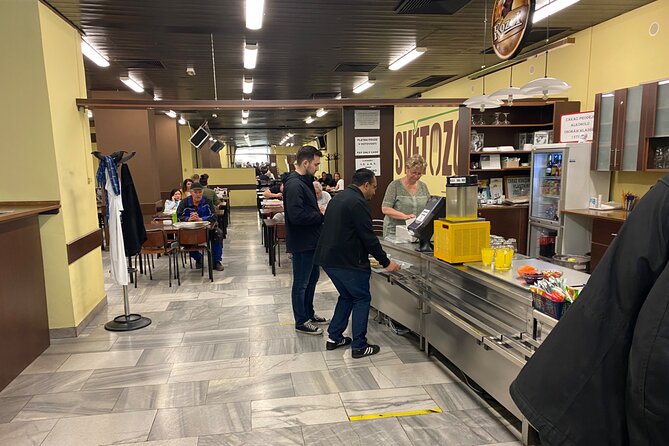
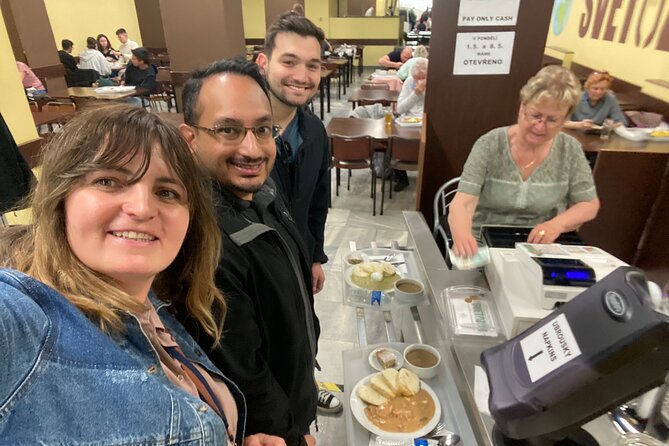
Halfway through, there’s a break at a local worker’s canteen from the 70s. This is the kind of stop that makes the tour feel grounded. You’re not only learning about control and fear—you’re eating in a place designed for everyday life.
You can buy drinks like beer or Czech sodas such as kofola, and you can also order a proper working-class lunch (the exact menu can vary, but the vibe is consistent: classic, filling, no-nonsense). Since food and drinks are not included, you should bring some cash or a card that works there—this stop is “optional spending,” but it’s often where the tour becomes fun in a relaxed way.
What I like here is the pacing. After walking and absorbing heavy history, you get a chance to slow down, talk with the guide, and see Prague in a more local rhythm. It’s also a good moment to ask questions that you didn’t want to interrupt during the walking segments.
Inside the Underground: A 1950s Nuclear Bunker Experience
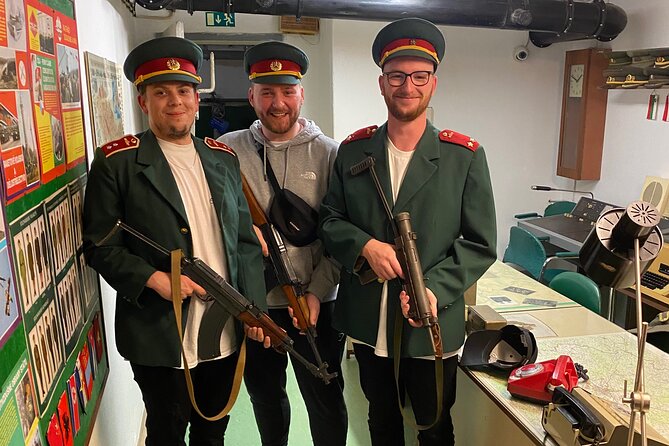
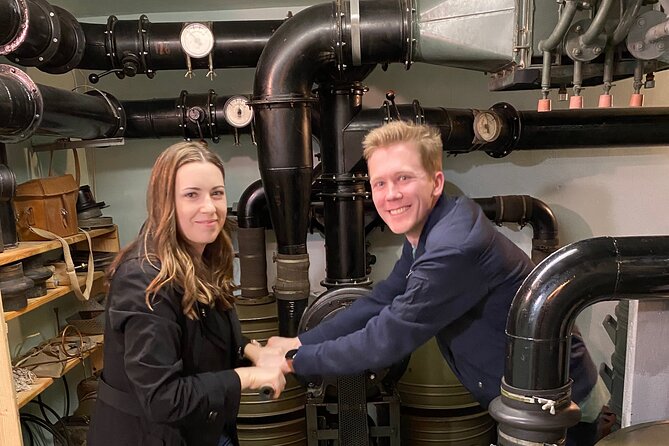
The final act is the rare part: you enter a genuine nuclear shelter from the 1950s, located in the upper part of Václavské náměstí. You’ll be underground for about an hour, and the guide turns it into a guided experience rather than a self-guided doom maze.
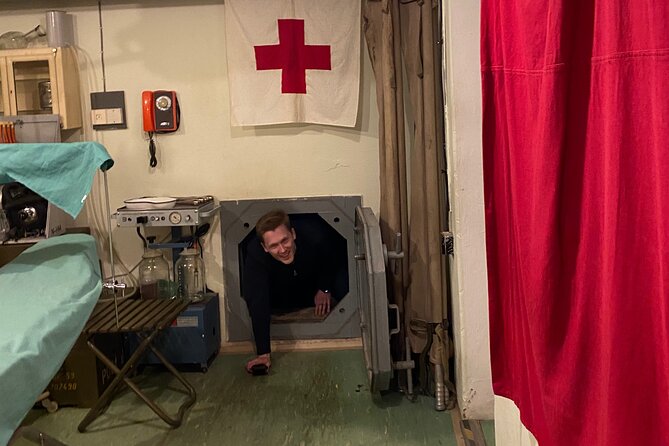
A key detail: access includes an elevator down one level, then you walk down roughly 30 steps to the deeper areas. That means it’s manageable for many people, but it’s still a real physical change from the street—tight spaces, stairs, and a more enclosed atmosphere. If you’re sensitive to confinement, don’t treat this as a “maybe.” The tour explicitly isn’t recommended for claustrophobic travelers.
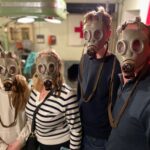
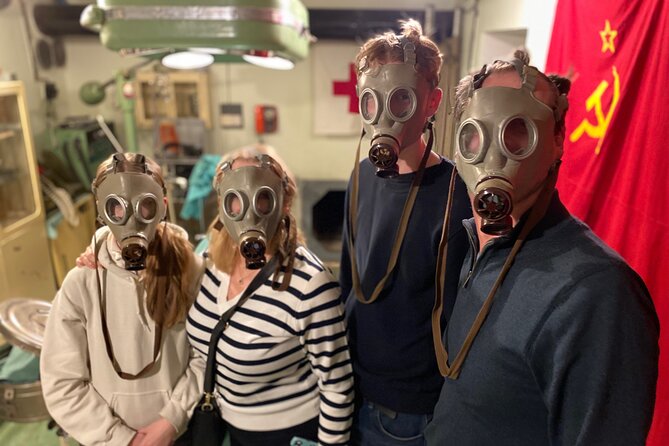
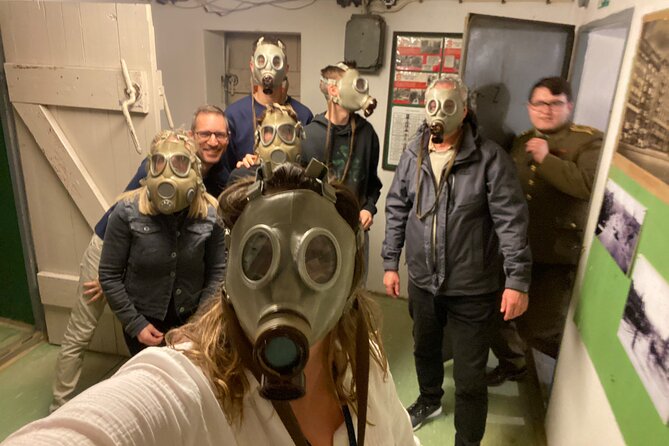
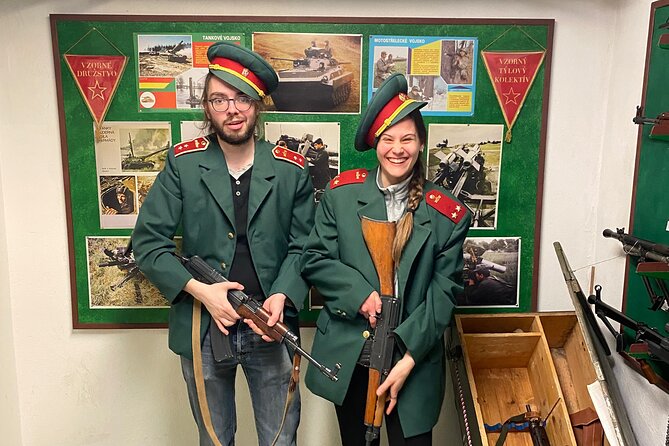
What you’ll get underground varies a bit by the flow of the visit, but expect period-focused information and the kind of interactive moments that make people remember the bunker after the walk ends. Some visitors mention getting to try props and get a taste of what the environment felt like, including gas-mask style items and role-playing elements connected to the security side of life.
My advice: treat it like a history lesson with your senses turned up. Look closely at what’s laid out, take a moment to notice how the space is designed, and let the guide connect the bunker purpose to the wider Cold War story you heard aboveground.
Small Groups and Storytelling: Why the Guide Makes the Difference
This works because it stays small. Max 10 people means you’re not just listening—you’re reacting. Guides like Klára and Leo (and others who lead versions of the same experience) tend to use clear, human examples and are willing to answer questions rather than rushing to the next photo stop.
You’ll feel the difference immediately when you can interrupt with a curiosity question and get an actual explanation. That also means the guide can adjust if your interests lean more toward politics, daily life, or specific turning points like 1968 or 1989.
The tour style is also discussion-friendly. Several people mention conversations that go beyond the walking route, and that tracks with how the stops are framed: each location is a prompt, and the guide helps you connect them.
Price and Value in Plain Terms
At $35.07 per person for about 3.5 hours, the price is reasonable for a Prague experience that includes actual site access. The key value piece is that the Cold War bunker admission (10 EUR) is included, which is usually the expensive part for similar “special access” tours.
Food and drinks are on you. The canteen stop is part of the experience, but you choose what to order. If you do the canteen, you’re adding extra cost, but you’re also buying into the most authentic-feeling part of the day—eating in the kind of space the tour is trying to show you existed for real.
So here’s how I’d judge the value for your budget:
- If you care about the bunker access, the included admission makes the ticket easier to justify.
- If you’re mostly in it for casual sightseeing, you might find yourself wishing it were lighter. This one is story-first and political, not just “Prague highlights.”
Who This Tour Is For (and Who Should Skip)
This suits you if you like history you can walk through—especially Cold War and late 20th-century Central European stories. It’s also great if you enjoy a guide who explains everyday life under the communist system, not only the official events.
You might not love it if:
- You hate heavy political themes and prefer only upbeat city walking.
- You’re claustrophobic or worried about enclosed underground spaces and stairs.
- You want a purely sightseeing-focused Prague tour with minimal context.
One more honest note: expect some walking and narrow underground sections. Most people can participate, but the bunker portion is the real “test” for comfort.
Should You Book This Communism and Nuclear Bunker Tour?
I think you should book it if you want the rare combination of Prague street history + a real underground bunker. The small group size helps a lot, and the story connects the dots from independence to Soviet pressure to 1989, which makes the whole experience feel like one coherent narrative rather than disconnected stops.
Skip it if the bunker environment would make you uncomfortable, or if you want a relaxed, casual tour that mostly focuses on views and architecture.
If you do book, I’d also suggest booking early—this one sells, and the typical advance window is around 40 days.
FAQ
Where does the tour start?
The tour starts at the Powder Tower, Náměstí Republiky 5, Staré Město, Prague 1.
Where does the tour end?
It ends on the upper part of Václavské náměstí.
How long is the tour?
It lasts about 3 hours 30 minutes.
How big is the group?
The group is limited to a maximum of 10 travelers.
What language is the tour offered in?
The tour is offered in English.
Is the nuclear bunker admission included in the price?
Yes. The 10 EUR Cold War museum/bunker admission fee is included.
Is lunch included?
No. Food and drinks are not included, but there is a stop at a 70s canteen where you can buy items like kofola or a working-class lunch.
Is the tour recommended for claustrophobic travelers?
No. It is not recommended for claustrophobic travelers due to the underground bunker environment.
Can I cancel for a refund?
Free cancellation is available up to 24 hours in advance for a full refund.