REVIEW · PRAGUE
From Prague: Kutná Hora, St.Barbara’s Church, Sedlec Ossuary
Book on GetYourGuide →Operated by CA BEST TOUR Praha s.r.o. · Bookable on GetYourGuide
Bone church plus Gothic silver power.
From Prague, this day trip turns the clock back to the 13th century in Kutná Hora, a former silver-mining giant and one of Bohemia’s most important towns. I like how the tour doesn’t treat the sites as isolated postcards; it connects the dots between Benedictine roots, Czech kings, and the UNESCO monuments you’ll actually stand in front of. You’ll also get paid entry into St. Barbara’s Church and the Cathedral of the Assumption, which saves time and keeps the visit moving at a good pace with a live guide (guides such as Martin and Toni are named in past groups for clear, lively explanations).
The big thing to consider is that this is still a lot of walking in a historic town with uneven streets and stairs. Sedlec Ossuary is intense, and at least one guest felt the bone church was disappointing for the price, so go in with the right expectations.
In This Review
- Key takeaways before you go
- Why Kutná Hora works so well as a Prague day trip
- Getting there from Prague: hotel pickup and a 6-hour plan
- Kutná Hora streets, UNESCO monuments, and the silver-mining story
- St. Barbara’s Church and the Cathedral of the Assumption
- The 15th-century stone fountain stop you shouldn’t skip
- Sedlec Ossuary: seeing 40,000 bones without losing your balance
- How the live guide experience shapes the whole day
- Price vs value: what $84 gets you in real terms
- Who this tour is best for
- Should you book this tour from Prague?
- FAQ
- How long is the Kutná Hora, St. Barbara’s Church, and Sedlec Ossuary tour?
- What’s included in the price?
- Does the tour include stops in Kutná Hora itself?
- What are the main attractions visited?
- How many human bones are at Sedlec Ossuary?
- Is hotel pickup offered?
- What languages are the tours available in?
- Are there multiple departure times?
- Is free cancellation available?
- Is reserve now, pay later available?
Key takeaways before you go
- Kutná Hora is UNESCO for a reason: a silver-mining story tied to kings and medieval power.
- St. Barbara’s Church is the star of the Gothic show with cathedral-style details and included admission.
- Sedlec Ossuary has more than 40,000 human bones arranged into striking decorations.
- You’ll see more than just churches: the tour route also includes a 15th-century stone fountain.
- Guides shape the experience: several guide names show up for humor, pacing, and plain-language history.
- You get structure and time: the tour is designed to include guided narration plus time to wander at each stop.
Why Kutná Hora works so well as a Prague day trip
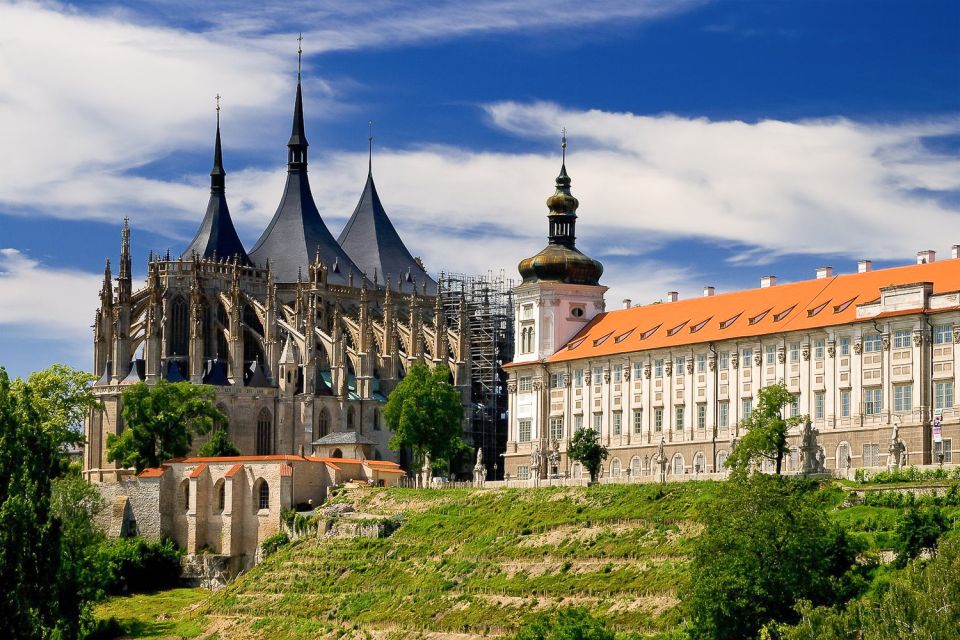
Prague is gorgeous, but it can also be a little uniform: one city, one rhythm. Kutná Hora breaks that pattern fast. It’s in the Central Bohemian Region, and it feels like a different chapter of Czech history the moment you arrive.
This is a town tied to silver mining, and the tour frames it as more than local trivia. Kutná Hora was the second most important town in Bohemia, and it gained major status through the centuries. The route also points out how the area went from a Benedictine monastic settlement to a place that became a favorite temporary residence for several Czech kings. That shift helps you understand why you’re looking at such big, serious buildings instead of small-town churches.
I also like that the trip stays focused. In about 6 hours, you get major UNESCO stops without feeling like you’re sprinting between random sights.
You can also read our reviews of more tours and experiences in Prague.
Getting there from Prague: hotel pickup and a 6-hour plan
The tour includes hotel pickup, which is the difference between having a smooth day and losing time to transit puzzles. The driver will wait no more than 5 minutes past the scheduled pickup time, so set a realistic departure buffer and be ready.
Duration is listed as 6 hours, and starting times vary based on availability. That matters because a “6-hour” day trip can feel short or long depending on your departure window and how the group moves between stops. Expect a long day on your feet, but not a marathon.
One practical note: a couple of guests reported being dropped off near a transport hub rather than back at the exact hotel location. That doesn’t mean it will happen to you, but it’s smart to treat the end of the tour as flexible and have a plan for getting back into Prague.
Kutná Hora streets, UNESCO monuments, and the silver-mining story
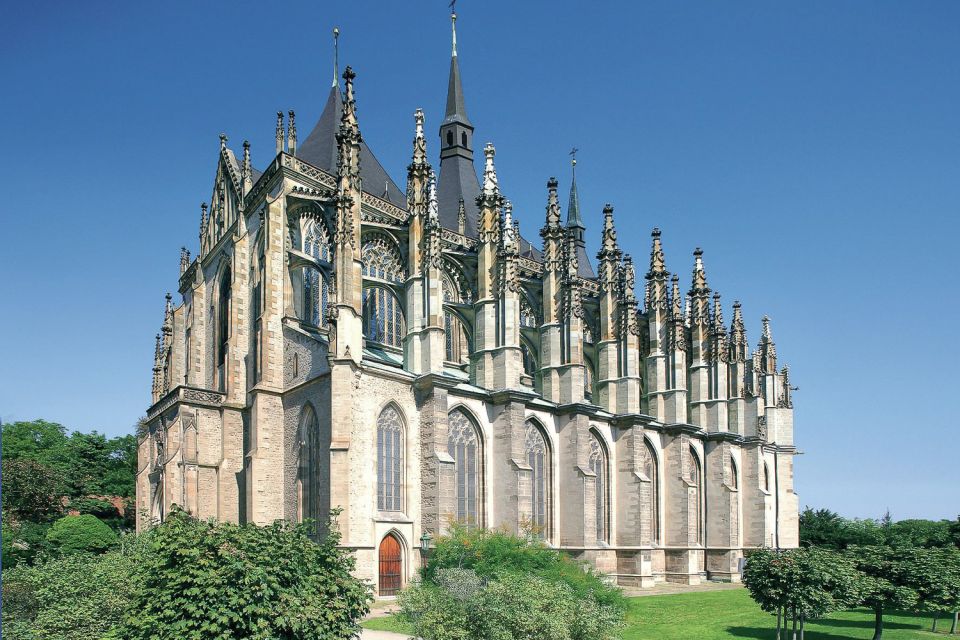
Once you’re in Kutná Hora, the tour approach is refreshingly straightforward: walk through the town as you go, then stop at the big monuments with context. The guided narration connects three layers:
- What Kutná Hora was for (silver wealth and regional importance).
- What changed over time (from religious monastic presence to royal use).
- Why medieval architecture looks the way it does (money, power, and prestige showing up in stone).
The tour is centered on UNESCO World Heritage status (Kutná Hora has been UNESCO since 1995). That label can sound abstract, but here it translates into real-world sights: major Gothic religious buildings and other heritage landmarks that are hard to fully appreciate without someone explaining what you’re seeing.
I especially like when a guide points out how the town’s story affects the architecture. It helps you stop treating the buildings like a checklist and start noticing the design logic: height, detail, and the sense that these were built to impress.
St. Barbara’s Church and the Cathedral of the Assumption
If you like Gothic architecture, this stop is the payoff. The tour includes entry to St. Barbara’s Church and the Cathedral of the Assumption. You’re not just looking from the outside; you’ll be inside a cathedral-style Gothic building and guided through what makes it special.
Here’s what to watch for during your visit:
- Scale and height: Gothic churches are built to pull your eyes upward.
- Detail work: the “cathedral-style” description isn’t marketing fluff. The design aims for drama.
- A sense of power behind the stone: the connection to silver wealth is not subtle once you see the ambition of the buildings.
This is also where a strong guide makes a difference. Several guide names appear in the tour’s past groups—Martin, Toni, and others are mentioned for clear explanations—and that matters because Gothic can feel like decoration until someone gives you a way to read it.
Also, take your time. One theme that keeps showing up in the tour experience is that it isn’t rushed. You’ll get more than a quick photo-stop run-through.
The 15th-century stone fountain stop you shouldn’t skip
Not every highlight list includes the small stuff, but this tour does. You’ll see a unique stone fountain from the 15th century as part of the Kutná Hora experience.
You might wonder why a fountain earns time on a history day. The answer is that it breaks the day into something human-scale. Churches can dominate your visual attention. A fountain gives you a chance to reset, take photos, and spot how everyday public objects fit into a medieval town.
It also helps you understand that Kutná Hora wasn’t only “rich buildings.” The silver economy shaped public life too—monuments and practical landmarks sharing the same streets.
If you’re doing this as a tight schedule trip, stop for a moment here even if you’re hungry or tired. It can be a welcome breather.


Sedlec Ossuary: seeing 40,000 bones without losing your balance
Then comes the moment that makes this tour famous: Sedlec Ossuary. The tour describes it as decorated with more than 40,000 human bones, and that number changes how you perceive the space. This isn’t a small chapel with a few carved details. It’s an entire visual installation built from human remains.
How to approach it:
- Go in prepared for an emotional experience. Even if you’re interested in history or art, it can feel heavy.
- Don’t overthink what it means. Let yourself focus on how the decorations are arranged and why they might have been used as a message.
- Treat it as a cultural site, not a horror attraction.
This is also where expectations matter. One guest felt the ossuary was disappointing relative to the price, so your mileage may vary. I think the key is to remember what makes it unique: scale and arrangement. If you want calm and quiet, you might find it unsettling. If you want something memorable and historically grounded, it delivers.
Practical tip: wear shoes you trust. Cobblestones, stairs, and uneven ground can add up across the full 6-hour schedule, and Sedlec is not a “sit down and chill” stop.
How the live guide experience shapes the whole day
The tour includes a live guide in multiple languages: English, Italian, German, French, Spanish, and Russian. That’s useful because it means you’re not stuck with a translation app that doesn’t understand what the guide is emphasizing.
Guide quality is a recurring strength in the tour’s past experiences. Names like Martin and Toni show up with praise for good pacing and helpful explanations. Blanca is mentioned for informative narration and for giving time at each location. Robert and Veronica are also listed for patience and attentiveness in the group.
Why that matters for you: history tours can become either a lecture or a rushed walk. This one aims for balance—facts plus time to look around. When it works, you don’t just hear dates. You start noticing how the town tells its own story.
One more thing: the guide role includes not only pointing out sights but also setting expectations for what comes next. That reduces stress, especially when your day starts early and you’re moving between multiple sites.
Price vs value: what $84 gets you in real terms
At $84 per person for a roughly 6-hour guided day trip, you’re paying for three main things:
- Convenient hotel pickup, which saves time and avoids the friction of public transport planning.
- Live guidance for multiple heritage stops, including explanation inside major buildings.
- Entry fees to key monuments on the route (not just bus + guide).
The value question is less about whether the attractions are “worth it” and more about whether the package removes the hassle. If you had to cobble together independent tickets plus transport plus a guide, the day could easily turn into a stressful puzzle. Here, the structure is built in.
But it’s fair to keep one caution in mind: if you know you’re not into bone décor, or if you’re sensitive to intense visual reminders of mortality, Sedlec Ossuary may not feel worth it to you. In that case, I’d treat the ossuary as the one gamble in the package and decide based on how you usually react to art/history that deals with death.
Who this tour is best for
This day trip is a strong fit if you:
- Want a change of scenery from Prague without committing to a multi-day train plan.
- Like UNESCO sites that feel tied to a bigger story, not just isolated landmarks.
- Enjoy Gothic churches and want to understand what you’re looking at.
- Are okay with a fair amount of walking and stairs across heritage sites.
It’s also a good choice if you travel with mixed interests. Kutná Hora gives you architecture and town atmosphere, St. Barbara’s and the cathedral add the big indoor structure, and Sedlec offers something unusual and unforgettable.
If you prefer low-stress days with minimal walking, you’ll want to plan carefully—this is not built as a sit-and-sip city cruise.
Should you book this tour from Prague?
I’d book it if you’re the kind of traveler who likes your sightseeing with context. The combination is hard to beat: Kutná Hora’s silver-era UNESCO importance, included entry into major churches, a quick cultural stop at a 15th-century stone fountain, and then Sedlec Ossuary with its unmistakable bone artwork.
Skip or reconsider if you:
- Strongly dislike intense or morbid themed sites.
- Want a lighter walking day with lots of rest.
- Need your end-of-tour drop-off to match your hotel exactly (the tour can end with drop-off near other spots).
If you’re on the fence, the decision is simple: if Gothic and UNESCO history pull you in, this is a good use of a single day.
FAQ
How long is the Kutná Hora, St. Barbara’s Church, and Sedlec Ossuary tour?
The duration is listed as 6 hours.
What’s included in the price?
Hotel pickup, a live tour guide, and entry fees are included.
Does the tour include stops in Kutná Hora itself?
Yes. The tour is designed to explore Kutná Hora, including UNESCO monuments and town sights.
What are the main attractions visited?
The tour includes St. Barbara’s Church, the Cathedral of the Assumption, and Sedlec Ossuary. It also includes a visit connected to the 15th-century stone fountain.
How many human bones are at Sedlec Ossuary?
Sedlec Ossuary is described as decorated with more than 40,000 human bones.
Is hotel pickup offered?
Yes, hotel pickup is included. Drivers wait no more than 5 minutes past the scheduled pickup time.
What languages are the tours available in?
The guide is offered in English, Italian, German, French, Spanish, and Russian.
Are there multiple departure times?
Starting times vary, and you’re instructed to check availability to see the starting times.
Is free cancellation available?
Yes. You can cancel up to 24 hours in advance for a full refund.
Is reserve now, pay later available?
Yes. The option is listed as reserve now & pay later, with payment made later.