REVIEW · PRAGUE
Prague: Top Sights and Historic Center Introduction Tour
Book on GetYourGuide →Operated by Real Prague Guides · Bookable on GetYourGuide
Prague hits you fast. This short, guided walk stitches together Old Town, the Jewish Quarter, and Charles Bridge so you leave with the city’s main threads in your head. I especially like the way the guide points out Prague’s Astronomical Clock and turns it into something you can actually read on your own afterward, not just stare at. You’ll also get photo-worthy stops around Old Town Square and the bridge approaches, timed so you’re not just rushing from one postcard to the next.
I also love the human touch from the local guide style: in the guide lineup, people have had tours with locals like Lucie, Jay, David, and Hana, and their humor and clarity show up again and again. One practical drawback: it’s a 3-kilometer walk, in rain or shine, so you’ll want comfortable shoes and a plan for cold hands if you’re visiting in winter.
In This Review
- Key highlights to look forward to
- Prague in 3 hours: what this tour really does for you
- Powder Gate start: why meeting point matters in Old Town
- Old Town’s defensive wall, Powder Tower, and the quick-hit architecture stops
- Learning the Astronomical Clock so it makes sense in real time
- From Charles University and Don Giovanni to Church of Our Lady before Týn
- Coffee and restroom break: timing you can actually use
- Jewish Quarter stops: key landmarks plus the Golem story
- Charles Bridge: the classic crossing, guided for better photos
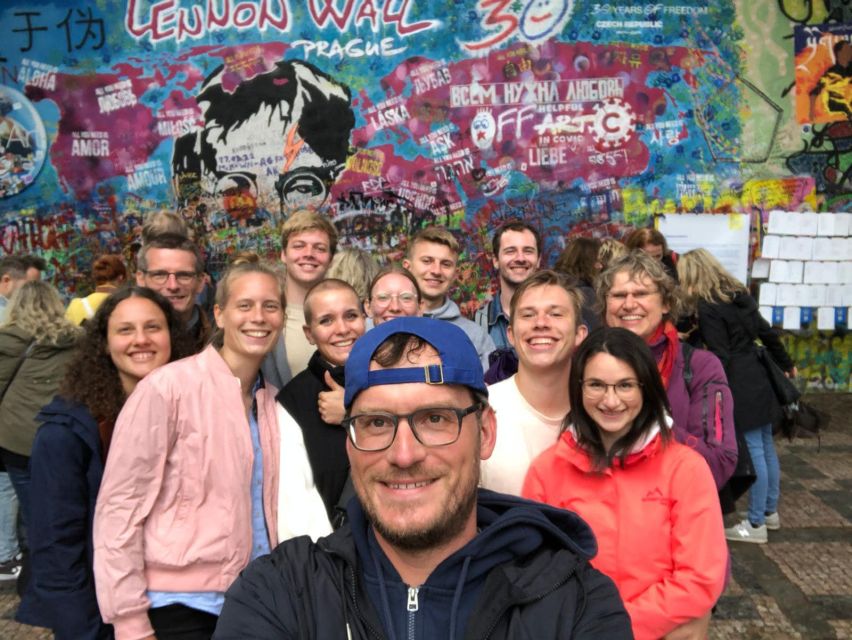
- John Lennon Wall: the ending that ties old and new together
- Price and value: getting a real guide for about $20
- Who should book this tour (and who should skip it)
- How to get the most out of the remaining hours after the tour
- Should you book this Prague top sights and historic center introduction walk?
- FAQ
- How long is the Prague top sights and historic center introduction tour?
- Where do I meet the guide?
- Is the tour in English?
- Do we go inside the synagogues?
- Does the tour run in bad weather?
- Is the tour suitable for wheelchair users or people with mobility impairments?
Key highlights to look forward to
- Certified local guides with consistently strong storytelling and friendly group control
- Astronomical Clock coaching so you know what you’re seeing when you face it
- Jewish Quarter orientation including what to expect at key sites, even without inside synagogue visits
- Quick Czech culture extras at Charles University and a nod to Mozart’s Don Giovanni
- Charles Bridge to John Lennon Wall for classic Prague vibes plus modern street art
- A timed coffee/restroom break built into the route to keep the pace realistic
Prague in 3 hours: what this tour really does for you
This is the kind of tour I like on Day 1. You don’t just get a list of sights—you get a sense of how Prague’s neighborhoods fit together, what each area is known for, and what to look for when you wander later without your guide. The route is short enough to stay energetic, but it hits the big anchors: Old Town, the Jewish Quarter, Charles Bridge, and the Lennon Wall.
The guide quality is the main value. The tour runs in English, and the local guide approach tends to mix facts with jokes at the right times, plus practical context you can use right away. If you’re hoping to take photos (and you will), you’ll also be pointed toward spots where the angles make sense and the stories add meaning to the shots.
Just be honest with yourself about the walking. It’s about 3 kilometers total, and it’s not designed for wheelchair users or people with mobility impairments.
You can also read our reviews of more historical tours in Prague

Powder Gate start: why meeting point matters in Old Town
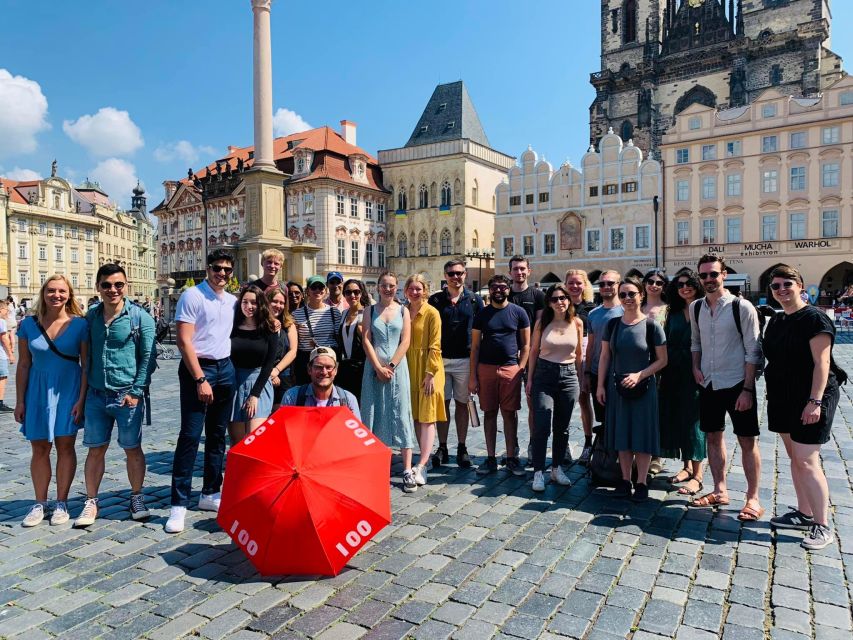
You meet at Na Příkopě 28, in front of the Powder Gate, Prašná Brána. Look for the guide holding a red opened umbrella with a white 100 logo. This matters more than you’d think—Old Town streets can be busy, and meeting in the right place keeps the tour from turning into a hunt.
Starting near Powder Gate also sets the tone. Your guide begins with a quick introduction to the area’s defensive history—where parts of the original protective wall used to be, including the moat—and then moves into the symbolic importance of Powder Tower. It’s a smart opener because it helps you understand Prague as a city built for survival, not only for beauty.
Old Town’s defensive wall, Powder Tower, and the quick-hit architecture stops
After that first short look, you’ll move through Old Town with an orientation vibe. You’ll stop at the House of the Black Madonna, described as the most famous cubist house in the world, which is exactly the kind of detail you’d otherwise miss if you were just scanning for landmarks. The point isn’t the building alone—it’s how Prague layers styles and eras right on top of each other.
You’ll also pass the Estates Theatre area. Even when it’s just a brief stop, it’s useful because it signals Prague’s long relationship with culture and performance—this city loves public life, from markets to music. Your guide will keep the pace light here (the itinerary gives you short sightseeing windows), so you don’t feel like you’re trapped reading a plaque for an hour.
Old Town Square is next, and this is where the tour earns its title. It’s not only about seeing the space—it’s about understanding why the square matters as a civic center. Once you know the basic story, you’ll see the square differently when you return later for a meal, a night walk, or a clock photo.
Learning the Astronomical Clock so it makes sense in real time
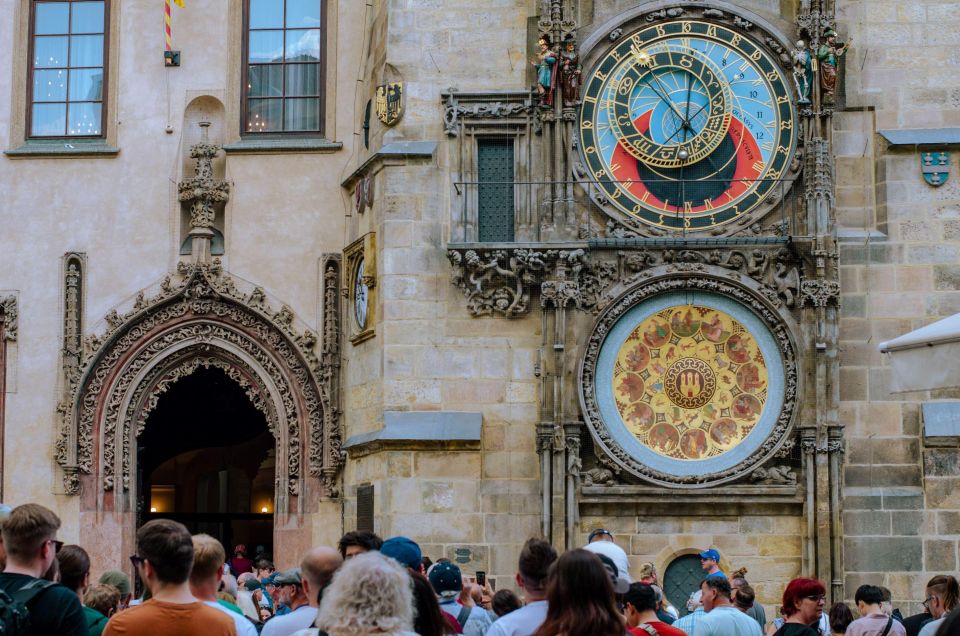
The Prague Astronomical Clock is the star attraction for a reason, and this tour treats it like a skill, not a statue. You’ll get instructions on how to read it, with enough guidance that you’re not standing there guessing. The stop is about 15 minutes, which is realistic: you need a little time to look, a little time to understand, and a moment to watch it with intention.
What I like most is that your guide frames what you’re seeing in the context of Prague’s past. When you understand the logic, you can keep following the details even after the group moves on. It’s a small thing, but it changes the whole experience—suddenly the Clock becomes interactive, not just crowded.
And yes, you’ll likely be surrounded by other visitors here, especially if you’re going at a peak time. The advantage of having a guide is that you don’t waste that time trying to decode it on your own.
From Charles University and Don Giovanni to Church of Our Lady before Týn
Once the Clock stop ends, the tour shifts from mechanics to culture and place names. At the doorstep of Charles University, you’ll get a few Czech phrases, plus a fascinating tidbit: where Mozart premiered his Don Giovanni, described as one of the best operas ever created. That’s the sort of detail that sticks because it connects music to a specific location.
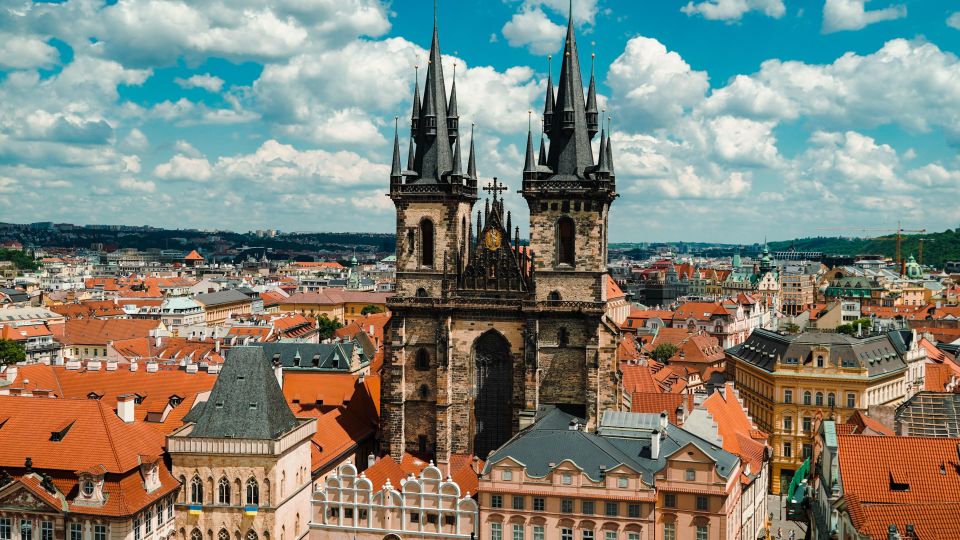
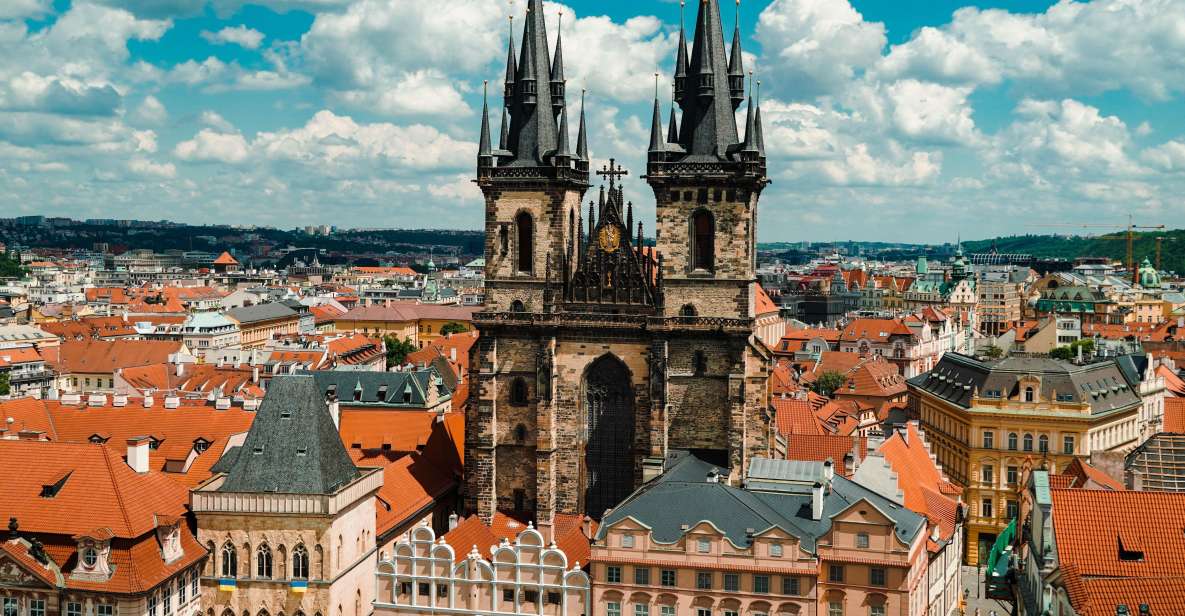
Then you’ll look at the Church of Our Lady before Týn. The itinerary keeps this brief, but it’s a key Prague silhouette, and having a guide for a quick orientation helps you know what you’re seeing when you walk by later. You’ll also get a stop at the Jan Hus Monument. It’s not a random statue on the route—it’s tied to Czech identity and religious history, and the guide uses that to give you a baseline for understanding later sights.
Short stops like these are one reason a 3-hour tour can feel like more. Instead of deep museum time, you get a guided map of ideas.





Coffee and restroom break: timing you can actually use
You get a short coffee and restroom break after the Clock. It’s listed as 15 minutes, and that’s a reasonable window in the center of Prague. Do the sensible thing: go when you have the chance, because the restroom line can be long in busy areas.
This pause helps your brain reset for the next section. The itinerary moves from Old Town into the Jewish Quarter, and that shift is where the tour becomes emotionally and historically richer.
Jewish Quarter stops: key landmarks plus the Golem story
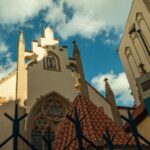
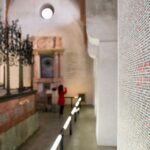
Next comes the Jewish Quarter, and the tour does something practical: it sets you up to understand what’s inside key sites later. You’ll see the Old-New Synagogue, the Old Jewish Cemetery, and hear the story of Golem—the famous legendary creature of Prague.
Important detail: you won’t visit the interiors of the synagogues because of ticket requirements. Instead, your guide explains what you’ll find inside and gives guidance on how to get tickets for a later visit. I like this approach because it saves time in the intro walk but still points you toward the right next step if you want to go deeper.
You also get stops at the Jewish Town Hall. Even though those are short sightseeing segments, they help you connect the dots: this neighborhood wasn’t just a place to live—it was a center of community life, learning, and ritual. With the tour context in your head, you’re more likely to notice the significance of what you’re looking at.
Charles Bridge: the classic crossing, guided for better photos
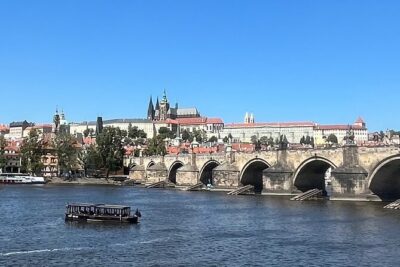
After the Jewish Quarter, the tour crosses Charles Bridge and uses the time for photos. The bridge stop is about 20 minutes, which is about right for soaking up views and taking pictures without feeling rushed.
What makes this stop work on a tour like this is the way the guide positions the bridge as a hinge between Prague’s old civic core and its lively present. If you can, take a few minutes to step back from the crowd and frame a longer shot rather than only close-ups. The guide’s pacing helps here: you get a moment to look, not only move.
John Lennon Wall: the ending that ties old and new together
The tour concludes at the John Lennon Wall. This is a clever finish. You start with medieval defense, move through a world of clocks and church spires, then you land on street art—Prague refusing to stay in one era.
You’ll have about 10 minutes here, which is enough to browse the colors and symbols and then decide if you want to linger on your own later. If you’re building a flexible itinerary for the rest of your trip, ending with something modern helps you switch gears without needing to sprint.
Price and value: getting a real guide for about $20
At $20 per person for a 3-hour walk, this tour is priced like a true orientation experience. Most of what you pay supports the guide work—this is described as a tip-based tour with a pre-paid option, and the majority goes directly to the guide with no extra fees required. That matters because the whole value of this activity is in the guide’s ability to make sense of the city fast.
English-only is another real-world factor. If you don’t want to rely on apps, this helps you keep moving. And group sizes usually range from 6 to 30, which is a sweet spot: large enough to feel social, small enough that the guide can still keep the group together in crowded areas.
One more value piece: guides often provide practical follow-up help. In the guide feedback, I saw mention of a PDF with recommended places to eat and see. That’s exactly the kind of bonus that makes a short tour feel useful for the rest of your stay.
Who should book this tour (and who should skip it)
You should book if you want a first-day orientation that covers the core highlights without needing museum tickets as your only plan. It’s also a great choice if you like history delivered as story, not as a textbook, and if you want help reading major landmarks like the Astronomical Clock. If you care about photos, you’ll appreciate how the route is built around recognizable viewpoints.
You might want to skip it if you need wheelchair access or if walking 3 kilometers in rain or shine sounds like too much. Also skip if you want only indoor, ticketed synagogue time—this tour keeps synagogue interiors out of the visit because of ticket requirements.
One helpful note for planning: this tour does not include Prague Castle. If Castle interiors are your top priority, there’s another tour option that covers the castle interior experience, so you can pair both and cover the full spectrum.
How to get the most out of the remaining hours after the tour
When you finish at the Lennon Wall, you’ll have enough context to keep exploring without getting lost in names and timelines. My advice: pick one nearby area to slow down—Old Town for atmosphere, the Jewish Quarter if you want to follow up with ticketed synagogue interiors, or the bridge lanes if you want another photo round at a different hour.
Also, use what the guide gives you as a checklist. You’ll come away knowing how to read the Clock, what the Golem story is pointing to, and which monuments help explain Czech identity. That means your self-guided time feels richer because you’re not just looking—you’re connecting.
Finally, remember this is an intro tour, not a final exam. If something grabs you (a building style, a story, a street name), go deeper on your own.
Should you book this Prague top sights and historic center introduction walk?
Yes, if you want an efficient, friendly way to understand Prague quickly—and you’re comfortable walking about 3 kilometers. It’s a strong value at $20 because the guide work is the product here, and the route focuses on the places you’ll keep seeing around town: Old Town Square, the Clock, Charles Bridge, and the Lennon Wall.
I’d book it early in your trip. Then you can spend the rest of your days acting on good recommendations instead of wandering with guesswork. If your travel style leans toward accessibility needs or long indoor visits only, you’ll likely be happier with a different format.
FAQ
How long is the Prague top sights and historic center introduction tour?
It lasts 3 hours, with a total walking distance of about 3 kilometers.
Where do I meet the guide?
Meet your guide in front of the Powder Gate (Prašná Brána). The guide will have a red opened umbrella with a white 100 logo.
Is the tour in English?
Yes, the tour is conducted in English only.
Do we go inside the synagogues?
No. The tour does not include visits to the interiors of the synagogues due to ticket requirements, but the guide explains what you’ll see inside and how to get tickets for later.
Does the tour run in bad weather?
Yes. The tour takes place rain or shine.
Is the tour suitable for wheelchair users or people with mobility impairments?
No. It is not suitable for people with mobility impairments or wheelchair users.