REVIEW · PRAGUE
Prague : Visite insolite avec un guide journaliste français
Book on GetYourGuide →Operated by Mathieu Ponnard · Bookable on GetYourGuide
Prague has a second face. What makes this tour work is the way it links Prague landmarks with the little details that shape daily life, guided by French journalist Mathieu Ponnard. I love the small-group feel (up to 20 people), and I also love the practical restaurant and walk recommendations you’ll carry with you after. One possible downside: this is a solid 3.5-hour walking experience, and there’s no food or drinks included.
I also like that you’re not just ticking off sights. You’ll hear about history and architecture, sure, but also the local political, economic, cultural, and social life that gives those buildings their punch. If you want to ask questions, this format makes it easy to do so—just keep an eye out for the guide with a yellow backpack.
In This Review
- Key things I’d bank on before you go
- A French journalist’s Prague: why this style feels worth your time
- Meet Mathieu Ponnard (and why his perspective matters)
- Starting point: Saint Wenceslas and the vibe of the route
- Wenceslas Square: Prague’s public stage, not just a thoroughfare
- Passageways and the Adria Palace: Prague’s quieter secrets
- Kafka’s Head and the literary-mood stops
- Old Town Square and the Black Madonna House: famous, but explained your way
- Municipal House and Powder Tower: architecture with a job to do
- Your walking time: 210 minutes that actually feel efficient
- The part people remember: advice for the rest of your trip
- Price and value: what $48 buys you in real terms
- Who this tour is best for
- Should you book this off-the-track Prague walk?
- FAQ
- What’s the duration of the tour?
- What language is the guide?
- Where does the tour start and end?
- How much does it cost?
- What’s included in the price?
- Is hotel pickup or drop-off included?
- Are food and drinks included?
Key things I’d bank on before you go
- French journalist guide, long-time Prague resident: Mathieu Ponnard has lived in Prague for 15+ years and shares the city from inside.
- Off-the-beaten-track route: Expect “main monuments plus secret corners,” not only postcard stops.
- Monuments explained through real life: The walk connects architecture to politics, culture, and daily rhythms.
- Small group energy (max 20): More time for questions and less standing around.
- You get stay-planning advice: Restaurants, walks, and what to do next in the “golden city.”
- Classic Prague anchors, plus variety: Wenceslas Square, Old Town Square, National Theatre area, and more.
A French journalist’s Prague: why this style feels worth your time
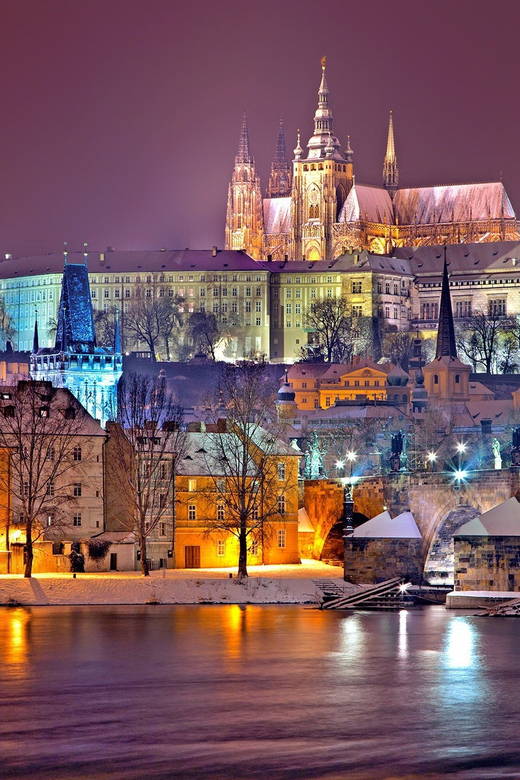
Prague can be heavy on history. This tour keeps it light enough to actually enjoy, because it’s delivered like good reporting: clear, human, and full of specific angles. You’re not just hearing dates—you’re learning how the city thinks, argues, and rebuilds itself through buildings and street life.
I also like the rhythm: a pleasant walk, a bunch of major sites, then those side passages and “how did I miss that?” spots. That mix matters. If you arrive in Prague and only chase the biggest sights, you can leave with good photos but a weak sense of the place. This route aims for the opposite.
You can also read our reviews of more guided tours in Prague
Meet Mathieu Ponnard (and why his perspective matters)
This experience is guided by Mathieu Ponnard, a French journalist and blogger who writes travel guides for well-known publishers and has lived in Prague for more than 15 years. That combination shows up in the way he explains: there’s structure, but it’s not stiff. It feels like someone giving you the version they’d tell a smart friend.
It’s also the reason you’ll get more than sightseeing commentary. The tour includes advice for the rest of your stay—especially restaurants and walks—so you’re not left staring at a map wondering what’s worth your time. In the reviews, people directly praise his passion and his ability to point out places they would have skipped on their own.
Starting point: Saint Wenceslas and the vibe of the route
You’ll begin at the Statue of Saint Wenceslas. This matters more than it sounds, because it sets the theme: this city isn’t only about medieval romance. Prague has power, debate, and political symbolism woven into its streets.
From the start, you’re primed to notice how public spaces guide behavior—where people gather, what they celebrate, and what they remember. Even if you’ve seen Prague postcards before, this kind of opening helps you start seeing the city as a living system instead of a set of monuments.
Wenceslas Square: Prague’s public stage, not just a thoroughfare
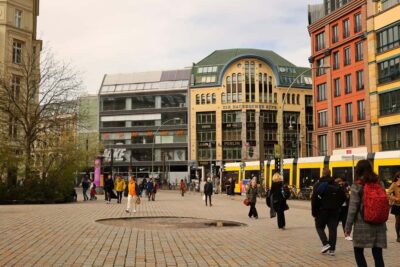
Next up is Wenceslas Square. It’s one of those places that can feel like a straight walk until someone points out how much is happening around it—visually, historically, and socially. You’ll cover it in a way that connects the architecture and layout to the bigger stories Prague has been living with.
If you’re the type who enjoys context, this stop will likely hit. The tour doesn’t treat squares as empty “checkpoints.” It treats them as stages where the city shows its identity—who it honors, how it moved through change, and what those shifts left behind.
Passageways and the Adria Palace: Prague’s quieter secrets
Then you’ll move into passageways—the kind of narrow routes and covered connectors that make Prague feel like it has layers. This is where the “off the beaten track” promise becomes real. Instead of marching only along the widest streets, you’ll get closer to the city’s small-scale character.
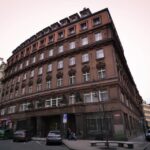
You’ll also see Adria Palace, a stop that helps you focus on architectural details rather than only grand facades. These kinds of buildings reward slow attention. The tour style encourages you to look at materials, form, and how the city blends styles instead of treating them as separate eras.
Practical tip: passageways and side routes can mean more turns and tighter sidewalks. Comfortable shoes matter more here than you might think.


Kafka’s Head and the literary-mood stops
One of the route highlights is Kafka’s Head. Whether you’re already a Kafka fan or just know the name, this is the kind of spot that turns a landmark into a story trigger. It fits well with a journalist-guide approach: compact, symbolic, and tied to Prague’s reputation as a city of ideas.
Right around that mood, you’ll continue toward the National Theatre area. This portion helps you balance “literary Prague” with “performance Prague.” It’s a nice reminder that culture in this city isn’t just something behind museum glass—it’s tied to buildings that keep functioning as public stages.
If you like learning how culture shows up in real places, you’ll enjoy this section.
Old Town Square and the Black Madonna House: famous, but explained your way
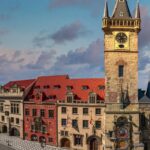
You’ll reach Old Town Square, one of Prague’s best-known public spaces. It can be crowded, and it can feel like everyone has the same photo. The value here is in how the walk treats the square as a starting point, not a finish line.
From there, you’ll see the House of the Black Madonna. This is one of those Prague addresses that works both for first-timers and returners. The building isn’t just pretty—it carries meaning, and that meaning comes alive when someone gives you the local context.
In a city like Prague, it’s easy to memorize details and forget the human part. This tour’s focus on political, economic, cultural, and social life helps you keep the story connected. You don’t only learn what a building is. You learn why people cared, and why they keep caring.
Municipal House and Powder Tower: architecture with a job to do
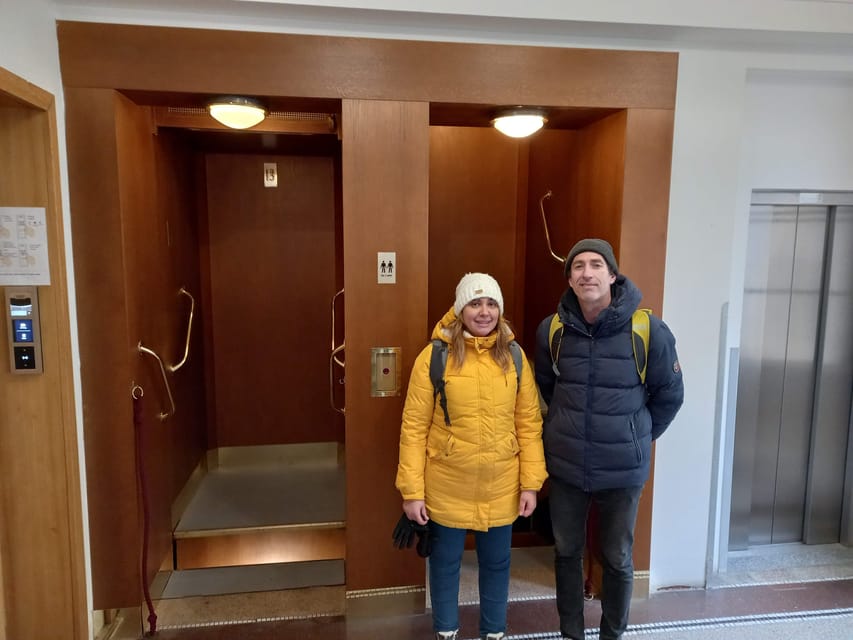
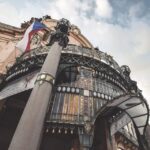
You’ll visit the Municipal House. This stop is a chance to pay attention to craftsmanship and civic identity. Even if you’re not an architecture super-fan, you can usually feel the difference between “decorative” and “purposeful.” A building like this tends to communicate how a city imagines itself.
Then you’ll head to Powder Tower. This is where the city’s layered past shows its practical side. Towers weren’t just for looks—they were part of protection, movement, and boundaries. Listening for that “why” makes the stop more satisfying than simply spotting a landmark.
A small caution: this part can involve short climbs or uneven ground depending on the exact route your guide chooses. If you’re sensitive to cobblestones, go slower and plan for that.
Your walking time: 210 minutes that actually feel efficient
The tour runs about 210 minutes (3.5 hours). That’s long enough to cover major landmarks without rushing, but short enough to keep you from turning Prague into a treadmill.
The group size stays small—up to 20 participants—and that affects your experience more than you’d expect. A large tour often means you follow the guide like a dog on a leash. Here, you can ask questions and get real answers, which is exactly what people highlight in the reviews.
The part people remember: advice for the rest of your trip
A big value point is that you don’t just get a walk. You get advice for the rest of your stay. That typically means restaurant recommendations and suggestions for walks and things to do next—so you can use the momentum you build during the tour.
This matters because Prague is easy to over-plan. If you’re new, you can fall into the “tourist menu” of activities that are technically famous but not always great. A guide who lives in Prague and works as a writer and journalist tends to give choices that feel grounded.
The reviews also repeatedly mention that Mathieu offers excellent tips, especially about restaurants. If you care about eating well and avoiding the most obvious mistakes, this is one of the strongest reasons to book.
Price and value: what $48 buys you in real terms
The tour costs $48 per person for about 3.5 hours, with a French live guide and included stay advice. At that rate, you’re paying for three things: a guided route with a set of major-plus-minor sights, access to a person who knows Prague well, and practical recommendations you can apply right away.
Is it the cheapest option? No. But the value is in reducing guesswork. Prague rewards preparation, especially if you want to go beyond the obvious. For me, $48 makes sense if you want a guided foundation and a better plan for the days after—not just a highlight reel.
If you already know the city inside out and prefer total freedom, you might feel this is unnecessary. But if you want to get your bearings fast (without turning it into a checklist), this price aligns with what you’re getting.
Who this tour is best for
This works particularly well if you:
- Want off-the-beaten-track corners while still seeing big-name sites.
- Enjoy history and architecture, but also want social and cultural context.
- Like asking questions and learning from a guide who’s lived in the city for years.
- Prefer a structured walk that leaves you with a plan afterward.
It may be less ideal if you:
- Hate walking for 3.5 hours.
- Expect food to be included (it isn’t).
- Want a fully silent, self-paced experience.
Should you book this off-the-track Prague walk?
I’d book it if you’re arriving in Prague and want a guided way to understand the city beyond the loudest attractions. The strongest reasons are the small group, the French journalist approach from Mathieu Ponnard, and the fact that you’ll leave with concrete advice for eating and exploring.
If you only want the most famous landmarks with minimal explanation, you can probably find cheaper self-guided options. But if you want Prague to make sense—through architecture, stories, and practical next steps—this is a good use of a few hours early in your trip.
FAQ
What’s the duration of the tour?
The tour lasts 210 minutes (about 3.5 hours).
What language is the guide?
The live tour guide speaks French.
Where does the tour start and end?
It starts at the Statue of Saint Wenceslas and finishes at Mikulášská 22.
How much does it cost?
It costs $48 per person.
What’s included in the price?
You get a guided walk with a French guide for 3 hours or more, plus advice for the rest of your stay (restaurants, visits, and walks).
Is hotel pickup or drop-off included?
No, hotel pickup and drop-off are not included.
Are food and drinks included?
No, food and drinks are not included.