REVIEW · PRAGUE
Prague: World War II and Communist History Tour
Book on GetYourGuide →Operated by Discover Prague Tours sro · Bookable on GetYourGuide
Prague’s 20th century hits the pavement. This World War II and Communist history 2.5-hour walking tour turns streets into a timeline, from Nazi rule and Czech resistance to the Velvet Revolution. I especially love how the story connects the Nazi occupation, the uprising, and the Communist shift without skipping the hard parts. I also like the specific places you walk past, including the Municipal House area and the link to where the Nazi security chief was assassinated. The main drawback is that the subject matter is heavy and political, so if you want light sightseeing only, this may feel intense.
The tour’s magic is the way the guide tells it. I’ve seen how guides such as Daren, Adam, Tony, and Zach keep the pace moving and make the history feel local and human, not just dates on a screen. You may even get movie suggestions to follow up afterward—one strong pairing that came up was Anthropoid and Munich.
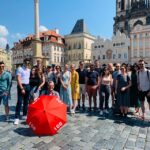
You’ll cover multiple parts of the city on foot, starting at Týnská 639/4 in Staré Město and working through areas tied to Jewish and Communist-era stories. You’ll also hit big landmarks like the Wenceslas Square zone, plus stops that help you feel how Prague’s public life changed from one regime to the next.
In This Review
- Key highlights you’ll actually care about
- From Týnská 639/4 to a city timeline under your feet
- WWII occupation and resistance: why Prague changed so fast
- Operation Anthropoid and the assassination connection in Prague
- The uprising to the Communist coup: the shift you can feel in the story
- Prague Spring to the Warsaw Pact invasion: euphoria meets reality
- Normalization and dissent: Plastic People and Charta 77
- Velvet Revolution: Václav Havel and the power of public space
- Municipal House, Jewish Quarter edges, and Dancing House contrasts
- How long it really takes (and how much walking you’ll do)
- Price and value: $34 for a guided chain of eras
- Who this tour is best for (and who should skip it)
- Should you book the Prague WWII and Communist History Tour?
- FAQ
- How long is the Prague: World War II and Communist History Tour?
- What language is the tour guide?
- Where does the tour meet?
- What is the price per person?
- Is it a walking tour?
- What major sites are included?
- Can I cancel and get a full refund?
- Is there a pay-later option?
Key highlights you’ll actually care about
- One guided storyline, many eras: Nazi occupation, resistance, Communist coup, Prague Spring, invasion, Normalization, and 1989.
- Streets tied to a famous assassination: you’ll visit the city connection to where the Nazi security chief was targeted.
- Resistance hiding spots and Prague Spring symbolism: you’ll hear about where people hid and how euphoria could turn fast.
- Dissident culture, from Plastic People to Charta 77: the tour explains what “dissent” looked like in everyday life.
- Velvet Revolution locations you can picture in real time: Václav Havel and fellow dissidents become part of the city’s geography.
- A guide-led pace that handles rain and questions: some tours keep energy high even in pouring weather.
From Týnská 639/4 to a city timeline under your feet
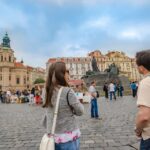
You start at Týnská 639/4 in Staré Město. That matters because the tour doesn’t treat Prague as one neat postcard. It treats it like layered evidence: you’re walking through the city’s memory, then hearing how each regime tried to reshape daily life.
Expect a brisk two-and-a-half hours. It’s not a “stop every 10 steps for photos” tour, and it’s also not a long lecture. The format works well if you like history, but it also works if you just want context fast—Prague’s 20th century can feel confusing until someone lays out the sequence clearly.
A practical note: I’d plan for rain. One guide handled pouring rain without the mood collapsing, and that’s usually the sign of a tour with confident storytelling and good timing. Bring a light rain layer and wear shoes you don’t mind getting wet.
You can also read our reviews of more historical tours in Prague
WWII occupation and resistance: why Prague changed so fast
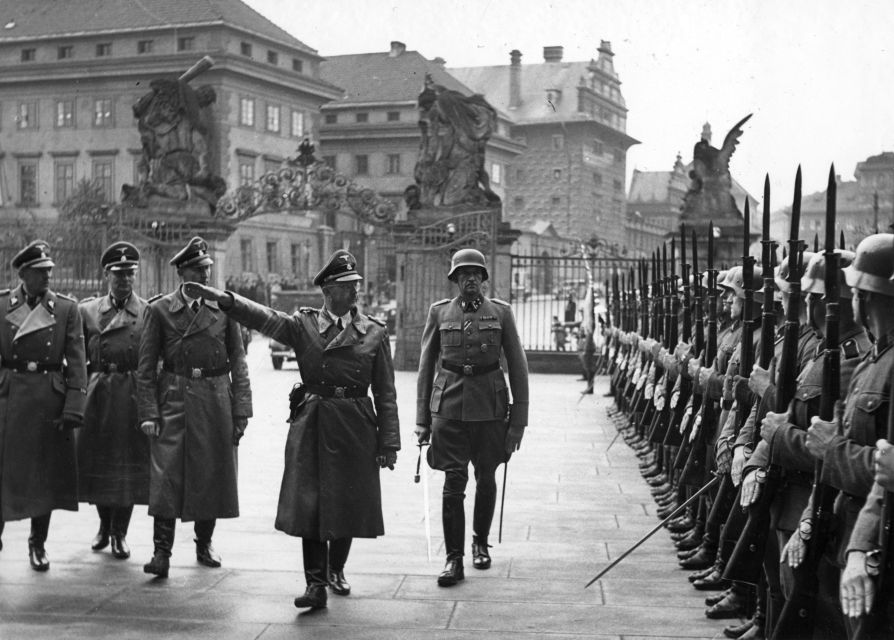
The tour’s first act focuses on how Nazi occupation transformed a state that had been moving forward industrially and socially—until it turned into a nightmare of control. You’ll learn what changed in daily routines and what the occupation meant for ordinary people, not only for leaders.
Then the narrative pivots into resistance. This is where the tour feels most like a true walk through a thriller: local perspectives, human choices, and the sense that people were constantly weighing risk. You also get the sense that Prague wasn’t just “occupied.” It was a place where people pushed back, even when outcomes weren’t guaranteed.
If you’re the type who likes your history with stakes, you’ll appreciate how the guide frames resistance as both courageous and costly. And if you’re worried it will be sanitised, relax: this tour doesn’t treat these years like a clean museum exhibit.
Operation Anthropoid and the assassination connection in Prague
One of the tour’s headline moments is the connection to the assassination of the Nazi security chief. You’ll hear the setup, the intent, and then what followed. The point isn’t just that an assassination happened—it’s the chain reaction it triggered and how the Nazis responded with retribution.
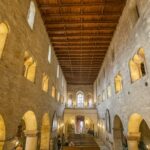
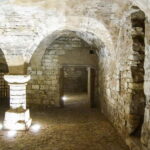
In this section, you may also visit places tied to Czech resistance support networks. One memorable element that comes up is the Cyril Church and its crypt, described as a hiding place for resistance soldiers. Even if you’re not a “war-history” person, those details help your brain connect events to real walls and real rooms.
There’s also often time for a museum connection tied to this period. One participant specifically noted an entry into a museum during the tour, which is a smart complement to walking: you get context on the spot, then the guide brings it back to the streets.
The uprising to the Communist coup: the shift you can feel in the story
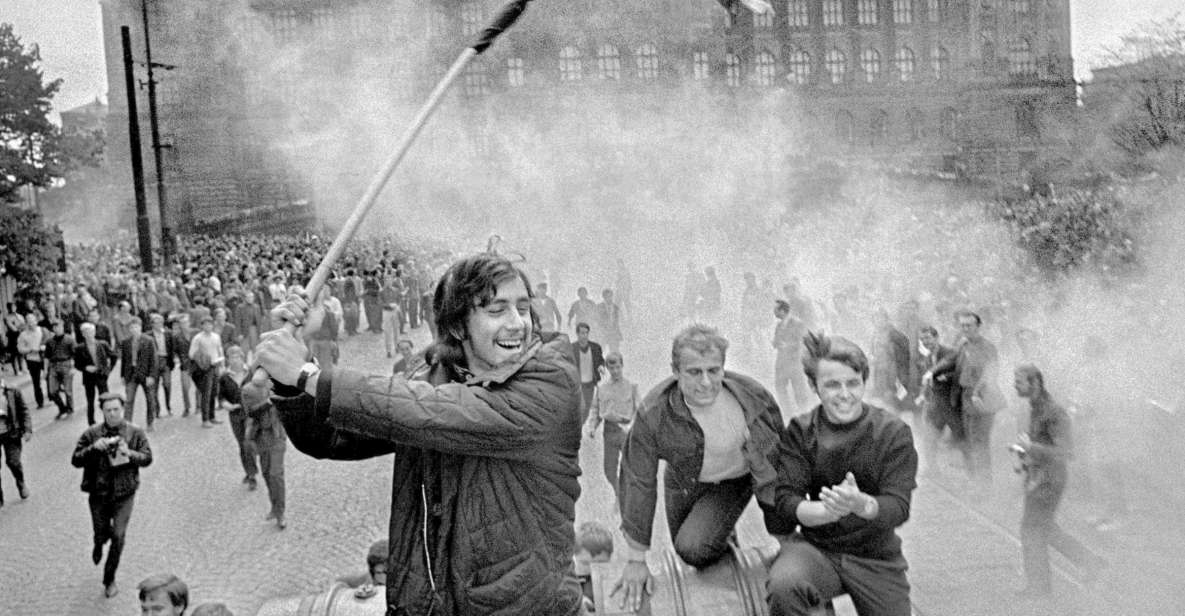
After WWII, the narrative doesn’t jump to “then the Communists arrived.” It explains the turbulent transition—Czech uprising, fallout, and the political turn that reshaped power. This part can be sobering, because it shows how quickly hope and public life can be controlled again.
What I like about this section is the honesty about complexity. You hear how regimes took advantage of the moment, how institutions shifted, and how ordinary lives were pulled into systems that were not designed for freedom. The guide also gives you enough context to understand why people ended up in very different corners of the same city.
This is also where you might notice a difference between “seeing a landmark” and “understanding a city.” Some stops have little visible today to explain the era that happened there. That makes the guide’s storytelling the real engine of the tour.
Prague Spring to the Warsaw Pact invasion: euphoria meets reality
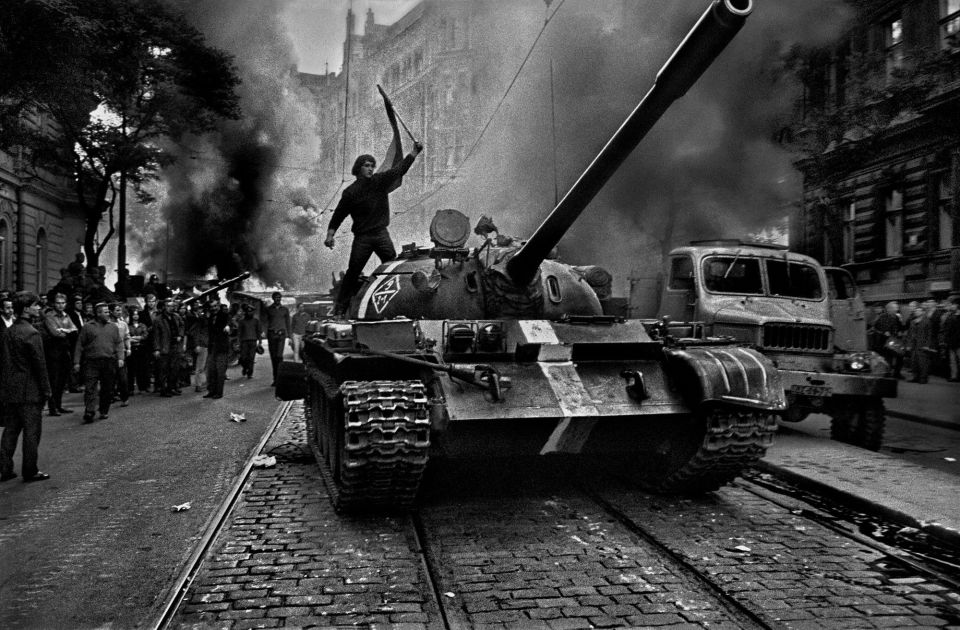
Then comes Prague Spring. You’ll hear how it felt—what people hoped for, and why it was so emotionally charged. The tour treats the moment like something you could almost stand inside, not just a political slogan.
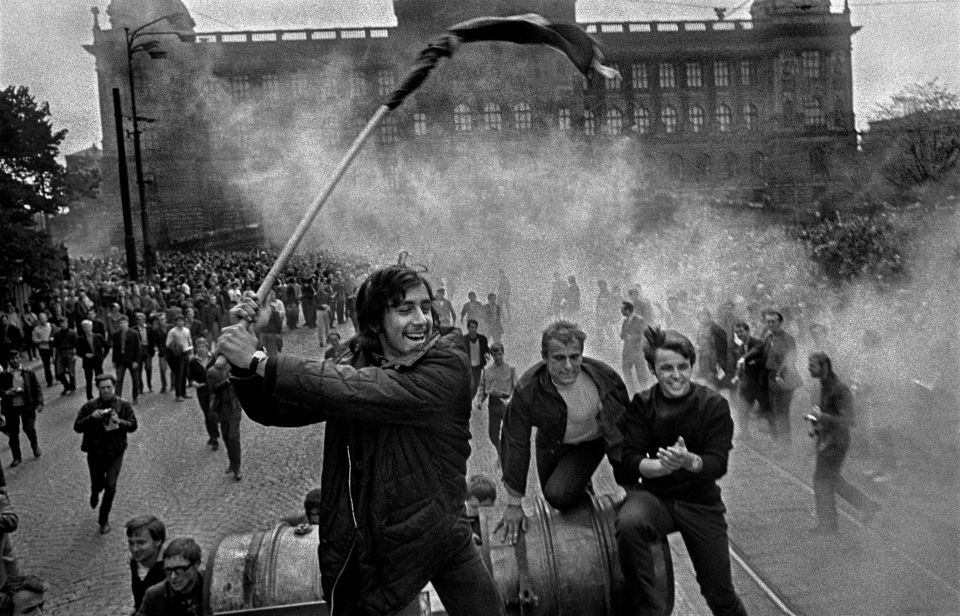
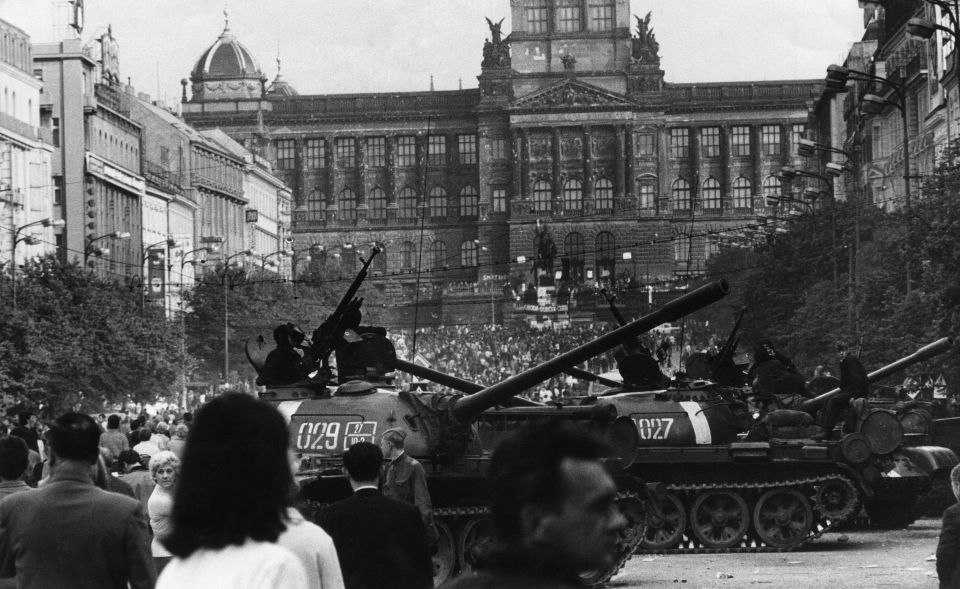
And then comes the brutal contrast: the Warsaw Pact invasion and the way the mood changed. This section is powerful because it explains the psychological impact. It’s not only about strategy and tanks; it’s about what it meant when reform was crushed.
If you’ve ever felt that history books make everything seem inevitable, this tour fights that. It reminds you that people believed things could improve—until they couldn’t.

Normalization and dissent: Plastic People and Charta 77
Now the tour moves into Normalization, when the Communist system tightened and dissent became dangerous. You’ll hear about persecution of the Plastic People of the Universe, and you’ll also learn about Charta 77—how dissident voices tried to keep a moral and civic record when the state demanded silence.
This is the section that often separates a “facts only” tour from a tour that actually teaches. Instead of just listing organizations, the guide links them to the lived experience: what it cost to speak up, how culture could become political, and how the state tried to manage what people thought was acceptable.
It’s heavy material, but it’s also strangely motivating. You come away with a clearer sense of how small acts—art, writing, meetings—could become real threats when power feels insecure.
Velvet Revolution: Václav Havel and the power of public space
In 1989, the tone shifts. You’ll hear how Václav Havel and dissidents—an eclectic mix of people with shared urgency—were swept to power by the Velvet Revolution. The tour explains how protest energy turned into political change, and how quickly the city’s emotional weather altered.
Here is where key public spaces matter. You’ll visit major stops tied to those events, including the Municipal House area and the Wenceslas Square zone. These are not random sightseeing stops. The tour frames them as stages where people gathered, spoke, and demanded a different future.
One of the best parts of this ending stretch is that the city’s architecture helps you read the story. You start to see Prague as a place that reflects its own arguments in stone and civic buildings.
Municipal House, Jewish Quarter edges, and Dancing House contrasts
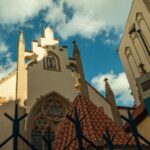
The tour includes areas tied to Prague’s Jewish Quarter and major civic landmarks. You’ll get a guided path through the Old Town area and nearby districts, and at times the route skirts around the busiest crowds while still keeping you close to the meaningful sites.
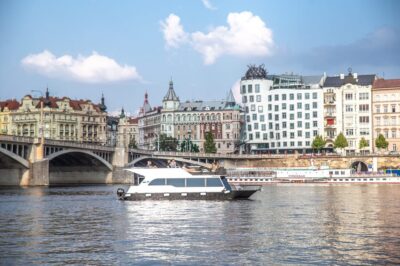
You’ll also visit the Dancing House. This is a great contrast stop after all the 20th-century weight. It reminds you Prague isn’t trapped in the past. Even when the narrative is painful, you still see a city that kept building—and kept redefining itself.
In the Jewish Quarter area, the value is in context. Without a guide, you can wander and admire. With the guide, you understand how different eras layered onto the neighborhood—how occupation and political control reached into the everyday fabric of the city.
How long it really takes (and how much walking you’ll do)
The duration is 150 minutes, and it moves at a story-forward walking pace. Some stops feel like short breaks in a continuous narrative, while others are more “pause and listen” moments.
You might be offered public transport support—one participant mentioned getting a tram ticket to save time from walking. If that happens on your date, it helps keep the group moving so you spend more time understanding than marching.
The main physical consideration: you’ll be outside for most of the tour. Plan for weather, wear shoes you can handle on uneven old-street paving, and bring water if you tend to run hot.
Price and value: $34 for a guided chain of eras
At $34 per person for a 2.5-hour live English walking tour, the value comes from how much the guide connects. You’re not paying just for a few famous photo spots. You’re paying for someone to stitch together WWII occupation, resistance, Communist takeover, Prague Spring, invasion, Normalization, dissident life, and 1989 into one understandable walk.
It’s also a good buy because the guides’ delivery seems to matter a lot here. People consistently describe the guides as passionate, engaging, and good at answering questions. When a tour runs on story skill, it’s worth more than a checklist.
Some participants even felt it was priced lower than other history-focused options they looked at. I can’t promise every comparison, but at this price point, it’s easy to justify if you care about context.
Who this tour is best for (and who should skip it)
This tour fits you if you want:
- A clear timeline of Prague’s 20th-century political shifts
- History told through streets and specific locations
- A guide who explains the why, not just the what
Skip it—or consider it carefully—if you prefer light, scenery-first sightseeing. The topics are dark and political. Even when the guide is entertaining, the material can still feel heavy.
Also consider your preference for visible landmarks. Some stops have fewer physical signs of what happened there, so the tour relies on narration. If you only want sites with big, obvious remains, you may wish there were more visible “proof points” at every turn.
Should you book the Prague WWII and Communist History Tour?
I’d book it if you want Prague to make sense in one smart, guided chunk. The tour’s strength is its storyline: it connects the Nazi occupation and resistance to the Communist era without pretending the transition was simple. You’ll also get a set of key stops—Municipal House, Jewish Quarter areas, Dancing House, and Wenceslas Square—that anchor the narrative in real city space.
If you’re a history fan, it’s a standout way to use limited time. If you’re not a history fan, the guide’s storytelling approach is still likely to make the walk click fast. Just go in knowing it’s serious material, and dress for the outdoors.
FAQ
How long is the Prague: World War II and Communist History Tour?
The tour lasts 150 minutes (2.5 hours).
What language is the tour guide?
The tour is conducted in English.
Where does the tour meet?
The meeting point is Týnská 639/4, Staré Město, 110 00 Praha-Praha 1, Czechia.
What is the price per person?
The price is $34 per person.
Is it a walking tour?
Yes. It’s a 2.5-hour walking tour.
What major sites are included?
The tour includes important locations tied to these periods, including the Municipal House, Jewish Quarter, Dancing House, and Wenceslas Square.
Can I cancel and get a full refund?
Yes. Free cancellation is available up to 24 hours in advance for a full refund.
Is there a pay-later option?
Yes. The tour offers a Reserve now & pay later option, so you can book your spot without paying today.