REVIEW · PRAGUE
Prague: Tickets for the Franz Kafka Museum
Book on GetYourGuide →Operated by Discover Prague Tours sro · Bookable on GetYourGuide
Kafka’s Prague feels close.
This ticket to the Franz Kafka Museum sets you up with a short briefing outside, then hands you the space to explore at your own pace. What I like most is the chance to see Kafka materials as real objects—letters, diaries, manuscripts, photographs, and drawings—with the 1883–1924 period clearly framed.
I also like how the museum uses 3D installations, audiovisual pieces, and a specially created soundtrack. The audio and visuals do more than decorate the rooms; they help translate a literary life into something you can feel while you’re moving through the exhibits.
One consideration: the museum is small and can feel crowded, so you may not get the slow, calm look you want. Also, some display elements—especially photos—can feel light on explanation about how they connect to Kafka.
In This Review
- Key Highlights Worth Your Time
- Franz Kafka Museum Tickets: What You’re Really Buying
- Meeting the Guide Under a Yellow Umbrella
- Inside the Museum: Letters, Manuscripts, and First Editions
- How the Museum Uses 3D Installations and Audio to Tell the Story
- Getting the Pace Right in a Small, Popular Museum
- Value for $28: When This Ticket Makes Sense
- Who This Experience Suits Best
- Should You Book This Kafka Museum Ticket?
- FAQ
- How long does the Franz Kafka Museum ticket last?
- What is included with the ticket?
- Is there a guide inside the museum?
- Where do I meet the guide?
- What language is the guided introduction offered in?
- What can I see at the museum?
- How much does it cost?
- What’s the cancellation policy?
- Are there different starting times?
- Can I reserve now and pay later?
Key Highlights Worth Your Time
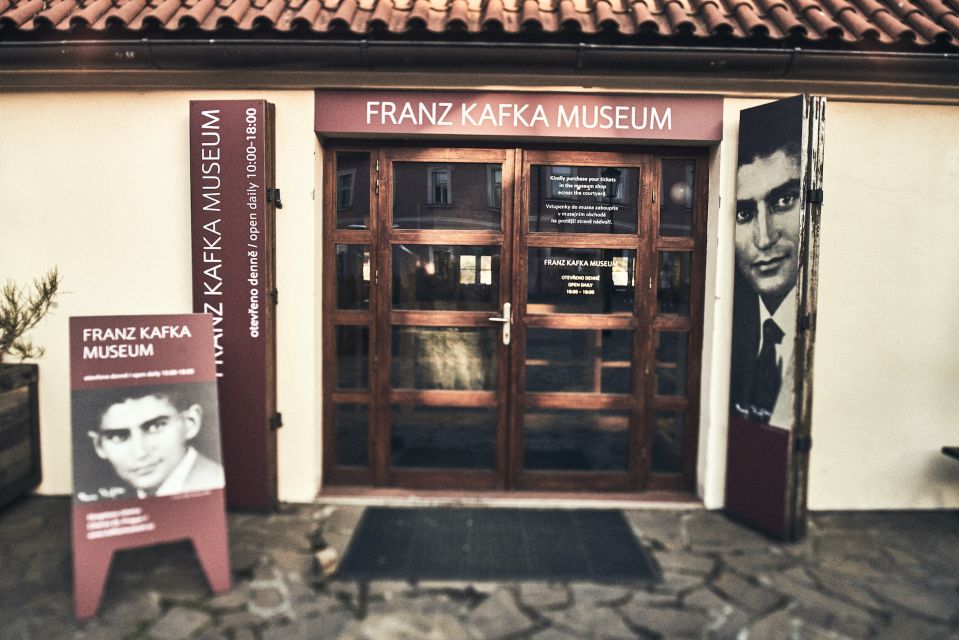
- 20-minute guided introduction outside the museum sets context before you go in
- Entrance ticket included so you can skip the hassle and focus on the exhibits
- Kafka’s original materials: letters, diaries, manuscripts, photographs, and drawings
- First editions of Kafka’s works help you see the writing in a concrete way
- 3D + audiovisual + soundtrack adds atmosphere beyond text on walls
Franz Kafka Museum Tickets: What You’re Really Buying
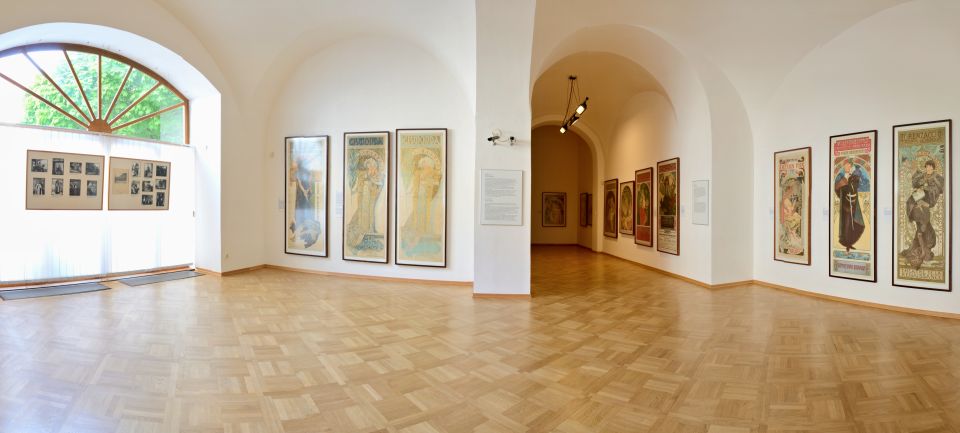
For $28 per person, you’re paying for two things: entry and a 20-minute guided introduction outside the museum. That’s a smart combo if you want a quick orientation up front, then freedom to move through exhibits on your own schedule.
The museum is focused, not sprawling. That can be good news—Kafka fans tend to like tight, curated storytelling—but it’s also why crowding can affect your experience. If you need space to linger, go in expecting you’ll have to work around other visitors.
This is also not a full guided tour. After the outdoor briefing, there is no guide inside the museum, so you’ll get the interpretation at the start and then rely on the exhibit labels and your own curiosity. That can be perfectly fine for independent travelers, but if you want deep commentary on every object, plan to ask questions during the briefing and bring your own reading stamina for the rest.
You can also read our reviews of more tours and experiences in Prague


Meeting the Guide Under a Yellow Umbrella
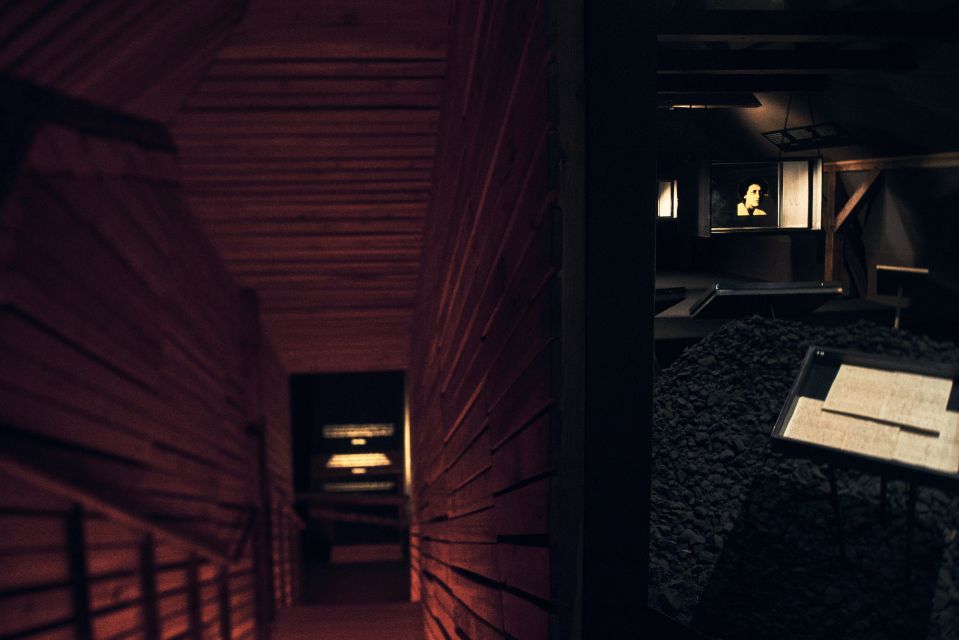
Your day starts with a simple meet-up: look for your guide holding a yellow umbrella. You’ll meet at the museum area, get your tickets, and get a briefing designed to help you see more once you’re inside.
That upfront mini-session matters more than it sounds. Kafka’s story isn’t just one straight line of famous works—it’s a life lived in Prague, framed in the museum from 1883 to 1924. Getting that context early helps you interpret the items you’ll see later, like manuscripts and early publications, instead of treating everything like separate artifacts.
Once you’re set, the format shifts. You’ll leave the guide and explore the museum at your own pace. That’s ideal for travelers who don’t want to keep up with a group timeline and prefer to pause where something grabs them.
Inside the Museum: Letters, Manuscripts, and First Editions
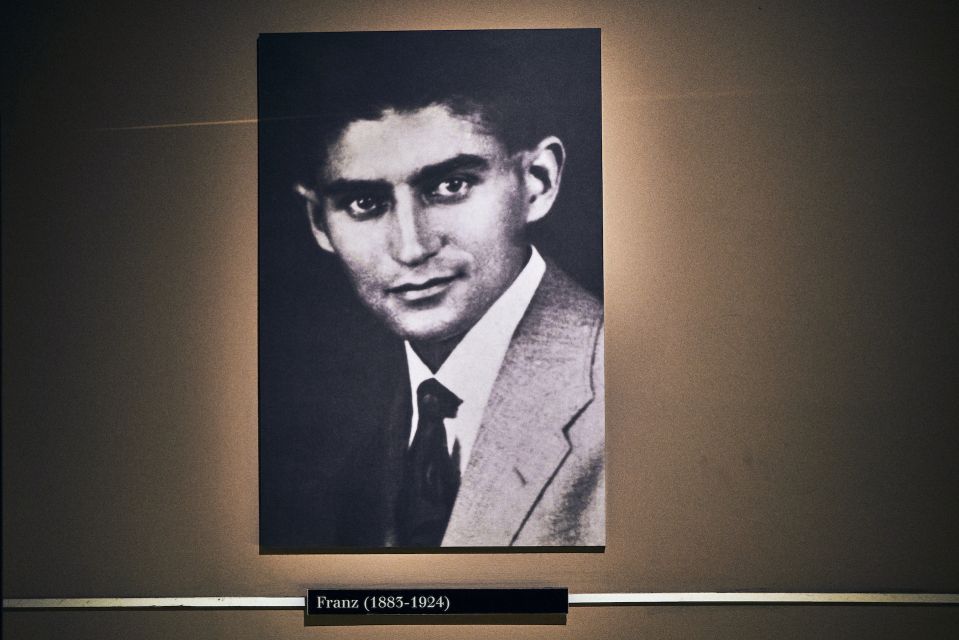
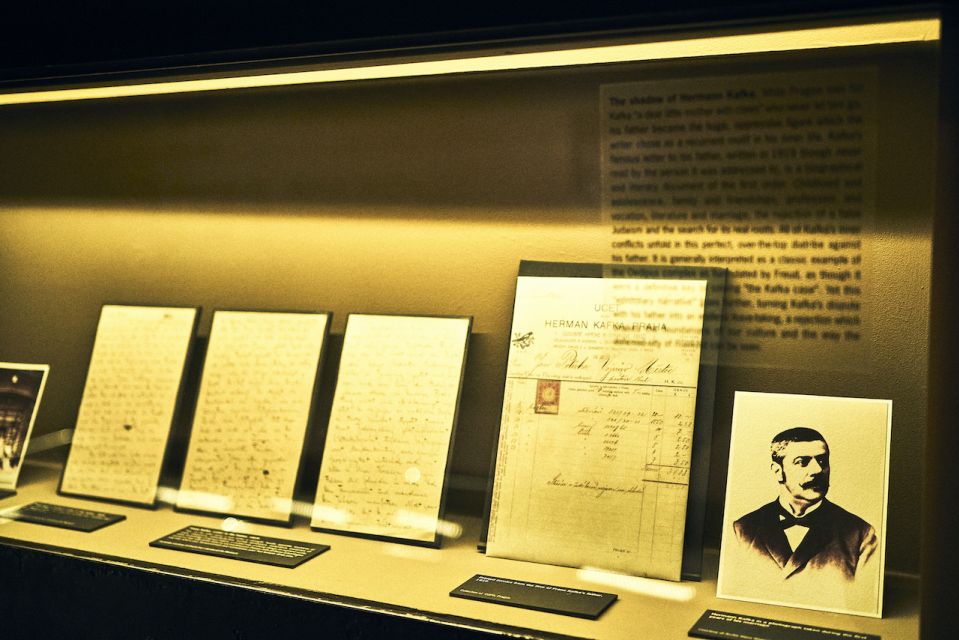
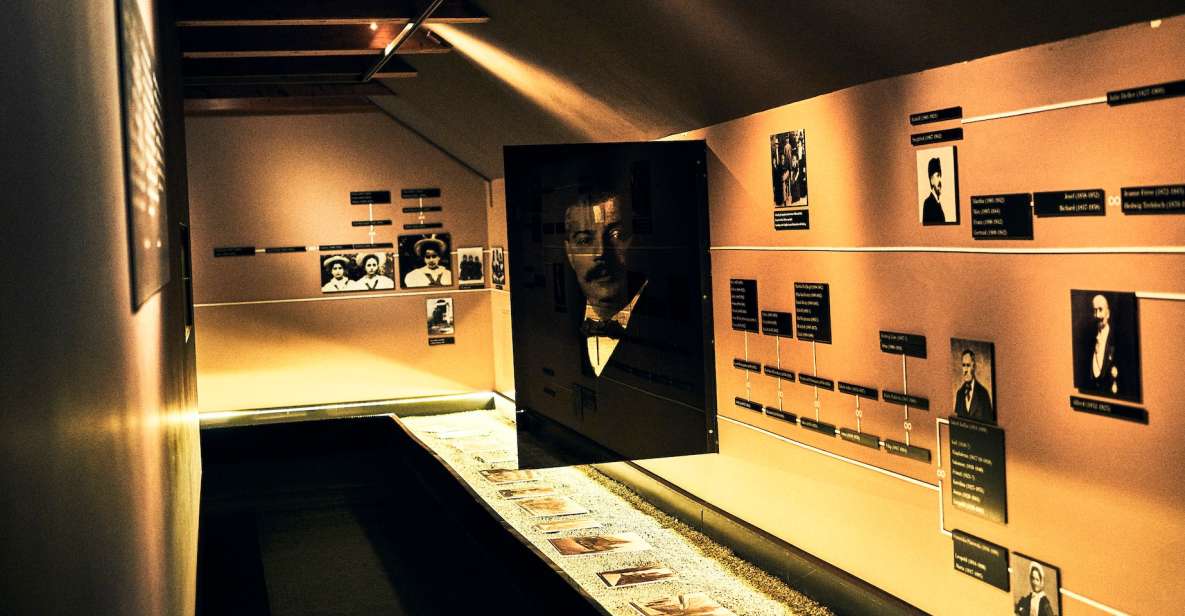
The main pull here is direct access to Kafka as a working writer—through paper, ink, and recorded moments. You’re not just reading summaries. You’re seeing materials like Kafka’s letters, diaries, manuscripts, photographs, and drawings plus first editions of his works.
Why that matters: letters and diaries often show the thinking behind the writing—how an idea forms, how it changes, and how Kafka communicated with others. Manuscripts help you see the draft reality of literature, not just the final printed version. For a lot of people, that difference turns Kafka from a name into a human process.
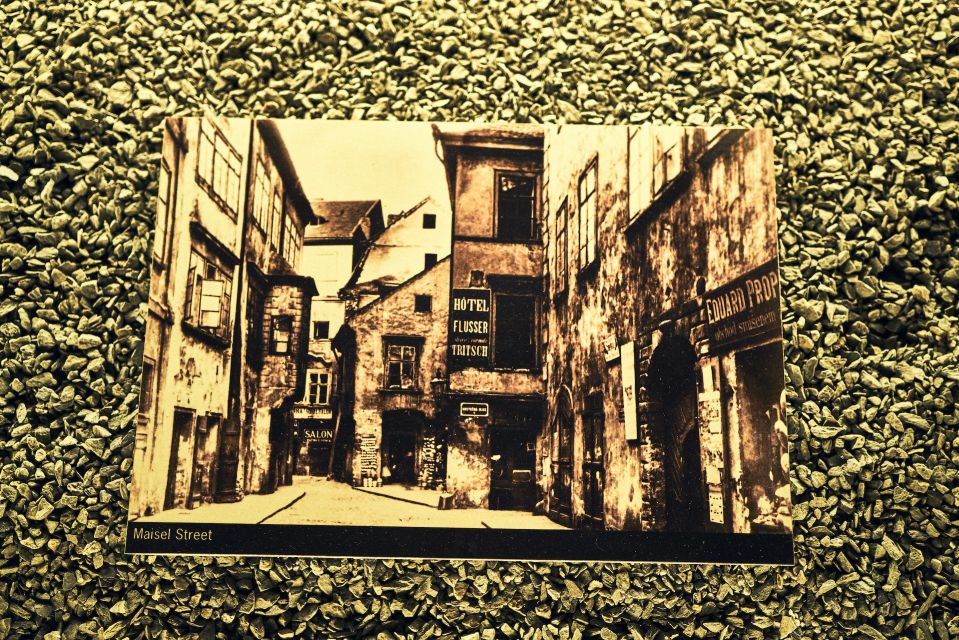
Photos and drawings can add another layer. Even when they’re not perfectly explained, they still create an emotional atmosphere—visual traces of a person tied to Prague. If you’re the type who wants every label to connect every photo to a specific aspect of Kafka’s life, you might feel a little frustrated in spots. Some displays may feel more suggestive than fully linked.
One practical tip: since the museum is small, you’ll likely move from room to room quickly at first. Give yourself permission to slow down in the areas that match your interests. If you’re drawn to writing, spend extra time with the manuscripts and first editions. If you’re drawn to personality and context, focus on letters and diaries.
How the Museum Uses 3D Installations and Audio to Tell the Story
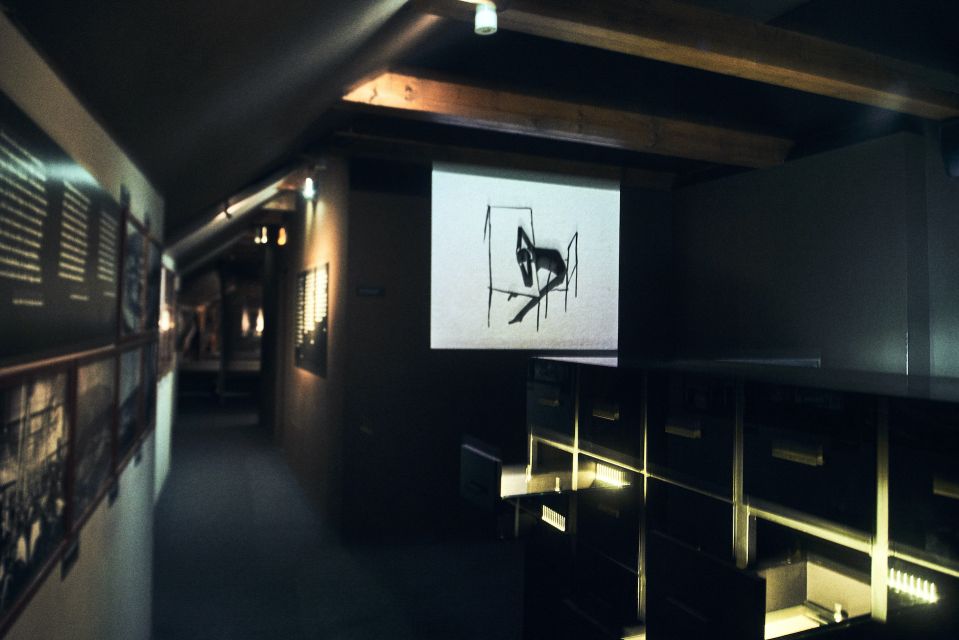
A standout part of this ticket is the museum’s use of 3D installations, audiovisual pieces, and a soundtrack specially created for the exhibition. This isn’t just tech for tech’s sake. It’s meant to shape how you experience Kafka’s world while you walk through it.
When a museum adds audio and 3D, it changes the pacing. You stop reading for a moment and start listening. You look with your body, not only your eyes. It can make the exhibit feel more like a journey through themes instead of a list of documents.
If you’re someone who tends to skim label text, the audio components can actually be a big help. They give the museum a mood, which often makes it easier to remember what you saw earlier—especially when you’re moving through a lot of written materials in a short space.
The only downside is simple: if you’re sensitive to audio volume or you prefer fully quiet museums, you might want to take a break between rooms. Since there’s no guide inside, you won’t have anyone directing you to the best spots to step away.
Getting the Pace Right in a Small, Popular Museum
The Franz Kafka Museum’s biggest practical variable is visitor flow. Because it’s described as small and it can run crowded, you may feel rushed if you show up when lots of people are there.
Here’s how to handle that without ruining the experience:
- Plan for short bursts. Spend longer with the pieces that matter most to you, and treat the rest as a fast scan.
- Take breaks during audio-heavy parts. If you find the crowd noise piling up, shift your attention to the installations or step back before moving deeper into the rooms.
- Ask your guide smart questions during the outdoor briefing. If there’s a topic you care about—letters vs. manuscripts, or how the exhibits connect—you’ll get more value out of the labels later.
And if you hate feeling crowded, aim to go with realistic expectations. This is not the kind of museum where you need hours to enjoy everything. You’ll get more out of it by staying flexible and focusing on your top interests.
You can also read our reviews of more museum experiences in Prague




Value for $28: When This Ticket Makes Sense
At $28, the value is strongest if you want a guided start and then a self-paced visit that you can shape to your interests. You’re not paying for a full tour inside the museum, so the ticket works best when you’re comfortable reading exhibit text and using your own curiosity.
It also makes sense if you’re a literature-focused traveler. Seeing first editions and original writing materials is usually hard to replace with anything else in Prague. A typical city sightseeing day can be broad and shallow; this ticket narrows the lens and gives you a chance to think about Kafka’s life through the objects themselves.
If you’re on a shoestring budget, consider what $28 buys you in your personal travel style. For some people, it’s a perfect focused add-on. For others, especially if you’re the type who needs a live guide explaining every display, the lack of a guide inside might make you feel like you’re doing more work than expected.
Who This Experience Suits Best
This ticket is a great fit for:
- Franz Kafka fans who want to see manuscripts, letters, diaries, and first editions in one place
- Independently minded travelers who like a short orientation and then free movement
- People who enjoy museum storytelling using audio and 3D, not just wall text
It may be less satisfying if:
- You need a guide to interpret every exhibit inside the museum (since a guide is only included for the outdoor introduction)
- You strongly dislike crowds and want a long, quiet wander through small spaces
- You expect every photo or visual element to come with detailed linkage to Kafka’s life and themes (some displays can feel more open-ended)
Should You Book This Kafka Museum Ticket?
Book it if you want a focused Prague stop where Kafka’s writing life is handled like a real archive—with original documents, first editions, and a multimedia layer. The 20-minute guided introduction is the right kind of add-on: it helps you orient yourself without slowing your pace later.
Skip it or pair it with extra help if you know you’ll get annoyed by crowds or if you’re the kind of visitor who expects a full in-room guide for every item. For most people, though, the ticket is a solid value: you’re paying for entry plus context, and then you’re free to move at a pace that suits you.
If you’re planning only one Kafka-focused activity in Prague, this is the clean, concentrated choice.
FAQ
How long does the Franz Kafka Museum ticket last?
The activity is valid for 1 day, so you can use it within that day based on the available starting times.
What is included with the ticket?
You get entrance to the museum and a 20-minute guided introduction outside the museum.
Is there a guide inside the museum?
No. The guide provides the introduction outside, but a guide inside the museum is not included.
Where do I meet the guide?
Look for your guide holding a yellow umbrella.
What language is the guided introduction offered in?
The host or greeter provides English.
What can I see at the museum?
The museum displays items such as letters, diaries, manuscripts, photographs, and drawings, along with first editions. It also includes 3D installations, audiovisual pieces, and a soundtrack created for the exhibition.
How much does it cost?
The price is listed as $28 per person.
What’s the cancellation policy?
Free cancellation is available up to 24 hours in advance for a full refund.
Are there different starting times?
Yes. You should check availability to see starting times.
Can I reserve now and pay later?
Yes. The option is listed as reserve now & pay later, with pay nothing today.