REVIEW · PRAGUE
IAM Illusion Art Museum Entry Ticket
Book on GetYourGuide →Operated by Illusion Art Museum Prague · Bookable on GetYourGuide
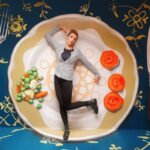
Your eyes will keep second-guessing. In central Prague, optical illusions and AR turn a quick museum stop into a hands-on puzzle you can photograph.
I particularly love the interactive QR-code effects that help you transform flat images into 3D-looking scenes. I also like the art lineup, which ranges from classic illusion methods to Czech names you can connect to real people and places.
One possible drawback: the museum is small, and photo moments can get crowded, so timing and patience help if you want clear shots.
In This Review
- IAM Illusion Art Museum Prague: Key things you’ll notice
- First steps inside: tickets, your phone, and fast success
- What you’re really paying for
- Illusions by design: anamorphoses and reverse perspective
- Optical reliefs and distorted 3D: Czech techniques you can see
- Why this section matters
- Lenticular and stereoscopic: when your eyes disagree
- Your turn: QR codes, augmented reality, mini cinema, and light painting
- Czech stories hidden in the illusions: history you can actually remember
- A small tip for history lovers
- Audio guide and languages: what to do if you don’t read Czech
- Price, pacing, and crowd reality in central Prague
- What’s not included
- Who should go, and who should skip
- Should you book IAM Illusion Art Museum Prague?
- FAQ
- How long does a visit to IAM Illusion Art Museum Prague take?
- Is an audio guide included, and what languages are available?
- What should I bring for the interactive exhibits?
- Are pets allowed in the museum?
- Is the museum wheelchair accessible?
- Is food or drinks included with the ticket?
IAM Illusion Art Museum Prague: Key things you’ll notice
- AR and QR-code interactions that work best with your phone camera ready
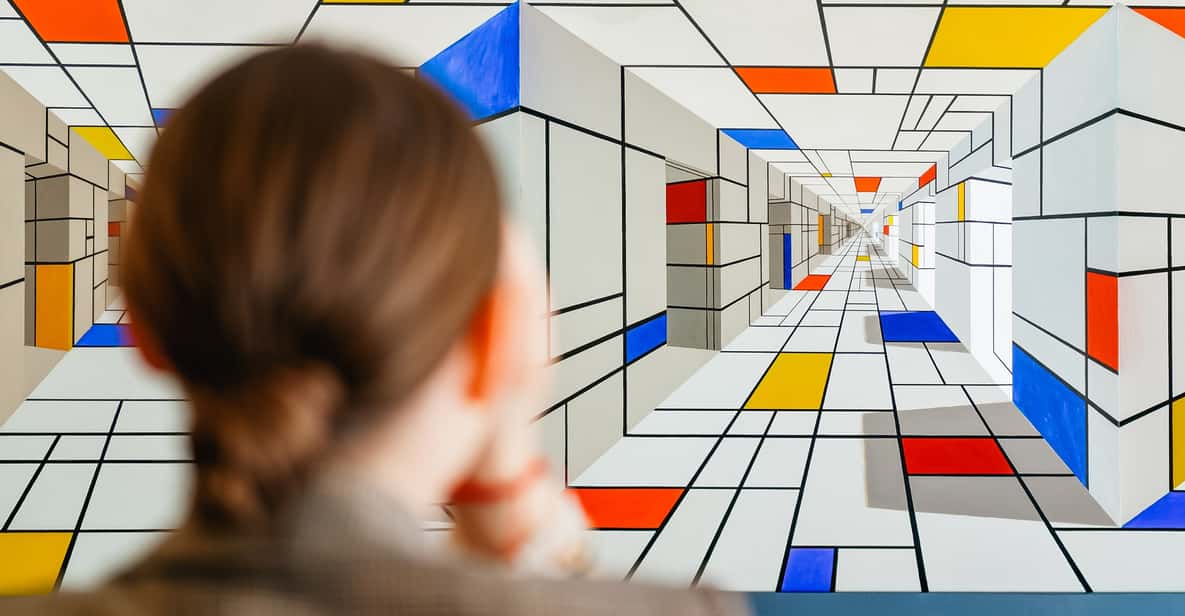
- Reverse perspective art by Patrick Hughes, a core illusion style
- Czech artists and techniques, from 3D anamorphoses to optical reliefs and metallurgical work
- Staff photo help (people call out help from Adam and Tomasz)
- A short, focused visit that fits easily between Prague sights
- No food included and not wheelchair friendly, so plan your rest stops
First steps inside: tickets, your phone, and fast success
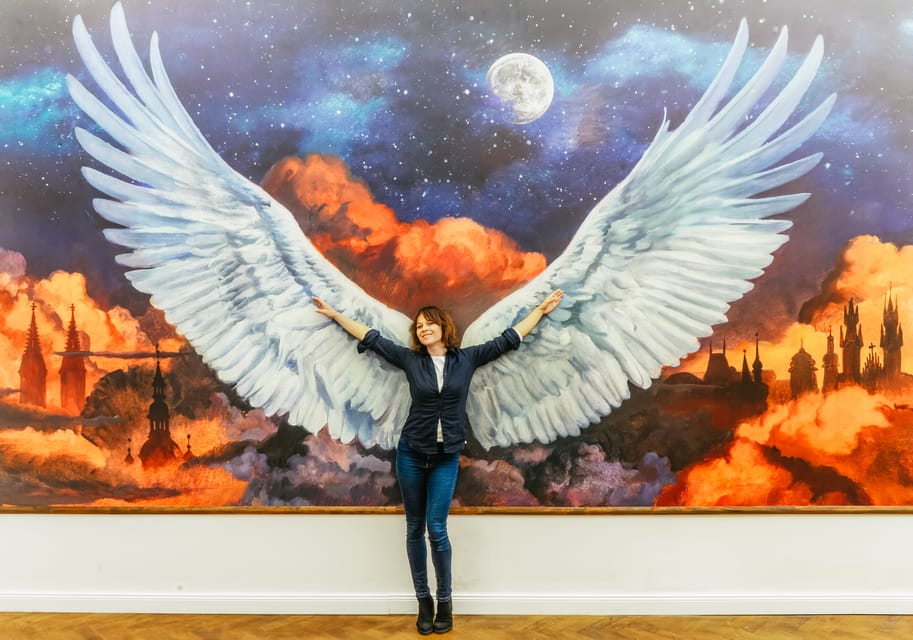
This is one of those museums where the magic starts right away. You buy your admission ticket and then you’re guided into a flow of illusion rooms designed for hands-on play. Plan for about 60–90 minutes for a full circuit at a comfortable pace, depending on how often you stop for photos and re-try the interactive parts.
Before you even start, I’d do two simple prep moves:
- Charge your smartphone fully (the interactive pieces rely on your camera and phone use).
- Bring a camera if you prefer one, but your phone is the key for the visual tricks.
If you’re the type who worries about doing it wrong, don’t. The staff are used to helping people get the angles and the QR-code steps right, and multiple visitors specifically mention staff stepping in to show them how to set up photos. People even name-check Adam and Tomasz for helping get great shots.
You can also read our reviews of more tours and experiences in Prague

What you’re really paying for
Yes, the ticket price is about $16 per person. But the value is in the experience design: this isn’t just watching illusion art behind glass. You’re allowed to interact, take photos, and use your phone to trigger effects. That makes it a strong option when you want something memorable without committing to a half-day guided tour.
Illusions by design: anamorphoses and reverse perspective
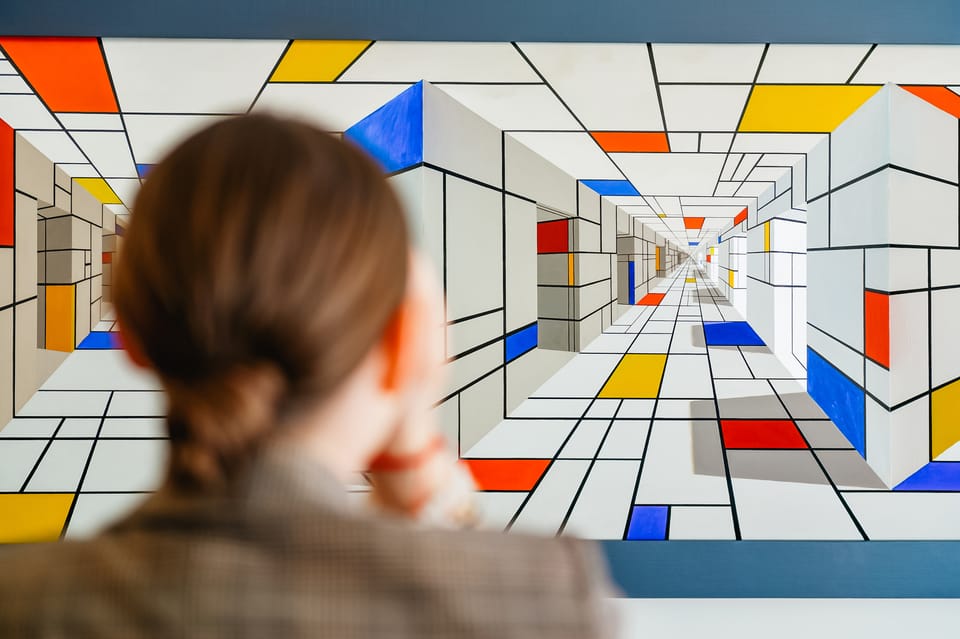
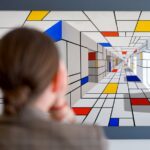
The first big illusion style you’ll see is classic anamorphosis—images that only look right when viewed from the correct spot. In practice, that means you’ll walk, stop, adjust your angle, and suddenly the image clicks. It’s great for photos because the payoff is visual and immediate.
A standout in the lineup is Patrick Hughes, especially his reverse perspective works. Reverse perspective is the kind of illusion that messes with scale and distance. When it works, it feels like the artwork is pushing toward you or pulling backward into space. It’s one reason people leave with a stronger sense of wonder than a typical indoor exhibition.
What you’ll enjoy here:
- The feeling that the museum is guiding your eye, not just your feet.
- How quickly you can figure out the “correct viewing spot,” then repeat the shot from slightly different angles.
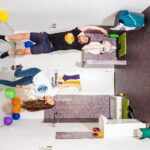
A small note for your photo plan: the museum gets busy at peak times, and reverse perspective setups often attract people for the same photo angles. If you care about clean shots, arrive with a bit of flexibility and don’t expect to have the best spot for long.
Optical reliefs and distorted 3D: Czech techniques you can see
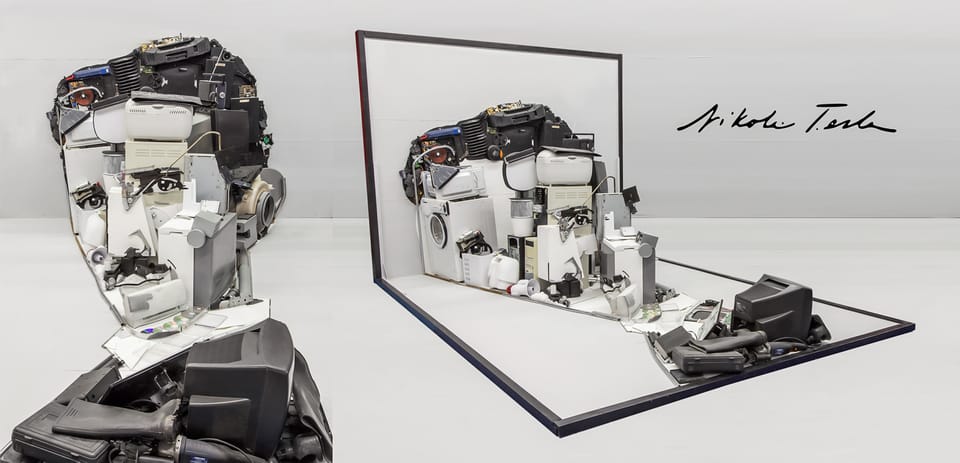
After the big-name illusion styles, the experience leans into Czech creativity—optical reliefs, distorted 3D paintings, and art you can read as both surface and structure. This is where you start noticing that illusion art isn’t one trick. It’s a toolbox.
You’ll encounter artists and methods like:
- Ivana Štenclová’s optical reliefs, where depth and pattern shift as you look from different angles.
- Distorted 3D works by Zdeněk Daňek and Jan Jírovec, which rely on how your brain interprets shapes on a flat surface.
- Patrik Proško’s anamorphic 3D creations, which bring structure into the picture in a way that feels physical even when it’s created through illusion techniques.
- Ladislav Vlna’s metallurgical paintings, which add another layer: materials and surface effects that make the visual deception feel sharper and more deliberate.
Why this section matters
This is the part that turns your fun photos into actual learning. The museum’s illusion language shows you how artists use perspective, texture, and perspective tricks to produce depth without the depth being “real.”
If you enjoy when art explains itself quietly through experience, you’ll like this. You’ll end up asking questions like: Why does this look 3D from one angle but not another? How does the artwork steer your attention?
You can also read our reviews of more museum experiences in Prague
Lenticular and stereoscopic: when your eyes disagree
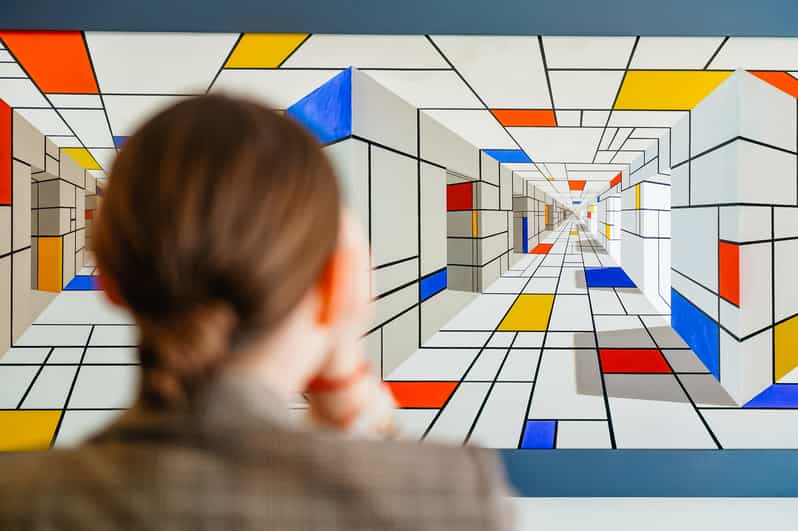
Next comes an eye-bending zone built around changing images. Lenticular images create motion or depth changes depending on viewing position, while stereoscopic photos rely on how your brain blends two offset perspectives into a single 3D-like view.
In the museum’s mix, look out for:
- David Strauzz’s morphing lenticular images, where the picture seems to shift as you move.
- Stereoscopic photos of adventurers Zikmund and Hanzelka, which add a story-like angle to the visual trick.
This is a fun area if you like “try it again” challenges. You’ll naturally experiment—move left, move right, pause, and look again. And because it’s photograph-friendly, you’ll probably take multiple attempts until you get the look that matches what you see in real life.
One practical thought: don’t get stuck for too long. It’s easy to spend 20 minutes perfecting a single shot if the room is crowded. If you’re traveling with someone who moves faster, you can split the workload—one person experiments while the other gets the next angle.
Your turn: QR codes, augmented reality, mini cinema, and light painting
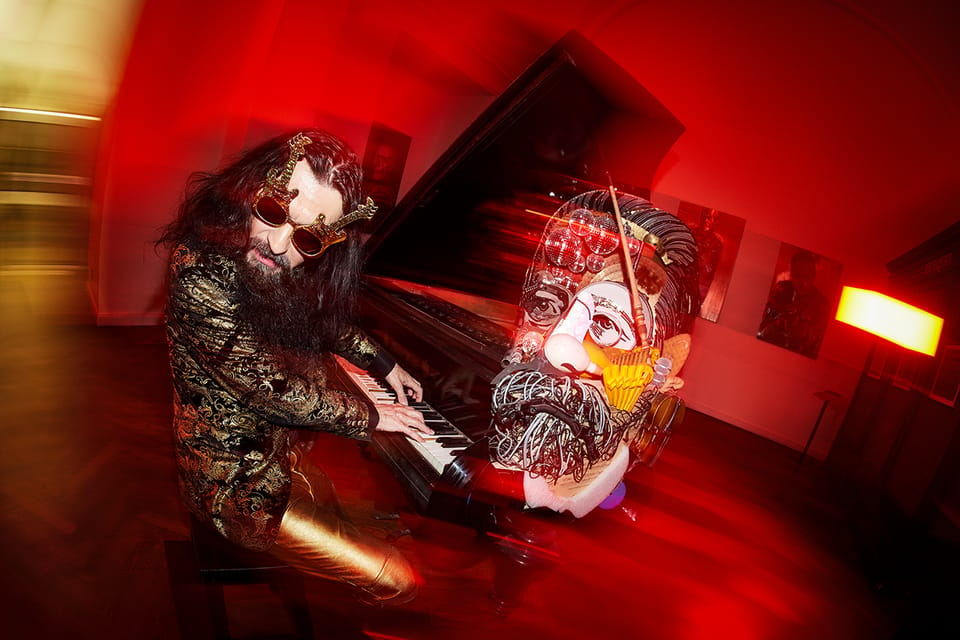
This museum doesn’t treat visitors like passive observers. Many rooms are built around “you do the thing.” That’s why your smartphone matters so much.
You’ll encounter interactions described like:
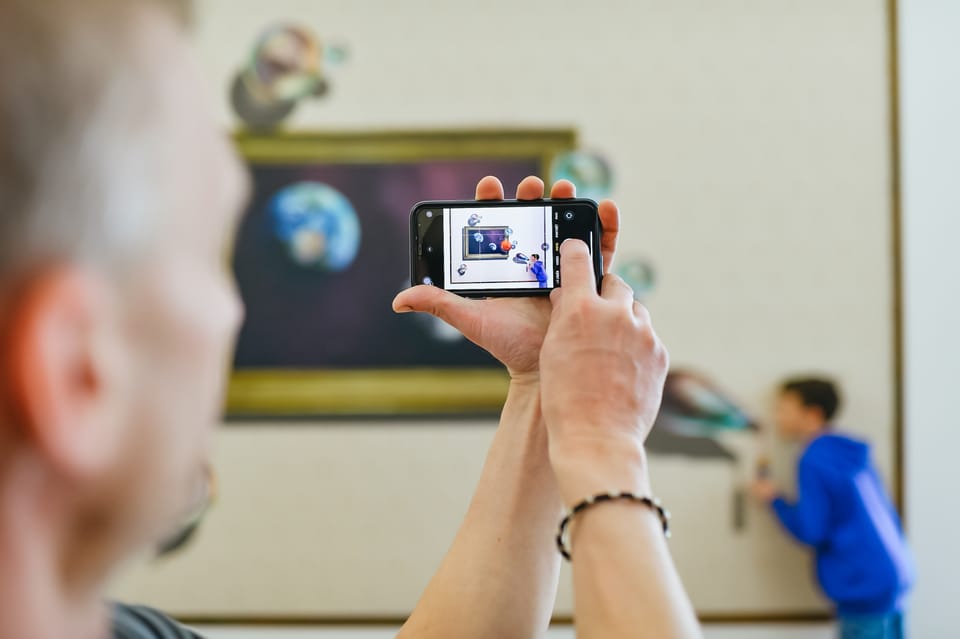
- Turning 2D images into 3D spaces using the museum’s tech (QR codes and app features).
- Trying augmented reality experiences with the museum’s app.
- Accessing a mini cinema element included in the experience flow.
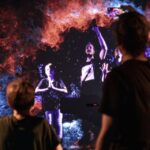
- Experimenting with light painting, which is exactly what it sounds like: you control the look by how you use light and timing.
The reviews you’ll read about this kind of museum often focus on photos, and here that’s fair. Interactive steps help you stage shots quickly, and staff are on hand to interpret what to scan and how to position yourself for the best effect.
If your phone app isn’t working (some visitors mention phone compatibility issues), you may still enjoy much of the illusion art. But you’ll likely lose access to some AR-specific moments. So yes: test your camera and the phone experience early, before you’re deep into the circuit.
Czech stories hidden in the illusions: history you can actually remember
What makes IAM Illusion Art Museum Prague more than a photo stop is the storytelling thread. The museum pairs illusion techniques with Czech history and famous figures—so the “Why does this look like that?” question turns into “How did this relate to real people?”
You can see illusory portrayals connected to events and names such as:
- The Swedish siege of Prague
- The fall of the Bohemian monarchy
- St. Agnes of Bohemia
- Bedřich Smetana
- Nikola Tesla
- Figures tied to Charles IV, Franz Kafka, and Václav Havel
Even if you don’t know these stories already, the illusion format helps you remember them. You’re not reading a textbook. You’re reacting to a visual impression, then connecting it to a historical label that sticks because it’s attached to something memorable.
A small tip for history lovers
If you want the most meaning, slow down for the areas tied to these figures. Take one photo, then stand back and read. The museum’s education component is designed to work with the illusion effect, not compete with it.
Audio guide and languages: what to do if you don’t read Czech
Good news if you’re multilingual or language-strapped: the museum includes an audio guide with many options. It’s listed in:
Czech, English, Croatian, French, Chinese, German, Italian, Polish, Portuguese, Russian, Spanish, Ukrainian, Vietnamese
That range is a practical win in Prague, where visitors often arrive from everywhere. It means you can focus on what you’re seeing without worrying you’ll miss the meaning because you can’t read a label.
A helpful approach: pick one audio language and stick with it so you don’t constantly switch your attention mid-room.
Price, pacing, and crowd reality in central Prague
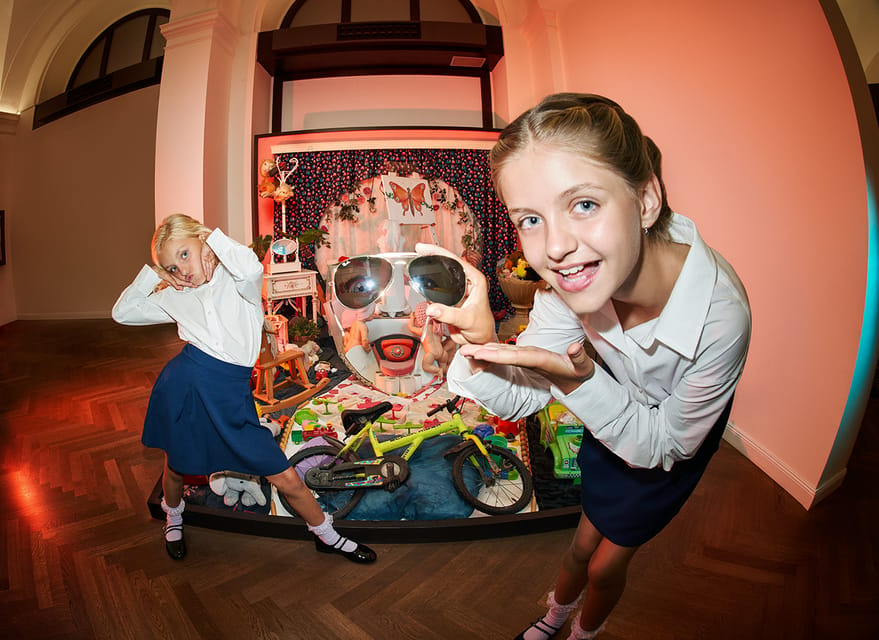
This is where strategy helps. At $16 per person, it’s priced like a focused attraction, not a big multi-hour museum. And that matches how it feels: you’ll likely complete the main circuit quickly, then return to your favorite rooms for a second shot.
The crowd factor is real. Multiple visitors note that it can get busy during photo moments, and the museum is small enough that you’ll occasionally feel in the way of other people setting up angles. That doesn’t ruin the experience, but it can affect your patience.
Here’s how I’d handle it:
- Go earlier or later in the day if you can.
- If it’s packed, prioritize the interactive pieces first. People tend to line up around the phone-based effects.
- Accept that some rooms will be photo-traffic-heavy. Your best shots often happen when you pause, wait 1–2 minutes, and then move.
What’s not included
Food and drinks are not part of the ticket. Plan a café stop before or after. Also, there’s no mention of a long seating break inside the museum, so treat it as a short activity in a busy sightseeing day.
Who should go, and who should skip
This museum is a great fit for:
- Couples who like shared humor and playful photo challenges
- Families with kids old enough to enjoy “look again” moments
- Anyone who loves optical illusions, perspective tricks, and AR-based art
- Travelers who want a short, high-impact stop in central Prague
It may be less ideal if:
- You need wheelchair accessibility, since it’s listed as not suitable for wheelchair users
- You hate crowds and standing in line for photo angles (it can get busy)
- You expect a huge museum with lots of space to spread out
Also, pets aren’t allowed (assistance dogs are allowed), so plan accordingly.
Should you book IAM Illusion Art Museum Prague?
If you want an activity that feels different from the usual Prague lineup, I think this is an easy yes. You’re not only viewing illusion art—you’re part of it. The mix of interactive QR/AR elements, well-known illusion artists like Patrick Hughes, and Czech-linked history makes it more satisfying than a simple “photo wall” museum.
Book it if:
- You want a 60–90 minute break that still feels special
- You’re excited to take photos and try the phone-based effects
- You like art that teaches without sounding like a lecture
Skip it if:
- You need a lot of physical space or wheelchair-friendly access
- You dislike crowded photo setups so much that even a small crowd will frustrate you
- You want a full-day museum commitment (this is designed as a short, punchy stop)
FAQ
How long does a visit to IAM Illusion Art Museum Prague take?
The experience is typically about 60–90 minutes, with enough time to move through the exhibits and try multiple interactive photo spots.
Is an audio guide included, and what languages are available?
Yes. The audio guide is included and available in Czech, English, Croatian, French, Chinese, German, Italian, Polish, Portuguese, Russian, Spanish, Ukrainian, and Vietnamese.
What should I bring for the interactive exhibits?
Bring a camera and a charged smartphone, since the museum’s interactions work with phone use.
Are pets allowed in the museum?
Pets are not allowed. Assistance dogs are allowed.
Is the museum wheelchair accessible?
No, it is not suitable for wheelchair users.
Is food or drinks included with the ticket?
No. Food and drinks are not included.